


- Written By Team DWS
- Jaipur City
- January 03, 2026
Unraveling Isarlat Sargasuli: Jaipur's Victory Tower from 1749 and Its Royal Secrets
Introduction
Rising majestically above Jaipur's bustling Tripolia Bazaar stands a monument that whispers tales of royal triumph, political intrigue, and architectural brilliance: the Isarlat Sargasuli Tower. Known locally as the "Passage to Heaven" for its 140-foot ascent, this seven-story minaret has stood as a silent sentinel of Jaipur's history since 1749. Built by Maharaja Sawai Ishwari Singh to commemorate his military victory, Isarlat represents far more than brick and sandstone—it embodies the turbulent politics of 18th-century Rajasthan, the ambitions of a young king, and the timeless beauty of Rajput-Mughal architectural fusion.
For history enthusiasts, heritage travelers, and culture seekers, Isarlat Sargasuli offers a gateway into Jaipur's golden age. This comprehensive guide unravels the tower's secrets, from the dramatic Battle of Rajmahal that inspired its construction to the tragic legend of its builder's demise.
 copy-dwsjewellery639030569910011936.jpg "Isarlat Sargasuli Jaipur")
The Royal Succession Crisis: Background to Isarlat's Birth
To understand why Isarlat Sargasuli was built, we must first understand the political storm that engulfed Jaipur following the death of its legendary founder, Maharaja Sawai Jai Singh II, in 1743.
Sawai Jai Singh II, the visionary architect of Jaipur itself, left behind a complex succession. He had multiple sons from different wives, and tensions were inevitable. According to the Debari Agreement (a controversial treaty), his younger son, Sawai Madho Singh, was meant to inherit the throne. However, Sawai Jai Singh's eldest son, Ishwari Singh (born February 1722), challenged this arrangement and claimed the crown instead.
This succession dispute triggered a full-blown civil war within Jaipur's royal house. For six years, the two half-brothers battled for supremacy, drawing in powerful allies from across Rajasthan and beyond. The Marathas, the Mewaris, the rulers of Kota and Bundi, and even Afghan forces became embroiled in the conflict. What began as a dynastic quarrel evolved into a regional power struggle with far-reaching implications.
The Battle of Rajmahal: The Victory That Built a Monument
The turning point came on March 1, 1747, on the banks of the Banas River near Rajmahal (also called Tonk). This was where Ishwari Singh's destiny changed forever. Leading his forces against the combined armies of Madho Singh, the Marathas, and the Rajput kingdoms, Ishwari Singh achieved what seemed impossible—a decisive military victory.
The credit for this triumph belonged largely to his brilliant commander, Hargobind Nattani, a skilled military strategist of the merchant caste who earned great respect through his tactical genius. Nattani's superior battle formations and strategic maneuvers broke the enemy's lines, securing Ishwari Singh's claim to the throne and establishing him as Jaipur's rightful ruler.
To commemorate this momentous victory and cement his authority, Ishwari Singh made a decision that would echo through centuries: he commissioned the construction of Isarlat Sargasuli in 1749, just two years after his triumph. The tower was designed by the renowned local architect Ganesh Khowale and built in the bustling commercial heart of the city, near the Tripolia Gate—a location that ensured its visibility and symbolic importance.
Architectural Splendor: A Fusion of Empires
Isarlat Sargasuli stands as a masterpiece of architectural synthesis, blending the best of Rajput and Mughal design traditions. The tower rises 140 feet and comprises seven octagonal stories, each progressively narrower as it ascends toward the heavens.
Key Architectural Features
- Octagonal Design: The eight-sided structure was inspired by legendary monuments like the Qutub Minar in Delhi and the Kirti Stambha in Chittaurgarh. This geometric design provides both aesthetic beauty and structural stability.
- Spiral Staircase: The internal spiral staircase is a marvel of construction, engineered to ensure adequate light and ventilation throughout the tower. Each floor opens onto a small balcony, allowing visitors to pause and enjoy views at different elevations.
- Decorative Cross-Work: The dividers feature intricate cross-section work that not only enhances visual appeal but also serves the practical purpose of allowing air and light to permeate the structure, keeping it cool and dry.
- Material and Color: Constructed from yellow sandstone, the tower presents a striking contrast against Jaipur's iconic pink buildings and markets. This distinction made it visible from considerable distances, enhancing its symbolic presence.
- Watch Tower Function: Beyond its commemorative purpose, Isarlat also served as a watchtower for the royal family, positioned strategically to oversee the city and the palace complex.
The Tower's Mysterious Legends: Fact, Fiction, and Fascination
Over the centuries, Isarlat Sargasuli has become shrouded in local legends that blur the line between history and mythology. These stories, passed down through generations, offer fascinating insights into how Jaipur's citizens understood their monuments.
The Legend of the Beautiful Daughter
One popular legend claims that Ishwari Singh built Isarlat not merely as a victory tower, but as a way to observe the beautiful daughter of his commander-in-chief, Hargobind Nattani. According to this narrative, the young king was enamored by this girl, but marriage was impossible due to caste differences—Nattani belonged to the merchant community, not the royal lineage.
This romantic tale was immortalized by Suryamall Mishra, the 18th-century Rajasthani poet-historian of Bundi, who mentioned in his work "Vansh Bhaskar" (written in Pingal language) that "King Ishwari Singh built Sargasuli to see the beautiful daughter of his commander Hargobind Nattani."
However, most modern historians dismiss this account as legend influenced by Mishra's political bias—after all, Bundi had been defeated by Jaipur and Mishra may have sought to diminish Ishwari Singh's accomplishments.
The Watchtower Theory
A more credible account suggests that Isarlat served practical surveillance purposes. Positioned above the bustling bazaars, its elevated platform allowed royal sentries to monitor market activity, security threats, and movement within the densely populated old city. This dual purpose—commemoration and surveillance—was common in 18th-century Rajput architecture.
The Tragic End of Ishwari Singh: Royal Glory to Personal Demise
The story of Ishwari Singh, however, has a deeply tragic conclusion that adds emotional weight to Isarlat's legacy and transforms the tower from a symbol of victory into a monument tinged with melancholy.
Despite his military victory in 1747, Ishwari Singh could not resolve his financial obligations. He had promised the Maratha commander Malhar Rao Holkar a payment of 20 lakh rupees for military support during the Battle of Bagru (1748), but lacked the funds to pay. This unpaid debt haunted his reign.
In 1750, Malhar Rao Holkar, incensed by the broken promise, led a massive Maratha army toward Jaipur with the intent to exact payment by force. Facing this overwhelming threat and unable to assemble an adequate defense force, the 32-year-old Ishwari Singh found himself in an impossible situation. His trusted commander Hargobind Nattani, when asked to raise reinforcements, famously replied, "One lakh Kachwahas are in my pocket!"—a boast he couldn't back when the Marathas actually arrived. When challenged again, Nattani replied, "My pocket has torn!"
Faced with imminent military defeat and potential humiliation, Ishwari Singh chose to end his life rather than surrender to the Marathas. Different accounts suggest different methods—some claim he jumped from Isarlat itself, while others mention poison or cobra bites. Regardless of the method, his death marked the end of an era and allowed his half-brother Madho Singh to assume the throne.
Notably, Ishwari Singh remains the only Kachwahas Rajput ruler known to have taken his own life in the face of defeat—a distinction that underscores the extraordinary pressures he faced.
Visiting Isarlat Sargasuli: A Modern Traveler's Guide
Today, Isarlat Sargasuli welcomes visitors seeking to connect with Jaipur's heritage and enjoy stunning panoramic views of the old city.
Location: Near Tripolia Gate, between Tripolia Bazaar and Aatish Market, Old Jaipur
Opening Hours: 9:30 AM to 4:00 PM (Daily)
Entry Fee:
- Indians: ₹50–₹70 per person
- Foreign nationals: ₹200–₹500 per person
Best Time to Visit: October to March offers pleasant weather. The climb is more comfortable during these months, and visibility for city views is optimal.
What to Expect: The tower features a challenging but rewarding spiral climb through narrow staircases with small balconies on each tier offering progressively wider views. At the top, visitors experience a 360-degree panorama showcasing Jaipur's pink rooftops, temple spires, and the distant silhouettes of Nahargarh and Jaigarh forts. The breeze and atmosphere at the top provide a serene escape from the bustling bazaar below.
Nearby Attractions:
- City Palace (walking distance)
- Jantar Mantar observatory
- Govind Dev Ji Temple
- Hawa Mahal corridor
 copy-dwsjewellery639030576433372816.jpg "Silver Jewelry Factory in Jaipur")
Conclusion: A Monument That Transcends Time
Isarlat Sargasuli is far more than a historical curiosity or an architectural oddity nestled in Jaipur's old city. It represents a transformative moment in Rajasthan's history—a moment when ambition, military prowess, and architectural vision converged to create something enduring. Built to celebrate victory, it ultimately became a monument to both triumph and tragedy, embodying the complex, often turbulent nature of 18th-century royal politics.
For anyone visiting Jaipur, this tower offers a unique opportunity to climb through history itself, to stand where Ishwari Singh once stood, and to contemplate the sweeping vistas that have remained largely unchanged for nearly three centuries. Whether you're drawn by historical curiosity, architectural appreciation, or the simple desire for an elevated view of the pink city, Isarlat Sargasuli rewards every visitor with a profound sense of connection to Jaipur's glorious past.
Popular on Blogs
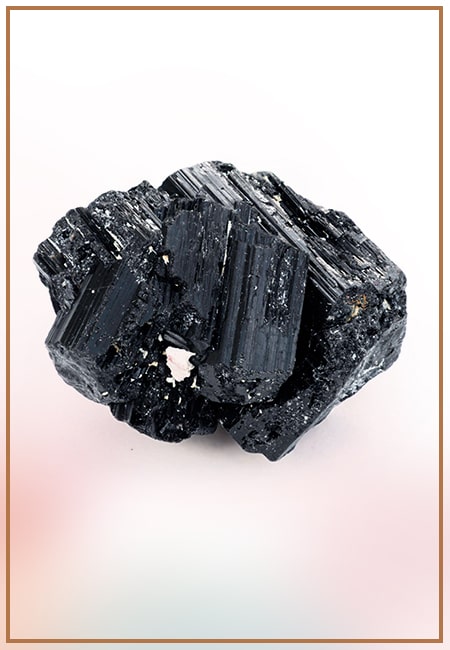
Black Tourmaline: Meaning, Healing Properties, Fascinating Facts, Powerful Attributes, Versatile Uses, and Beyond
September 05, 2023 / BY Team DWS
Black Tourmaline, also known as Schorl, is a highly revered crystal with incredible metaphysical properties. It derives its name from the Dutch word "turamali," meaning "stone with ..
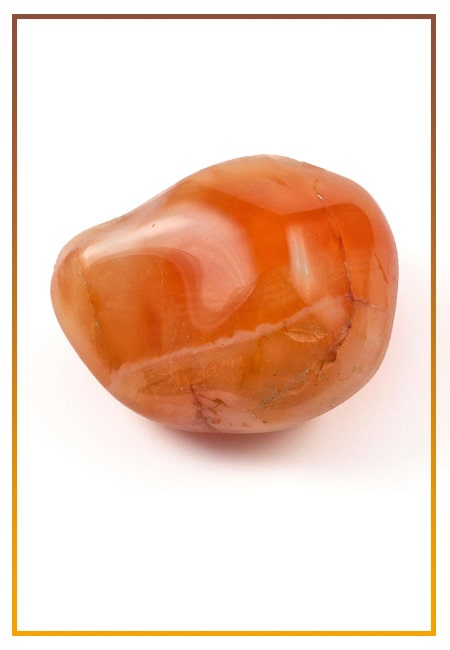
Carnelian Stone: Meaning, Healing Properties, Power, Facts, Color, Uses and More
December 26, 2023 / BY Team DWS
Carnelian is a vibrant and captivating gemstone that holds a plethora of meanings, healing properties, and powers. Its warm and fiery energy makes it a popular choice among crystal ..
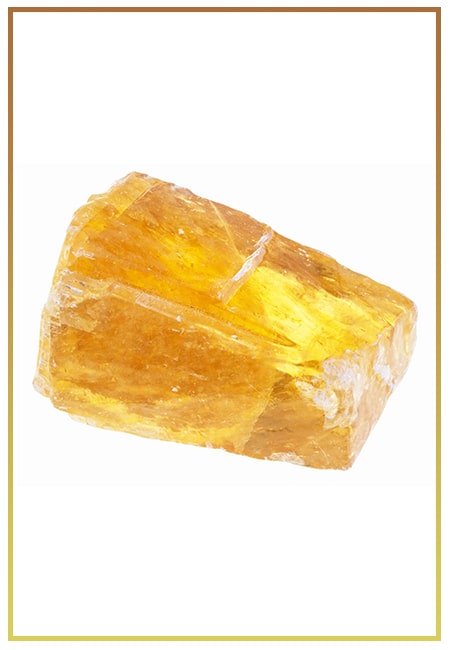
Citrine: Exploring its Meaning, Healing Properties, Fascinating Facts, Powers, Versatile Uses, and Much More
November 18, 2023 / BY Team DWS
Citrine, with its warm golden hues, has captured the attention and imagination of people for centuries. This beautiful gemstone, commonly associated with wealth and prosperity, hol ..

Black Onyx: Unveiling the Meaning, Healing Properties, Fascinating Facts, Powerful Attributes, Versatile Uses, and Beyond
July 25, 2023 / BY Team DWS
Black Onyx, a striking gemstone admired for its deep black hue and elegant appearance, has captivated people for centuries. In this comprehensive guide, we will delve into the mean ..

The History Behind The Popularity of Red Agate
December 23, 2022 / BY Team DWS
An Agate is a type of magma rock that takes many years till it is washed out naturally into the water. And that is the reason this stone has elements of water. This beautiful stone ..

Unveiling the Mysteries of Turquoise Stone: Exploring its Meaning, Healing Properties, Power, Facts, Color, Uses, and More
December 05, 2023 / BY Team DWS
Turquoise, with its captivating blue-green hue, has been adorning jewelry and artifacts for centuries. This striking stone has a rich history, rich symbolism, and a plethora of int ..

Plan a Perfect Valentine's Week with Our Valentine Week List 2026
January 22, 2024 / BY Team DWS
Valentine's Day is undoubtedly the most romantic day of the year, but we believe that one day is just not enough to express your love and make your partner feel special. That's why ..

Taurus Traits: Unveiling the Strengths and Weaknesses of the Bull
January 21, 2025 / BY Team DWS
When considering astrology, the Taurus zodiac sign, represented by the Bull, is characterized by its resilience, practicality, and unwavering resolve. People born between April 20 ..