


- Written By Team DWS
- Gemstones
- March 24, 2026
Complete Guide to Chalcedony Gemstone Varieties
What Is Chalcedony?
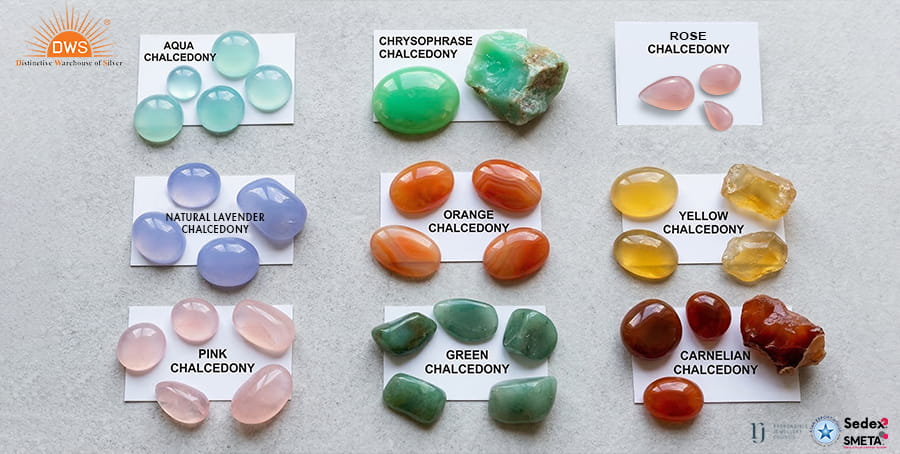
Chalcedony is a type of microcrystalline quartz that is formed from numerous microscopically small interconnected silicon crystals. While it is part of the larger group of Quartz, it is also very different from clear quartz such as Amethyst and Citrine due to its solid versus large, transparent nature (such as forms of clear quartz). Chalcedony usually forms compact groups, nodules and layers of solid mass and not large, clear crystalline structures.
Thus, because of this unique structure, Chalcedony can also appear from translucent to opaque; and can also exhibit a waxy, smooth or glass like finish; in addition to having many colors. Because various trace elements and inclusions such as iron, nickel, chromium, and manganese may be present in Chalcedony, many different color combinations and patterns can exist in the final finished material, giving Chalcedony a unique appearance that people use in Jewelry and Carving.
Chalcedony is rated at approximately 6.5–7 on the Mohs hardness scale, which would indicate it has significant durability for use in rings, bracelets, and other everyday wear items, when adequately set and maintained.
Methods for Forming Chalcedony
Chalcedony forms mostly in volcanic and sedimentary rocks where lots of gas bubbles have created voids that allowed chalcedony to form. Holes that develop from the cooling, from continuous movement of silica-saturated fluids into these layers, produce multiple layers of micro-crystal quartz. Due to the constant cooling and layering of mineral-rich solutions during this entire process, different colored or layered bands or zones will occur as will different mineral inclusions.
Three key points about chalcedony creation are:
- Gas pockets in lava are commonly filled with chalcedony, which creates nodules which later become agates and other types of chalcedony after being cut, polished and fashioned by man.
- Iron Oxides, Nickel and Chromium can all carry contaminants; therefore, these elements being deposited repeatedly creates color (pigment) to produce red, yellow-orange, blue-green, and/or purple bands of color in silica.
- Also due to the repetitive layers deposited over time, the bands or patterns created on top of one another will look like forms in nature (or topograhic features/areas) such as landscapes, leaf/plant shapes/lattices etc...
Due to the combined effect of form and chemistry, there are many distinct members of the Chalcedony mineral group (because they are composed entirely of Silicon Dioxide).
________________________________________
Comparison of Chalcedony to Various Other Forms of Quartz
Chalcedony belongs to the same group of minerals as other quartz forms (i.e., they all consist of silicon dioxide), however, the differences between different types of quartz relate mainly to the texture and the size of the crystals that make them up. For instance, amethyst and/or smoky quartz are examples of crystalline quartz where the crystals can be seen clearly with defined edges and flat face surfaces whereas chalcydny is an example of microcrystalline/cryptocrystalline quartz where very small crystals, due to being too small & undeveloped to be visible under a standard microscope, provide a solid/compact appearance.
The structural differences between micro-crystalline & crystalline quartz provide:
- A different optical appearance than larger crystal types (increased translucency and softer hues of colours associated with chalcedony).
- Unique patterns such as banded, mottled or filled with traces of organic materials that are not often found in larger crystalline quartz types.
- Different methods of cutting/style (cabochons, beads, carvings/cameos), whereas larger crystals are generally mette/cut to produce faceted stones.
These structural differences help us comprehend how such a large diversity of visual differences between gems that fall within the broad category of types of quartz exist; Agate, Carnelian, Onyx, and Jasper.
________________________________________
Major Groups of Chalcedony Varieties
Various types of chalcedony fall under a number of classifications; however, the most practical classification for those interested in designing and creating jewelry is as follows:
- Solid color - chalcedony
- Banded or striped - chalcedony
- Patterned/scenic - chalcedony
- Highly transparent or rare premium quality - chalcedony
Additionally, every classification contains individual trade names and traditional gem names.
________________________________________
Solid-Color Chalcedony Varieties
There is just one wide-ranging set of solid -coloured varieties for Chalcedony; these represent a similar overall appearance in that they have a uniform colour with slight translucency or soft banding.
Blue Chalcedony
Chalcedony that is blue colour has a gentle colour range of a milky blue to a greyish blue. It can have some translucency and/or a slight glow. This type of chalcedony is also very soothing in appearance and because of its calming qualities, it is frequently used for making cabochons, beads and carved pendants that can be set in silver or white gold so as to compliment the cooler tones of blue. Blue chalcedony is associated with the properties of emotional balance, communication and tranquillity. As a result, this stone is very suitable for use with pastel colours, bridal jewellery and contemporary minimalist designs.
Pink Chalcedony
Pink Chalcedony is a form of quartz with color variations that are pale and - almost white/pink to deeper rose. However, with regards to translucency, these stones are generally translucent to semi-translucent. As a result, chalcedony is a less expensive option than pink opal or rose quartz for some design purposes.
Chalcedony is often combined with white topaz, diamonds, or pearls by designers in their feminine, romantic collections. Because of its smooth surface, soft hue, and large cabochon size, it makes an excellent statement piece without being overwhelming.
Green Chalcedony
Chalcedony is a green gemstone that can form naturally or be artificially enhanced. When chromium or nickel is present, it will display bright, vivid apple green colors. This is the same bright green stone that is known as chrysoprase; you will find this variety listed separately. You may also come across chalcedony in shades of green that are pale and/or have a softer, minty or jade-like hue.
Green chalcedony is often used by jewelry designers to create nature-based designs, such as leaves; you will also find green chalcedony in modern geometric designs where the designer wants a splash of fresh color.
White and Gray Chalcedony
Often disregarded, white and gray chalcedony are a vital base for dyeing chalcedony to create colorful versions. Naturally occurring white chalcedony may be very translucent and have a gentle waxy luster; meanwhile, naturally occurring gray chalcedony will range in color from pale dove gray to medium smoky gray.
Due to its exceptionally neutral, flexible tone, gray chalcedony can be used in many ways. Therefore, minimalist and contemporary design are two of the most common applications of gray chalcedony; as such, it is well suited to coordinate with both warm and cool toned metals.
________________________________________
Banded Chalcedony Types
Some of the most well-known and renowned gemstones originate from the banded varieties of chalcedony.
Agate
Agate is the banded variety of chalcedony, characterized by its curved or irregular bands and colours in a single piece. The bands are either transparent (translucent) or opaque, and may either be broad or narrow while giving rise to a wide variety of visual appearances.
Types of Agate include:
- Fortification agate has angular, fortress-like (or angular-type) bands.
- Lace agate is shaped like lace or floral patterns.
- Layered agate is made up of alternating stripes of dark and light (stripes).
Agates have been utilized for thousands of years to make seals, talismans, bowls and beads and today they are used for making cabs, slices and decorative objects. Many commercially available agates are dyed to enhance their natural colour, especially blue, green and purple.
Onyx
Historically, the term onyx is traditionally used to describe a type of banded chalcoyte (or chalcedony) that consists of straight bands of black and white layers arranged in parallel planes. The use of both black and white layers allows for the production of intaglios and cameos, where the two colors create a contrasting background and foreground, respectively.
Modern merchants may use the term "onyx" to describe a piece of dyed chalcedony that is uniformly black. For the jewelry consumer, it will be important to know whether the piece has been treated or if the color occurred naturally, as well as the nature of the banding in the stone (i.e., whether it is solid or banded).
Sard and Sardonyx
Sard is a type of brown to reddish brown chalcedony. It is similar to carnelian; however, sard is typically darker and less vibrant than carnelian.
Sardonyx is the banded form of chalcedony, with alternating layers of sard and white or lighter colored chalcedony.
Historically, sardonyx has been very good for use in making cameos that are carved from one side and for use in creating signet rings, due to the contrasting colors of the layers creating a bold picture. It remains popular in vintage-look and classical styles of jewelry.
________________________________________
Patterned and Scenic Chalcedony Varieties
Some chalcedony varieties have patterns resembling plants, moss, or landscapes, or perhaps even abstracts.
Moss Agate
Moss agate is a variety of chalcedony that contains inclusions of green, brown or black resembling moss, ferns, or foliage. The base color may be colorless, white or pale and the inclusions create a branching-like structure.
Each piece of moss agate has one-of-a-kind patterns; thus, it is a favorite choice for unique designs; including the use of this stone in bohemian and nature-based jewelry or as an alternative to diamond engagement rings. Within the metaphysical realm, moss agate is considered by many practitioners to be a stone that encourages growth and abundance as well as providing a sense of harmony with the earth.
Dendritic Agate
Dendrites (the plant-like inclusions found in dendritic agate) typically consist of crystalline manganese or iron oxide constructs arranged in such a way that they resemble tiny trees or ferns. The base material of the chalcedony is usually either transparent, translucent, or yellowish in color.
Dendritic agate can be used to create miniature single color landscape representations, which allow collectors to build an impressive collection. The unique patterns of these stones lend themselves to producing eye-catching pendants/rings with the pattern becoming the visual focus of the finished piece.
Landscape and Scenic Chalcedony
Many pieces of agate and chalcedony have formed from complex banding and color zoning. As a result, some pieces portray landscapes, sunsets, or abstract shapes. Collectors often call them "picture agate" or "scenic chalcedony."
Many collectors and artists appreciate these stones because they look like miniature paintings set in metal when they are cut and polished into cabochons.
______________________________________
Luxurious and Unique Forms of Chalcedony
Certain kinds of chalcedony are extremely sought after due to their color, clarity, and scarcity.
Chrysoprase
Chrysoprase is a bright green, apple-like form of chalcedony that gets its color primarily from nickel. Highly uniform in color and translucent, chrysoprase is among the most precious forms of chalcedony.
Chrysoprase was considered fine during the Middle Ages in Europe. Today, chrysoprase has been used as a material in many high-priced pieces, particularly in Asian and European Jewelry, as well as for custom-made, expensive designer pieces. Yellow gold works extremely well with chrysoprase because of its brilliant green color, too.
Gem Silica
Gem silica is a type of chalcedony whose blue/green coloration is due to copper. It can be very translucent to sometimes, with very little transparency, in its color. When it has enough color, the intensity of that color is often just as vibrant or more so than many other gemstones.
The scarcity and beauty of high quality gem silica make it valued at a premium price and will generally be used for custom made jewelry or high end stones. Most of the time gem silica is cut into cabochons which sometimes keep their natural pattern or matrix inclusions for character.
Chrome Chalcedony
Chromium is responsible for the green hues of chrome chalcedony, which can range from light green to deep emerald green. Quality pieces in this stone may look good when cut cabochon style, but it is much rarer than the popular blue-green variety known as chrysoprase and therefore desired by both collectors and those designing custom jewelry.
________________________________________
Opaque Chalcedony and the Jasper Question
The term "jasper" is generally used to refer to opaque chalcedonies that contain abundant inclusions. Because there is such an extensive range of colors and patterns, the distinction between jasper and chalcedony can be difficult to determine in practice, since both varieties are microcrystalline quartz.
A variety of jaspers exhibit many types of patterns, including some that are organic in appearance, others that have random spotting, and many that are orbicular in design. Gemologists often include jasper within the larger chalcedony group; however, it is commonly treated as a separate category in the trade due to its large degree of opacity and visually distinctive nature.
Whether or not to identify gemstones as being either chalcedonies or jaspers is a matter of personal preference is immaterial; to many customers looking at buying gemstones, the most important criteria are how gem-material looks to them (aesthetics), its perceived long-term value (durability), and its role in the design of the finished piece (functional use).
________________________________________
Natural Vs Dyed And Treated Chalcedony
Chalcedony is often dyed to enhance its colour. Proper treatment includes:
- Dye: Dyed white or light grey chalcedony is very common; electric blue, neon green, purple, or black are colours most commonly associated with this material.
- Heat Treatment: Some types of chalcedony can be heat-treated to help enhance the richness/uniformity of reddish shades.
- Waxing / Resining: For porous and/or fractured chalcedony, applying wax/resin to fill in and create stability will help improve polish and finish.
If you are considering purchasing chalcedony you should:
- Ask if the piece is natural or dyed or treated in any way.
- Understand that any intense/unusual colours (electric blue, neon green) may indicate that it has been dyed.
- Look for the presence of unnaturally concentrated colours in the cracks/edges where dye is present.
Treated stones can still be very beautiful and can also be used in fashion jewellery; however they should always be disclosed properly for you to know what you are purchasing.
________________________________________
Chalcedony in Jewelry Design
Chalcedony - a popular gemstone amongst jewelry designers/brands, is a tough material because of the wide selection of colors, larger sizes available, and lower-cost alternatives. (with a few exceptions to rare gemstone varieties). Chalcedony is very popular in various types of pieces, such as:
- Cabochons: Smooth domed shaped stones used in creating rings, pendants and earrings.
- Beads: Used to create necklaces (single or layered), bracelets, or malas.
- Carvings: Can be used to create flowers, cameos and other little figures (on yellow or brown chalcedony).
- Slices and Geodes: Can be used to create bold, natural style pendants and home decor pieces.
Chalcedony can represent certain design trends such as:
- Bohemian or earth-inspired styles using moss agate, dendritic agate and mixed types of chalcedony to create a more eclectic jewelry line.
- Modern minimalist styles created with solid colour blue, grey or white chalcedony and in more geometric forms.
- Vintage/antique styles created using either onyx, sardonyx or carved cameos and created into unique vintage pieces.
- Designer pieces made using high-end stones such as chrysoprase or gem silica as a focal/centrepiece.
________________________________________
Metaphysical and Healing Properties
Although there is no scientific evidence to support it, many people are attracted to chalcedony for its metaphysical properties. Each type of chalcedony corresponds to different emotional or energetic attributes:
- Blue Chalcedony is said to promote peacefulness, expression, and clarity of thought and action.
- Pink Chalcedony is thought to have healing energies, kindness, and feelings toward oneself.
- Green Chalcedony and Chryoprase are thought to create feelings of love, abundance, and grounding.
- Carnelian (the reddish Chalcedony) is thought to empower one's fears to be productive, creative, and live fully.
- Moss Agate and Dendritic Agate are thought to connect the person to the earth, establish roots, and promote growth.
When you create or purchase crystal healing jewelry with Chalcedony, you can use colour and symbolism to assist you in fulfilling your desires.
________________________________________
How to Choose Chalcedony Gemstones
Selecting Chalcedony Gemstones
1. Colour
- The overall appearance of colours in solid (solid) coloured stones should be uniform.
- You have the option of purchasing naturally occurring or very bright, artificially coloured varieties.
- Natural chrysoprase and natural gem silica without imperfections (flaws) is usually considered of very high quality if they have good saturation and translucency.
2. Clarity and Transparency
- Most chalcedony are semi-translucent; stones that are very hazy or splotchy may not be very desirable unless they have an attractive splotchy appearance.
- With moss or dendritic varieties, the patterns of inclusions will add to the overall desirability; however, cracks and pits will make the stone weaker.
3. Cut and Shape
- The design of the cabochon should produce a dome that is symmetrical and evenly proportioned relativ to the polished surface.
- If there is a pattern on the cabochon, then the cut should show off the best part of that pattern.
4. Size and Purpose
- Because rings and bracelets will take more of a beating, stones with major fractures should not be selected for that type of use.
- For statement jewellery such as pendants and necklaces, large eye-catching pieces would work best, because you do not have to worry as much about weight affecting your decision.
5. Treatment Disclosure
- Always buy from sellers who are honest about the treatments used on their stones.
- Natural, untreated gemstones are usually worth more than treated gemstones, but many marketed as "high quality" will work equally well for fashion items.
________________________________________
How to Care for Chalcedony Jewelry
While chalcedony is relatively tough, you can enhance its original beauty with a little bit of extra attention:
- Cleaning: Wash with soapy water and use a soft rag or brush to clean, then rinse well and dry off completely before storing.
- Avoid using corrosive cleaners: Household cleaner, strong detergent, or bleach will ruin both the gem stone and the metal setting.
- Protect against hitting: While being relatively hard, chalcedony can still get scratched or even chipped if it is dropped or hits an object.
- Storage: Keep your jewelry in a pouch or place each piece in a separate aside from other harder stones/metal edges to prevent it from being scratched by either a harder stone or the edge of another piece of jewelry's metal edges.
- Exposure to heat and light: High heat for too long (such as in direct sunlight) may harm the dyed colour of a stone; however, only rarely will cream or salmon-tone chalcedony be affected by direct sunlight if it has not been dyed.
If your jewelry has considerable sentimental or financial value, you should have your stone and its setting examined on an occasional basis by a jewelry expert to guarantee the overall integrity of your jewelry piece.
Creating a Chalcedony Collection
In creating a collection of chalcedony stones, regardless of whether you're a casual jewelry lover, or a serious collector, chalcedony provides many options:
- You should start with the basic stones including blue chalcedony, carnelian, and a favorite patterned agate stone.
- You can continue by adding character pieces such as a moss agate or a dendritic agate with a unique pattern, or a bold lace agate cabochon.
- You will then need to increase your collection to premium varieties such as a chrysoprase ring or pendant, and if possible, a gem silica piece as an addition to your collection.
- You can also find chalcedony stones in cultural and historical styles such as sardonyx cameos, traditional signet rings, and antique-style onyx stones.
Many chalcedony stones are also budget-friendly; therefore, you will have the opportunity to experiment with both color and style without the financial burden of a more expensive gemstone while still enjoying beautiful, durable, and meaningful pieces of jewelry.
Popular on Blogs
Black Tourmaline: Meaning, Healing Properties, Fascinating Facts, Powerful Attributes, Versatile Uses, and Beyond
September 05, 2023 / BY Team DWS
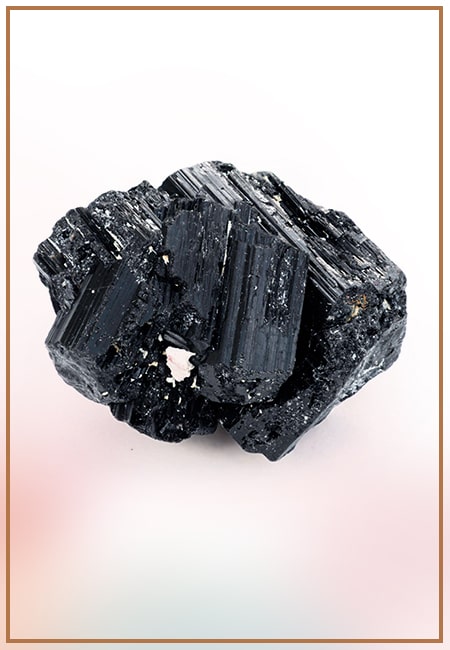
Black Tourmaline, also known as Schorl, is a highly revered crystal with incredible metaphysical properties. It derives its name from the Dutch word "turamali," meaning "stone with ..
Carnelian Stone: Meaning, Healing Properties, Power, Facts, Color, Uses and More
December 26, 2023 / BY Team DWS
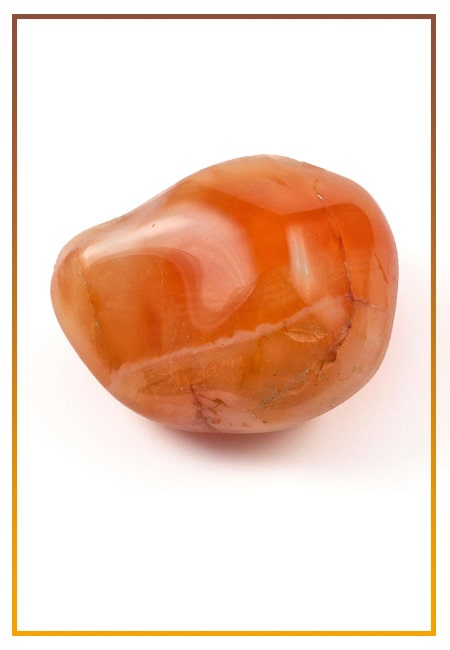
Carnelian is a vibrant and captivating gemstone that holds a plethora of meanings, healing properties, and powers. Its warm and fiery energy makes it a popular choice among crystal ..
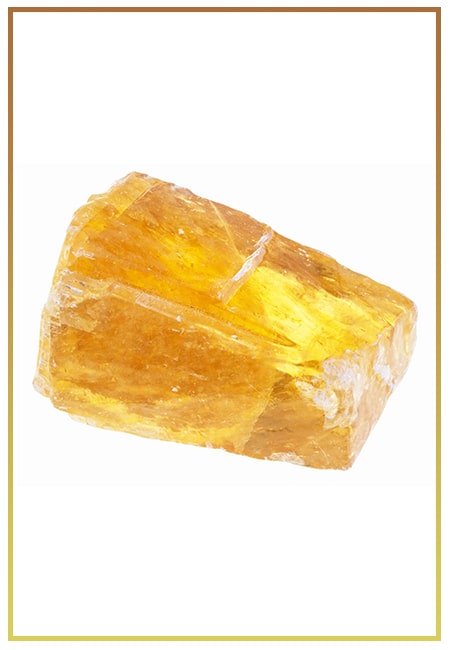
Citrine: Exploring its Meaning, Healing Properties, Fascinating Facts, Powers, Versatile Uses, and Much More
November 18, 2023 / BY Team DWS
Citrine, with its warm golden hues, has captured the attention and imagination of people for centuries. This beautiful gemstone, commonly associated with wealth and prosperity, hol ..
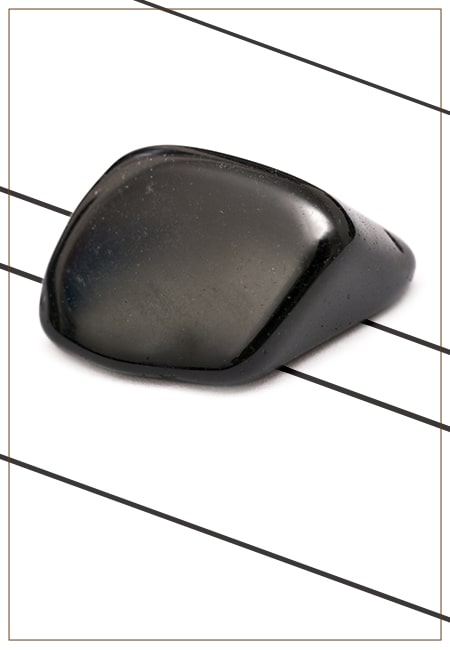
Black Onyx: Unveiling the Meaning, Healing Properties, Fascinating Facts, Powerful Attributes, Versatile Uses, and Beyond
July 25, 2023 / BY Team DWS
Black Onyx, a striking gemstone admired for its deep black hue and elegant appearance, has captivated people for centuries. In this comprehensive guide, we will delve into the mean ..
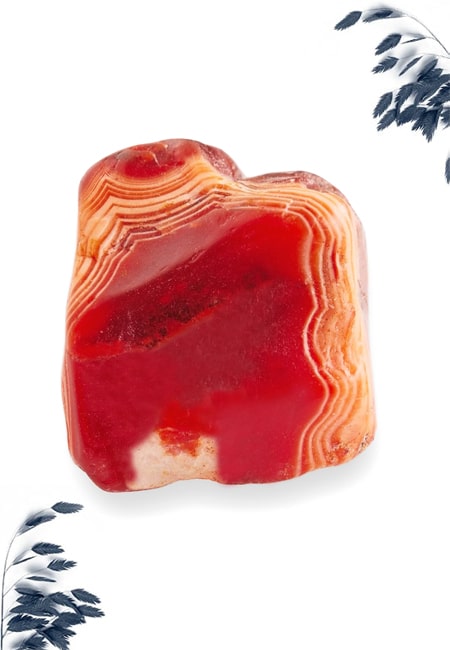
The History Behind The Popularity of Red Agate
December 23, 2022 / BY Team DWS
An Agate is a type of magma rock that takes many years till it is washed out naturally into the water. And that is the reason this stone has elements of water. This beautiful stone ..
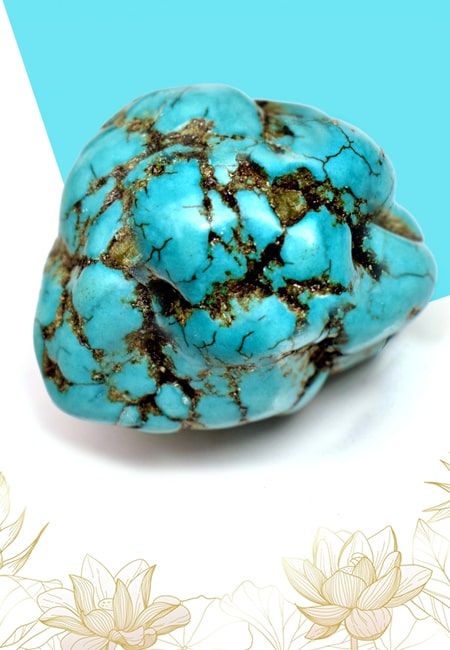
Unveiling the Mysteries of Turquoise Stone: Exploring its Meaning, Healing Properties, Power, Facts, Color, Uses, and More
December 05, 2023 / BY Team DWS
Turquoise, with its captivating blue-green hue, has been adorning jewelry and artifacts for centuries. This striking stone has a rich history, rich symbolism, and a plethora of int ..

Plan a Perfect Valentine's Week with Our Valentine Week List 2026
January 22, 2024 / BY Team DWS
Valentine's Day is undoubtedly the most romantic day of the year, but we believe that one day is just not enough to express your love and make your partner feel special. That's why ..
Bloodstone: Unveiling the Meaning, Healing Properties, Facts, Powers, Uses, and More
August 21, 2023 / BY Team DWS
Bloodstone, with its captivating deep green color with specks of red, is a mesmerizing gemstone that has fascinated civilizations for centuries. It possesses unique healing propert ..