


- Written By Team DWS
- Festivals
- December 06, 2025
Uncovering the Ancient Mesopotamian Roots of New Year's Eve Celebrations
The Akitu festival, originating in ancient Mesopotamia around 2000 BCE, stands as one of the earliest recorded New Year celebrations, marking renewal through agricultural cycles, divine victories, and royal reaffirmation in Sumer, Babylon, and Assyria. Held in the spring month of Nisannu (March-April), this 12-day event tied the sowing of barley to cosmic rebirth, influencing global New Year traditions including modern countdowns. Far from mere partying, Akitu blended myth, ritual, and community to ensure prosperity, echoing faintly in today's New Year's Eve festivities.
-dws639006289217358435.jpg "Happy New Year’s Eve")
Origins in Sumerian Zagmuk
Akitu evolved from the Sumerian Zagmuk festival in the third millennium BCE, celebrated as the "beginning of the year" during the spring equinox's new moon. In Sumerian city-states like Uruk, it honored deities tied to fertility and order, aligning with barley planting after winter floods from the Tigris and Euphrates rivers. This agricultural focus transformed into a broader renewal rite under Akkadian and Babylonian rulers, where gods like Anu and Enlil symbolized cosmic stability.
By the Old Babylonian period (circa 2000-1600 BCE), Akitu centralized in Babylon, shifting emphasis to Marduk, the patron god whose Enuma Elish epic—recited annually—depicted his triumph over chaos monster Tiamat, birthing the ordered universe. Assyrians adapted it later, holding fall versions in Assur and Nineveh, but the Babylonian spring rite dominated, spreading via conquests to Seleucid and even Roman eras. These roots highlight Mesopotamia's lunar-solar calendar innovations, precursors to Julian and Gregorian systems.
The 12-Day Ritual Sequence
Akitu's structure unfolded meticulously over 12 days, blending solemnity, drama, and jubilation in temples like Esagila (Marduk's house) and the outskirts Bait Akitu.
Days 1-3 emphasized purification: Priests at Esagila recited laments of human frailty before Marduk's statue, with the king bathing in the Euphrates for ritual cleansing; crowds echoed prayers like "The Secret of Esagila," seeking divine favor for Babylon. Craftsmen fashioned gold-and-wood puppets for later chaos rites, while Nabu's statue entered for worship.
Day 4 proclaimed the festival with creation myths, songs, and dances retelling Marduk's genesis. Day 5 humbled the king: Stripped of regalia, he knelt before the priest, who slapped him to induce tears—a good omen for fertility—before public reinstatement. Day 6 staged mock battles and puppet burnings, depicting Marduk-less anarchy, as god statues gathered indoors.
Days 7-8 mythologized Marduk's katabasis: He "descends" to battle underworld forces, rescued by Nabu; gods then empower him as supreme ruler in Upshu Ukkina hall. A grand procession on Day 9 carried Marduk's image to Bait Akitu amid music and gold-adorned deities. Day 10 featured Marduk's ritual marriage for land fertility, Day 11 fixed human fates via divine covenant—tying service to gods with prosperity—and Marduk's heavenly ascent. Day 12 concluded with gods' temple return, barley blessings, and feasts.
This sequence reinforced social order, with all classes—awilu elites to wardu laborers—participating, fostering unity.
Marduk's Central Role and Mythic Drama
Marduk embodied Akitu's core: his Enuma Elish victory over Tiamat justified kingship and creation, recited to symbiotically renew reality. As Babylon rose under Hammurabi (circa 1792-1750 BCE), Marduk supplanted older gods like Enlil, with Akitu legitimizing rulers as his earthly agents.
The king's slap ritual symbolized mortal limits, contrasting Marduk's omnipotence; tears ensured rains and harvests. Processions to Bait Akitu evoked Marduk's cosmic journey, with noise-making warding evil, akin to modern fireworks. Nabu, his scribe-son, balanced justice, recording destinies on Day 11.
Ties to Modern New Year's Eve
Akitu's echoes persist: Spring renewal mirrors January 1's Julian shift under Julius Caesar (46 BCE), influenced by Mesopotamian astronomy. Ball drops evoke statue processions; Auld Lang Syne parallels lament prayers; countdowns ritualize fate-setting. Even Times Square's origins nod to Babylonian public spectacles.
In jewelry contexts, Akitu's gold-embellished deities inspire NYE adornments—think lapis lazuli amulets like those on Marduk statues, symbolizing protection and prosperity. Crystal enthusiasts link obsidian or labradorite to chaos-banishing rites, while gold vermeil echoes royal regalia. Sustainable gems align with barley sowing's eco-harmony.
Assyrians revive Akitu today on April 1 as Kha b-Nisan, with parades and garlands, blending heritage and modernity.
-dws639006294725580198.jpg "Silver Jewelry Factory in India")
Enduring Legacy of Renewal
Akitu propelled Mesopotamian innovations—calendars, epics, kingship theories—shaping Judeo-Christian motifs like Nisan (Exodus 12) and Western festivals. Its 4,000-year span, from Sumer to Rome, underscores humanity's quest for ordered beginnings amid uncertainty. As 2026 approaches, reflecting on Akitu reminds us: True celebration renews not just calendars, but cosmos and community.
Popular on Blogs
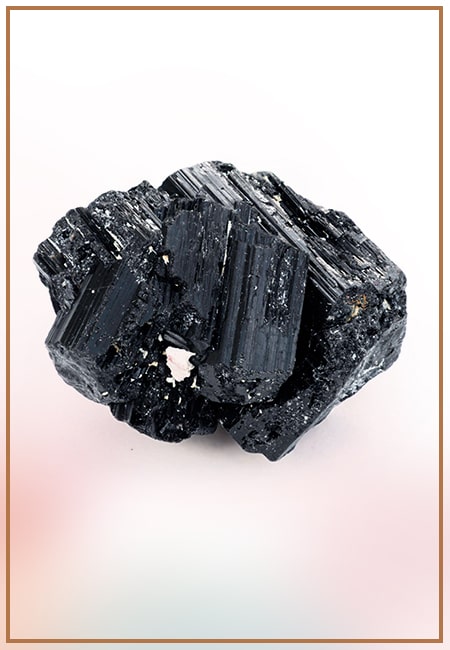
Black Tourmaline: Meaning, Healing Properties, Fascinating Facts, Powerful Attributes, Versatile Uses, and Beyond
September 05, 2023 / BY Team DWS
Black Tourmaline, also known as Schorl, is a highly revered crystal with incredible metaphysical properties. It derives its name from the Dutch word "turamali," meaning "stone with ..
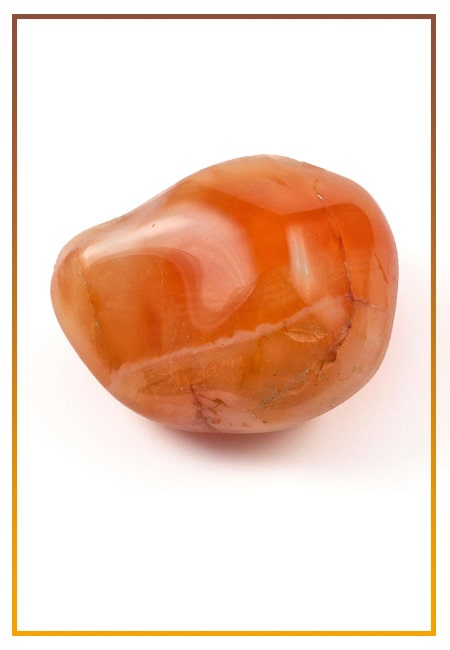
Carnelian Stone: Meaning, Healing Properties, Power, Facts, Color, Uses and More
December 26, 2023 / BY Team DWS
Carnelian is a vibrant and captivating gemstone that holds a plethora of meanings, healing properties, and powers. Its warm and fiery energy makes it a popular choice among crystal ..
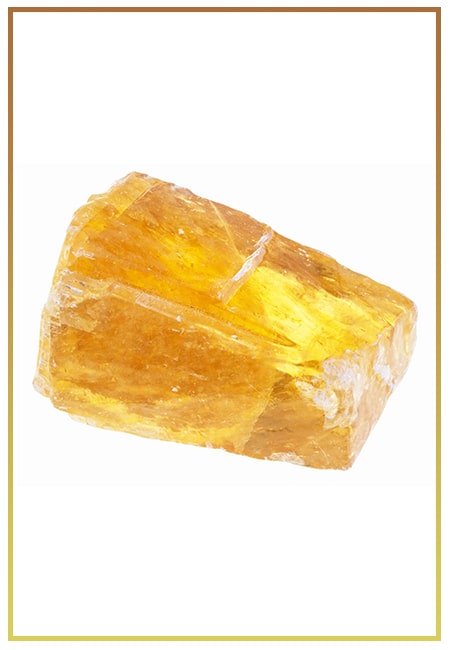
Citrine: Exploring its Meaning, Healing Properties, Fascinating Facts, Powers, Versatile Uses, and Much More
November 18, 2023 / BY Team DWS
Citrine, with its warm golden hues, has captured the attention and imagination of people for centuries. This beautiful gemstone, commonly associated with wealth and prosperity, hol ..

Black Onyx: Unveiling the Meaning, Healing Properties, Fascinating Facts, Powerful Attributes, Versatile Uses, and Beyond
July 25, 2023 / BY Team DWS
Black Onyx, a striking gemstone admired for its deep black hue and elegant appearance, has captivated people for centuries. In this comprehensive guide, we will delve into the mean ..
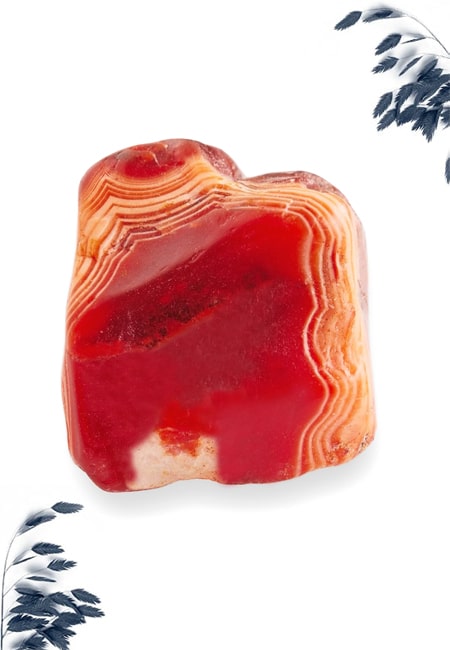
The History Behind The Popularity of Red Agate
December 23, 2022 / BY Team DWS
An Agate is a type of magma rock that takes many years till it is washed out naturally into the water. And that is the reason this stone has elements of water. This beautiful stone ..
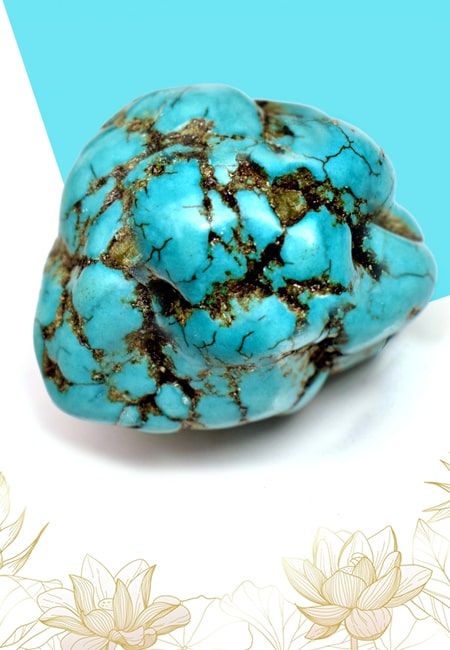
Unveiling the Mysteries of Turquoise Stone: Exploring its Meaning, Healing Properties, Power, Facts, Color, Uses, and More
December 05, 2023 / BY Team DWS
Turquoise, with its captivating blue-green hue, has been adorning jewelry and artifacts for centuries. This striking stone has a rich history, rich symbolism, and a plethora of int ..

Plan a Perfect Valentine's Week with Our Valentine Week List 2026
January 22, 2024 / BY Team DWS
Valentine's Day is undoubtedly the most romantic day of the year, but we believe that one day is just not enough to express your love and make your partner feel special. That's why ..
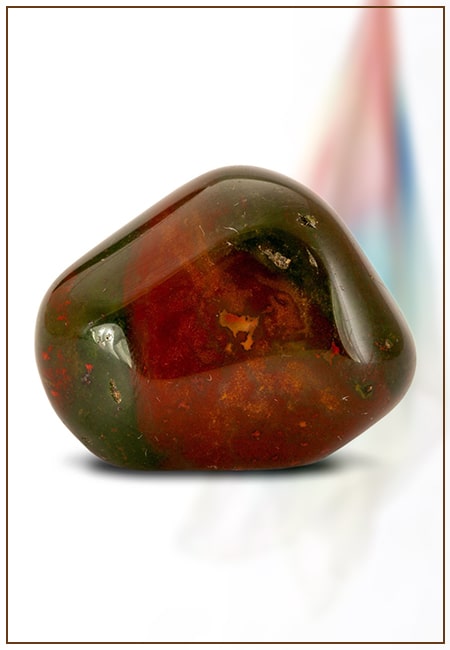
Bloodstone: Unveiling the Meaning, Healing Properties, Facts, Powers, Uses, and More
August 21, 2023 / BY Team DWS
Bloodstone, with its captivating deep green color with specks of red, is a mesmerizing gemstone that has fascinated civilizations for centuries. It possesses unique healing propert ..