


- Written By Team DWS
- Gemstones
- April 15, 2026
The Ultimate Collector’s Checklist: Every Major Variety of Onyx Explained
The vocabulary found within the gem trade has been formed from a blend of historical mythology and early science as well as a practical aspect for doing business: terms related to stone types have been misused to give stones appeal outside of their true scientific definition; therefore, Onyx is one of the gemstones that have been abused and grossly mislabeled. A true mineralogist understands that onyx is a parallel-banded form of chalcedony (because chalcedony is a microcrystalline production of the silicate mineral quartz). True onyx is made up of silicon dioxide (SiO2); it is geometrically different than agate by the way that the bands are internally arranged, whereas agate typically has bands that are curved or circular around the outer edge of a gemstone, onyx has bands that are straight and parallel to each other. The differences in arrangement of the two stone types provide an adequate aesthetic distinction between the two but are also useful in distinguishing the geological formation of each stone.
Onyx is a complex mineral that presents many different variations depending on the collecting context you are working in. Collecting true onyx requires consideration of the diversity of the mineral, multiple knowledge bases in several different disciplines (mineralogy, historical aspects of glyptic art, and modern processing) that control the supply of this material into the marketplace today.
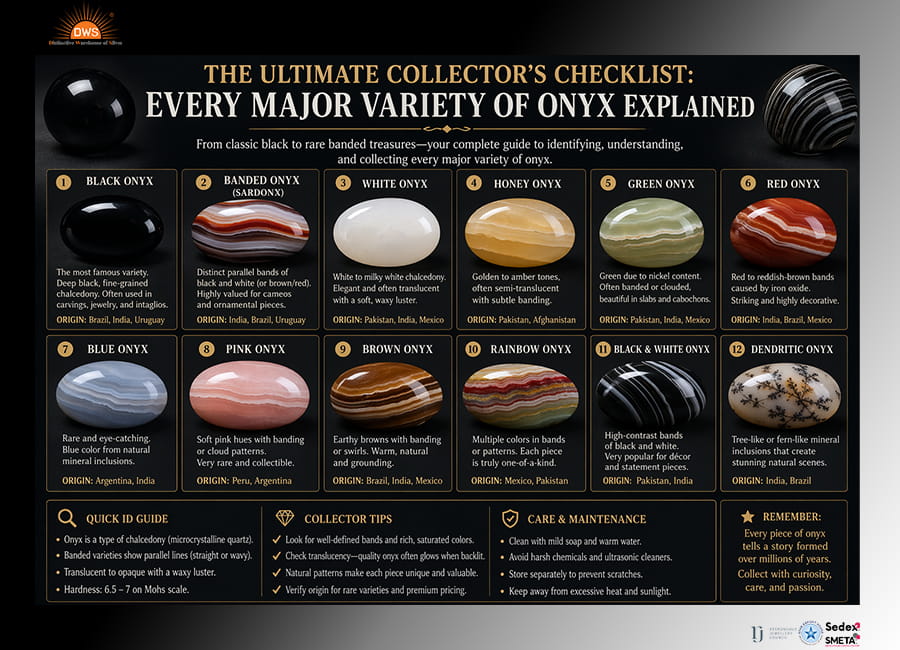
The Genesis in Nature and Chemistry of Authentic Onyx
To form real geological onyx takes a long time and there are two main locations for this process to occur: in the gas cavities (also known as vesicles) of volcanic rocks (basalt and rhyolite) or through volcanic eruptions. The cavities left behind from trapped volatiles in the cooling process of lava are where silica will subsequently precipitate. As silica rich hydrothermal fluid enters through the host rock and fills in these voids, the minerals quartz and moganite will precipitate from this fluid at relatively low temperatures. Since moganite (a monoclinic polymorph of quartz) occurs in an intimate intergrowth with trigonal quartz crystals, the resulting microcrystalline (alternately referred to as "cryptocrystalline") structure of onyx provides the stone with its characteristic toughness and wax-like finish.
The distinctive banding of onyx is a result of gravity-induced settling or specific periodic fluctuations in the chemical composition of the silica-saturated fluids. When deposition happens in flat and straight areas rather than going around the edge of the cavity wall, this causes an effect known as a parallel-banded system. The color of each layer that created from different trace impurities present during the time period when they were made can vary. As an example of this, iron oxides are known to produce redish/brown colorations in stones like sardonyx, while if there were no impurities at all in the rock, you would have completely clear or white layers of chalcedony. Historically, because of the mechanical strength of these layers, craftsmen carving precious gems used to use these stones for cameos or intaglios, because the layering created clear separation between distinct color bands that formed a raised-image contrasted against a different color background.
Table 1: Fundamental Mineralogical Properties of True Onyx
| Property | Value/Description |
| Chemical Formula | (Silicon Dioxide) |
| Crystal System | Trigonal and Monoclinic (Quartz and Moganite intergrowth) |
| Mohs Hardness | 6.5 – 7.0 |
| Specific Gravity | 2.58 – 2.91 |
| Refractive Index | 1.530 – 1.553 |
| Luster | Waxy to Vitreous (when polished) |
| Transparency | Translucent to Opaque |
| Cleavage | Indiscernible |
| Fracture | Conchoidal to Uneven |
The Taxonomy of True Onyx Varieties
Any collector needs to have the skill to assign an id based on specimen/stone colour as well as define the band count of each specimen/stone description. The most common idea concerning onyx by the general population is that it is the black stone, as in 'the black onyx stone', this is not correct as we now know there are many variations in colours before being treated (black onyx 'raw'). Very few actual black onyx stones in nature because they are all made up of light and dark "layers".
Arabic onyx & definition of TRUE onyx
Arabic onyx is frequently cited by gemologists as the "true" or classic variety. The sculpture is typically made using black and white layers of Onyx. The two colours together create the best contrast possible for engraving on the Onyx. Throughout history, the term "Arabic" has been used to denote specimens of exceptional quality, particularly those with sharp, opaque bands and a high degree of structural integrity. For those who collect, an original and untreated Arabic onyx is amongst the finest natural forms of silica, with the black colour being achieved through the natural process of mineral saturation rather than by means of artificial carbonization.
Sardonyx: The Brown and Red-Brown Variant
Sardonyx is a variety that features alternating layers of sard—a brownish, reddish-brown, or yellowish-brown chalcedony—and white onyx. There are many differing opinions in the world of gemology regarding the difference between carnelian and sardonyx, but according to most authorities on the subject, sardonyx is typically heavier, darker than carnelian, and more brown than sardonyx. The brown tones in sardonyx are primarily attributed to iron impurities, specifically hydrated iron oxides or hematite inclusions. Historically, sardonyx was highly prized in Rome and Greece, often used to carve military talismans or as the birthstone for August.
Cornelian Onyx and the Red Spectrum
Cornelian onyx (or carnelian onyx) consists of a crimson red or red-orange base with white or light-colored parallel bands. Also, like sardonyx, the coloration of cordial is derived from iron oxide; however, corralian onyx usually has more transparency than sard. Many people love corneal onyx for its burning appearance and use it predominantly for jewellery purposes in Mediterranean and Indian cultures as a bead for making necklaces or as a polished cabochon.
Niccolo Onyx and Optical Interference
One of the most technically interesting varieties for a collector is Niccolo onyx. This stone type has a very dark/natural black stone base with a very thin, transparent white layer on top of it. The thinness of the white layer allows for some of the black from underneath to be seen through the white layer, giving off a bluish or greyish tone throughout most of the white layer when viewed at an angle. This blue hue is not the result of a pigment but is rather an optical phenomenon related to light scattering, similar to the physics that cause the sky to appear blue. Niccolo onyx was a favorite of Renaissance carvers, who utilized the "blue" layer to create ethereal, ghost-like figures in their cameos.
Sulemani Onyx - Its Cultural Significance
Sulemani onyx is commonly found in marketplaces across both India and Pakistan, making this type of onyx highly desired and prized. This particular type of onyx, due to its spiritual significance and association with protection, has an established historical connection with Islamic Art and Architecture. In addition, Sulemani onyx has black and white bands that have flawlessly intermixed with various shades of gray to create unique patterns and designs. While it is formed through the same process as other types of banded chalcedonies, the cultural significance of Sulemani onyx gives it an added value and is frequently included in traditional amulets to assist in warding off evil and/or negative energy.
Table 2: Comparative Analysis of Major Onyx Varieties
| Variety | Base Layer | Top/Band Layer | Notable Characteristics |
| Arabic Onyx | Solid Black | White | Highest contrast; the "gold standard" for cameos. |
| Sardonyx | Brown/Red-Brown | White/Cream | Iron-rich; historically associated with August. |
| Cornelian Onyx | Red/Orange | White | Vibrant and translucent; prized in ancient beads. |
| Niccolo Onyx | Black | Ultra-thin White | Appears bluish-gray due to optical interference. |
| Sulemani Onyx | Black/Dark Gray | White/Gray | Culturally significant in South Asia; protective lore. |
| Black Onyx | Solid Black | N/A (Solid) | Extremely rare in nature; usually monochromatic. |
Global Mining Locations: Sourcing by Place of Origin for Individual Mineral Sample Types
As per its definition, the geological diversity of onyx is exemplified by the various places where onyx has been found. Although onyx is has the same chemical composition everywhere, some are quite different from others due to the way they have been deposited. Therefore, a collector can typically determine the region of origin for any given Onyx piece just by looking at it.
Brazil and Uruguay at the Paraná Basin
Brazil and Uruguay hold the distinction of being the most important source of chalcedony in the world, with all chalcedony originating from south of the equator. The volcanic activity in this area has resulted in a tremendous amount of outpouring lava that formed multiple geodes and vesicles filled with layered styles of agate and onyx. The Brazilian onyx has the most distinctively thick and dark bands compared to any other geographical location and therefore is the top producer of what will eventually be used to make the world's black onyx. Most of the things you will find in the high-street jewelry chains will have originally come as grey and banded Brazilian onyx. They were then dyed to create an even solid black colour.
The Indian Subcontinent, which includes the countries of India and Pakistan
India's record of onyx mining and onyx usage extends back thousands of years, well before the advent of recorded history. Evidence of onyx use can be traced back to the Harappan Civilization which existed in present-day Pakistan and northwest India. This type of onyx typically has finer, more detailed bands and has warmer colors in its overall palette, including but not limited to earth tones; earthy brown tones are common; vibrant red tones are also present.
The United States and Mexico are located in the North American Southwest
In the United States, onyx is predominantly mined in the southwestern states such as Arizona and California, where it is often found in association with other volcanic minerals. The onyx mines in Mexico produce exceptional amounts of onyx in the "honey" or lighter warm color ranges. These mines also produce copious amounts of the banded calcite which is also referred to as "mexican onyx" (a marketing name), so it is important to understand this when making a purchase.
Table 3: Mining and Sourcing by Regional ID
| Mining Region | Typical Stone Characteristics | Geological Formation Type |
| Brazil | Bold black and white bands; large sizes. | Volcanic gas cavities (Geodes). |
| India | Fine, intricate banding; warm earth tones. | Riverbed deposits and volcanic fissures. |
| Uruguay | Sharp contrast; high transparency in light bands. | Volcanic basalt flows. |
| Mexico | Honey-like tones; translucent layers. | Hot spring and sedimentary deposits. |
| Madagascar | Distinctive, unique patterns; vibrant colors. | Diverse metamorphic and volcanic terrains. |
| Yemen/Iran | Deep, rich colors; historical traditional cuts. | Ancient mining sites and desert fissures. |
The Great Imposter: Onyx Marble and the Carbonate Deviation
For collectors of stone, the biggest difference will be between true silicate onyx (the only type of onyx that can be collected) and what is commonly referred to as "onyx marble" or "Mexican Onyx" or "Pakistani Onyx". These materials are not varieties of chalcedony but are instead forms of calcite or aragonite, . Chemically and physically, they have more in common with limestone and marble than with quartz.
Formation and Physical Disparities
The formation of Onyx Marble results in a calcium carbonate precipitation process in solution from either cold or warm water typically occurring in caves (stalactites & stalagmites) or around hot springs. While Onyx Marble exhibits lovely stripes, its Moh's hardness is much lower (3.0-4.0) than real Onyx (6.5-7.0) which means it can be scratched easily with a steel knife while real Onyx is not able to be scratched. Additionally, as a carbonate, it will also react chemically to some degree with acid (such as vinegar or hydrochloric acid) creating carbonic gas bubbles and causing a reaction with the true Silicate Onyx.
Architectural and Decorative Utility
Onyx marble is often used in buildings for features such as illuminated walls or big sculptures, as it is larger than many other types of marble and is softer to make cut and finish. Its most impressive characteristic is that it is more translucent than chalcedony onyx. Therefore, light passes through it much easier than if the marble was denser. Even though very attractive and collectible by themselves, a collector never should expect this type of material to stand up to wear and tear like true silica based onyx.
Table 4: True Onyx vs. Onyx Marble Diagnostic Checklist
| Feature | True Onyx (Silicate) | Onyx Marble (Carbonate) |
| Chemical Basis | Silicon Dioxide (SiO2) | Calcium Carbonate (CaCO3) |
| Hardness (Mohs) | 6.5 – 7.0 (Hard) | 3.0 – 4.0 (Soft) |
| Acid Sensitivity | Inert; no reaction. | Effervesces (fizzes) with acid. |
| Translucency | Opaque to semi-translucent. | Often highly translucent/luminous. |
| Common Uses | Jewelry, cameos, intaglios. | Slabs, furniture, backlit walls. |
| Luster | Waxy to Vitreous. | Vitreous to Silky. |
Methods of Enhancement and Identification of the Onyx Commercial Market
Significantly, a distinguishing characteristic of the onyx market is the absence of commercially available natural, true, or solid black onyx stones produced naturally. To meet this need, numerous highly technical processes have been developed by manufacturers to modify the appearance of chalcedony. Because these enhancement methods are so widely accepted within the industry, they are considered the 'norm' by the industry, but for the collector to accurately assess the value of something, it is vital to be able to identify and assess these treatment processes.
The Sugar-Acid Process
The main way in which black onyx is created is by changing the chemical structure of another stone using a method called the sugar-acid method; therefore, in order to make large quantities of black onyx, the first step would be to boil gray/white or clear banded chalcedony in a concentrated solution of sugar (a combination of sugar and honey) for 4-6 weeks. This will allow some sugar to seep into the very small "pores" or holes in the stone. The next step would be to place the chalcedony in heated sulfuric acid (sulfuric acid dehydrates the sugar) leading to a residue of pure black carbon being left behind in the silica lattice. As a result, this will give the black onyx its permanent "deep" black color which will never fade. Due to the changes made chemically to the stone during this process, the chalcedony remains a legitimate gemstone but is deemed a "treatment."
Heat Treatment and Dyeing of Onyx
The practice of treating onyx with heat has been employed on many occasions for the purpose of changing the oxidation state of the iron embedded in the stone from various brownish or yellow hue formations to that of bright red. In addition, onyx can also be soaked in a variety of metallic salt solutions or synthetic dyes to create colours in onyx that do not exist in nature such as green, blue and purple. While dyes created using carbon will not fade when whole, some chemical dyes may fade if exposed to direct sunlight for extended periods of time and/or strong cleaning products.
Ways to Recognize Treatment of Onyx Stones for Gem Collectors
There are lots of ways to check if onyx has been treated without causing damage to the stone itself. Some practical ways will help serious collectors find evidence leading to an accurate determination of the authenticity of their onyx gemstone, and the treatment it has received.
- The first way to determine if onyx has been treated is through thermal conductivity testing. Since onyx is a fairly good heat conductor, it will feel cooler than the surrounding air when held in someone's hand, and it will take a longer time (about 10 to 15 seconds) to return to room temperature after being held. In contrast, a plastic or resin imitation will feel warm almost immediately after being placed in contact with skin.
- The second way to identify the treatment of onyx is through the use of light. When strong light passes through a piece of onyx it will have a unique microscopic structure. Dyed agate will show some bleeding or concentration of colour in areas of microscopic faults, while onyx will have a more uniform colour distribution.
- The third way to identify treatments on onyx stones is to examine the specific gravity and weight of the stone. Onyx is usually significantly denser than resin and plastic and much denser than obsidian when compared to all types of natural stones, so if a bead feels very light for its size, it is likely to be a synthetic stone.
- The last method to identify treatments on onyx is to view the stone with magnification that is at least 10 to 20 times greater than normal vision. When magnified at this level, genuine onyx will not have any air bubbles (which indicate glass), nor will it have streaks (which indicate plastic). Onyx that has had an appropriate cut to it will normally appear to be an entire and complete crystal in their entire shape.
Table 5: Treatment and Imitation Reference Guide
| Enhancement/Imitation | Method of Identification | Collector's Value Impact |
| Sugar-Acid Treated | Stable; magnification may show carbon spots. | Industry standard; no major loss in value. |
| Chemical Dye | May fade in sunlight; uneven color in cracks. | Lower value; requires special care. |
| Glass Imitation | Visible air bubbles; lower hardness. | Minimal value; considered "costume." |
| Resin/Plastic | Lightweight; feels warm; easily scratched. | No value as a gemstone. |
| Natural Black Onyx | Extremely rare; subtle banding visible under light. | Premium value; requires certification. |
Pharaohs and Mourning Rings: Cultural and Historical importance
Onyx's collectability is based on its long history as a collectible over thousands of years. Due to its properties of hard, no cleavage, and layers or striations, it has been the preferred material used to create works of art since the Bronze Age.
Earliest Civilisations
In Ancient Egypt, as early as the Second Dynasty, onyx was used to craft elegant bowls and pottery vessels, several of which have been found in royal tombs. The Egyptians also utilized onyx and sardonyx for amulets, believing the stones could protect the deceased on their journey to the afterlife and ward off evil spirits. In the ancient civilizations of Mesopotamia and Persia, this stone was sculpted into cylinder seals and signet rings for use as functional tools used to conduct commerce and make official decisions.
Greco-Roman and Renaissance Time Periods
The Greeks and Romans transformed onyx into a high-art form through the creation of cameos. Artisans were able to sculpt their way through many layers of the rock to produce images of many colors, including those of mythological figures. The word "onyx" comes from the Greek word for "fingernail" or "claw," which comes from a story that says that Venus’ nails were cut by Cupid and fell into the Indus River, where they turned into stone. The interest in the shapes of classical sculptures from the Renaissance were greatly increased after a major turning point in their lives. Some of the most detailed and intricate designs to be made from onyx were created during this period. Oftentimes, these objects were located in the King/Queen's cabinet of curiosities.
Victorian Era Mourning Jewelry
Following the death of Prince Albert in 1861, Queen Victoria’s mourning practices set a fashion standard across the globe. Black jewelry became the mandated attire for the grieving upper classes. Black onyx was commonly used to create rings, lockets, and brooches associated with grief since it has a deep black color that is smooth to the eye. The use of black onyx as a material for mourning jewelry has been influenced since the Renaissance by its association to symbolize both grace and inner strength. The same view of black onyx holds true today in the antique jewellery market for collectors.
Use of Collector's Checklist: How to Evaluate the Quality and Value of Onyx
If you are going to buy onyx whether it is as a loose stone, carved item or piece of jewellery you will need a common method to evaluate onyx. The 4Cs (Colour, Clarity, Cut, and Carat) are taken from the diamond document and modified in their assessment of opaque stones to be unique to onyx.
Color and Patterning
In the case of solid black onyx, the best type is solid, deep jet black with no visible cloudiness of any type or grey overtones. In the case of banded onyx, the contrast and sharpness of each line will help determine the value of the items. Those types that have vague lines or "bleeding" bands will not command the same value as those which have very defined, clear bands. Moreover, there are several kinds of patterns, such as the "bullseye" sardonyx where the pattern of bands was cut so that they could be arranged to form a target, resulting in a very high level of value for these pieces.
Surface Flawlessness and Clarity
Onyx has an opaque body type and therefore does not contain any internal inclusions. Onyx does not have any clarity, since it is only classified by its lack of blemish (surface pits, scratches and fractures). A quality onyx will have a mirror like surface with no signs of polishing. Any place on the surface of the onyx where there is a blemish or nick in it that has affected the glossy luster of the onyx, will decrease the value of the onyx by a big margin.
Cut and Artistry
Onyx's cut quality is determined by the level to which natural banding can be brought out by the cut. The standard of symmetry and finish that the gemstone's dome must possess is the most important feature of a cabochon. In the case of carved pieces, such as cameos, the artist's expertise in taking advantage of different-colored bands of stone and enhancing the optic value through their use is the key component in determining value. An example of this consideration can be seen with expertly carved antique cameos which have a value that may exceed the value of the same stone in plain polished form by thousands of times.
Carat Weight and Availability
Although onyx is generally readily available, it does not experience such great price increases (compared to other gemstones like emeralds and sapphires) based on size alone because it is often available in larger sizes. However, large flawless pieces are hard to source therefore desirable for larger carvings as well as architectural uses.
Table 6: Grading Matrix for Onyx Collectors
| Grade | Color Characteristics | Surface Quality | Value Driver |
| Investment Grade | Sharp, high-contrast bands; solid jet-black (natural). | Flawless; mirror-polish; no pits or fractures. | Rarity; historical provenance; master carving. |
| Collector Grade | Distinctive patterns; vibrant natural reds/browns. | Minimal surface blemishes; high luster. | Unique aesthetic; regional signature. |
| Commercial Grade | Dyed or treated; uniform but standard color. | Some minor surface marks; standard polish. | Affordability; modern jewelry utility. |
| Low Grade | Faint or blurry banding; grayish/cloudy black. | Visible scratches; dull or waxy finish. | Mass-market beads; imitation potential. |
Modern Day Crossovers: The "Onyx Vintage" is an Example of a New Trend in Collectibles
Onyx has become an important name in the world of luxury sports memorabilia and trading cards. Many people have also started to consider the word onyx for its connection with minerals in a more figurative way, to remind them of the luxury and style associated with the stone.
Onyx Vintage Trading Cards
The Collecting of onyx vintage has now become synonymous with baseball cards and football cards by using certain characteristics that give these card a specific designed look (black or monochromatic borders) to help denote items that are limited in availability but carry a high value. Numerous items have logos from several noted athletes (Eli Manning, Frank Thomas) and from future stars as well as on-card signatures from the above listed players.
Parallel Structures and Rarity
Many items produced in the collection have been assigned a "parallel" classification system that imitates how many gemstones are classified using colored borders in order to distinguish between different levels of scarcity (Blue, Green, Red, Silver, and ultra-rare black). An example of this would be that an autograph card will have a "Black Bordered" classification indicating that there will only be 5 copies in the entire world of that particular card; similar to natural black onyx, which is extremely rare as a gemstone. People collecting the contemporary concept of "onyx" as a geological terminology have now turned that concept into an internationally known cultural symbol of exclusivity and durability.
Table 7: Modern "Onyx Vintage" Rarity Tiers (Sports Collectibles)
| Tier/Color | Rarity Status | Historical Counterpart |
| Nero/Black | Extremely limited (e.g., /5 copies) | Rare, natural untreated black onyx. |
| Silver/Inscribed | High-end; unique signatures. | Expertly carved historical cameos. |
| Red/Purple | Limited (e.g., /25 or /35) | Vibrant cornelian/sardonyx varieties. |
| Green/Blue | Moderate scarcity (e.g., /50 or /99) | High-quality regional commercial stones. |
| Base Series | Standard issue; high availability. | Mass-market polished onyx beads. |
Some Care and Maintenance Issues When Caring for Your onyx Collection
When maintaining the value and appearance of an onyx collection, it is important to keep in mind that the physical characteristics of the stone must be considered. Onyx has a hardness of 7.0, but because of its microcrystalline structure, it is more porous than a gemstone like a diamond.
- Chemical Considerations: do not allow onyx to come into contact with bleach or any other household cleaning chemicals or acid as this could leach the colors from the synthetic stone used to make the item, or may damage the surface of the item if made from carbonized stone (stone treated with acid).
- Onyx cleaning: For cleaning, use a mixture of lukewarm water with one drop of mild liquid dish soap. Use a soft, lint-free cloth to clean the onyx surface. Steam or ultrasonic cleaners should not be used, as the use of heat can cause thermal shock or further damage existing internal fractures of the onyx.
- Onyx storage/handling: Always store onyx in separate soft fabric bags to prevent scratching because harder stones (e.g., sapphires and diamonds) will scratch onyx. When handling antique carved cameos, you should always handle them by the edge or base, because touching the carved surface with bare skin will leave oils from your skin in the microscopic crevices of the surface, which will then collect dust.
Conclusion
In studying onyx, one finds how much of this gemstone's history is produced by mankind and not just geology. A collector does not just have an arbitrary accumulation of black gemstones, but rather has a historical record of the silicate mineral evolution, the growth of glyptic artistic practices of antiquity, and the chemical sophistication of current enhancement technologies. Onyx has served as the medium for the expression of power (mythical fingernails of Venus), protection (mourning veils of the Victorian court), and grief. If a collector utilizes the understanding of mineral authenticity, regional provenance, and transparency of modern enhancements as part of a well-structured checklist, one will be able to make informed decisions in this complicated marketplace. Whether a masterly created Roman sardonyx cameo or a unique "Onyx Vintage" rare type, the intrinsic value of onyx remains its ability to offer an insight into (both) the extreme length of time that man has occupied the planet Earth and the creative expression of mankind.
Popular on Blogs
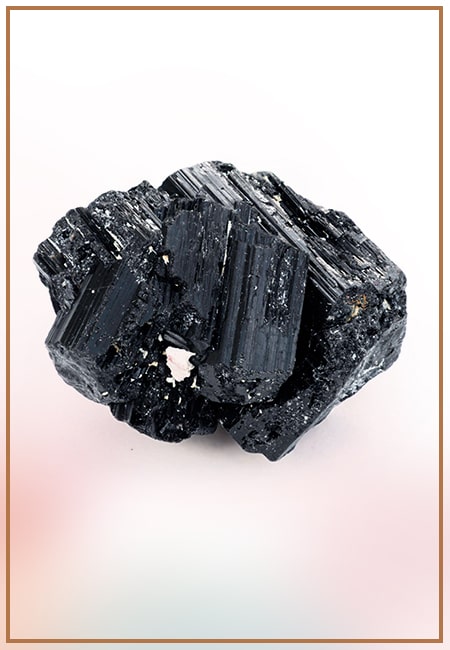
Black Tourmaline: Meaning, Healing Properties, Fascinating Facts, Powerful Attributes, Versatile Uses, and Beyond
September 05, 2023 / BY Team DWS
Black Tourmaline, also known as Schorl, is a highly revered crystal with incredible metaphysical properties. It derives its name from the Dutch word "turamali," meaning "stone with ..
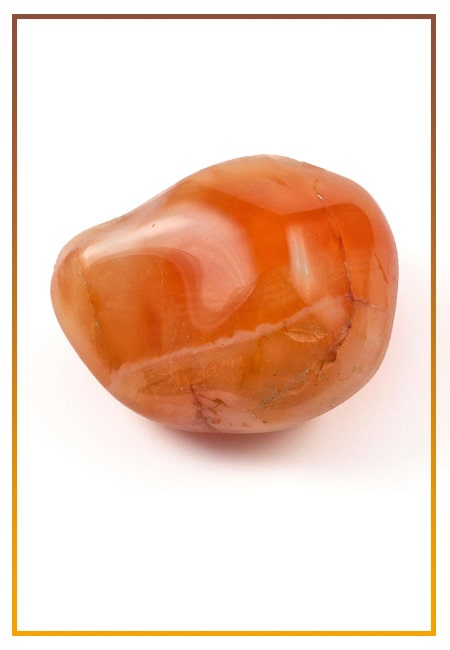
Carnelian Stone: Meaning, Healing Properties, Power, Facts, Color, Uses and More
December 26, 2023 / BY Team DWS
Carnelian is a vibrant and captivating gemstone that holds a plethora of meanings, healing properties, and powers. Its warm and fiery energy makes it a popular choice among crystal ..
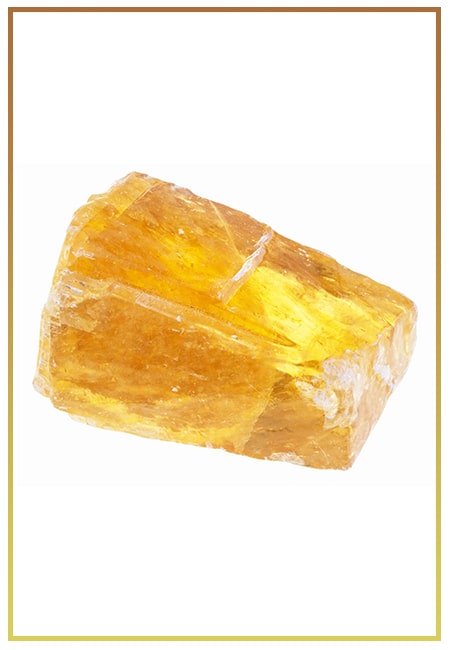
Citrine: Exploring its Meaning, Healing Properties, Fascinating Facts, Powers, Versatile Uses, and Much More
November 18, 2023 / BY Team DWS
Citrine, with its warm golden hues, has captured the attention and imagination of people for centuries. This beautiful gemstone, commonly associated with wealth and prosperity, hol ..
Black Onyx: Unveiling the Meaning, Healing Properties, Fascinating Facts, Powerful Attributes, Versatile Uses, and Beyond
July 25, 2023 / BY Team DWS
Black Onyx, a striking gemstone admired for its deep black hue and elegant appearance, has captivated people for centuries. In this comprehensive guide, we will delve into the mean ..
The History Behind The Popularity of Red Agate
December 23, 2022 / BY Team DWS
An Agate is a type of magma rock that takes many years till it is washed out naturally into the water. And that is the reason this stone has elements of water. This beautiful stone ..
Unveiling the Mysteries of Turquoise Stone: Exploring its Meaning, Healing Properties, Power, Facts, Color, Uses, and More
December 05, 2023 / BY Team DWS
Turquoise, with its captivating blue-green hue, has been adorning jewelry and artifacts for centuries. This striking stone has a rich history, rich symbolism, and a plethora of int ..

Plan a Perfect Valentine's Week with Our Valentine Week List 2026
January 22, 2024 / BY Team DWS
Valentine's Day is undoubtedly the most romantic day of the year, but we believe that one day is just not enough to express your love and make your partner feel special. That's why ..
Taurus Traits: Unveiling the Strengths and Weaknesses of the Bull
January 21, 2025 / BY Team DWS
When considering astrology, the Taurus zodiac sign, represented by the Bull, is characterized by its resilience, practicality, and unwavering resolve. People born between April 20 ..