


- Written By Team DWS
- Festivals
- January 24, 2026
Key Milestones from 1950 to 2026: Understanding Republic Day
India's Republic Day on January 26 commemorates the adoption of its Constitution in 1950, marking the nation's full transition to sovereignty. This comprehensive 2000+ word blog post traces key milestones from 1950 to 2026, offering historical context, political evolution, cultural significance, and forward-looking insights into this enduring democratic celebration.
 copy639048568076032999.jpg "Happy Republic Day 2026")
1950: The Dawn of the Republic
January 26, 1950, stands as the pivotal moment when India's Constitution took effect, transforming the country from a British dominion into a sovereign democratic republic. Dr. B.R. Ambedkar, chairman of the Drafting Committee, presented the document—crafted over nearly three years by luminaries like Jawaharlal Nehru and Sardar Vallabhbhai Patel—that outlined fundamental rights, directive principles of state policy, and a federal structure.
The inaugural Republic Day parade in New Delhi featured President Rajendra Prasad reviewing troops, with tableaux representing India's diverse states and camel-mounted contingents from the Border Security Force. Celebrations echoed across the nation, from massive flag-hoisting ceremonies in villages to cultural programs in cities, symbolizing unity in diversity.
This milestone abolished the role of the British monarch as head of state, establishing an elected President as the ceremonial head. It laid the foundation for universal adult suffrage, making India the world's largest democracy overnight.
1950s: Building Democratic Institutions
The early 1950s solidified republican foundations through landmark events. The first general elections in 1951-52, conducted under the new Constitution, saw over 173 million voters participate, electing Nehru's Congress party and affirming democratic legitimacy.
In 1952, the Republic Day parade introduced the Ashoka Chakra, a prestigious gallantry award, alongside Param Vir Chakra recipients marching in honor. Parades began showcasing industrial progress, such as models of the Bhakra Nangal Dam, heralding planned economic development.
Linguistic reorganization gained traction by 1956, creating states like Andhra Pradesh and Kerala based on language, balancing federalism with cultural identity. The decade closed with the establishment of the Planning Commission in 1950, setting five-year plans for self-reliance.
Nationwide, Republic Days fostered a sense of nation-building, with school children reciting the Preamble and communities organizing pledge ceremonies.
1960s: Trials of Sovereignty and Self-Reliance
The 1960s tested India's republican resolve amid external threats. The 1962 Sino-Indian War led to Republic Day 1963 parading captured Chinese weapons, boosting national morale and prompting defense modernization.
Lal Bahadur Shastri's brief 1964-66 tenure shone during the 1965 Indo-Pak War, where his slogan "Jai Jawan Jai Kisan" resonated in 1966 parades. The Green Revolution's high-yield seeds featured prominently in 1968-69 tableaux, marking agricultural breakthroughs that averted famines.
Indira Gandhi's rise in 1966 introduced women's contingents to parades by decade's end, embodying constitutional equality. Space milestones like Aryabhata satellite (1975, but planned earlier) hinted at scientific ambitions displayed in cultural floats.
Republic Days became platforms for resilience, with folk dances from border states highlighting cultural integration.
1970s: Emergency and Democratic Revival
The 1971 Indo-Pak War and Bangladesh Liberation elevated India's global role; Republic Day 1972 honored Mukti Bahini allies and war heroes with grand parades. However, the 1975-77 Emergency under Indira Gandhi suspended fundamental rights, censored press, and amended the Constitution—challenging its democratic core.
Post-Emergency elections in 1977 brought the Janata Party to power, marking a triumphant Republic Day with Morarji Desai as the first non-Congress Prime Minister. Parades emphasized civil liberties restoration.
Economic shifts included bank nationalizations (1969, expanded 1970s) and the 20-Point Programme (1975), aimed at poverty alleviation. Culturally, Republic Days revived with bhajans and kavi sammelans promoting secular harmony.
1980s: Modernization Amid Turmoil
Indira Gandhi's 1980 return focused on Punjab stability; Republic Day 1985 showcased INSAT-1B satellites and missile programs. Rajiv Gandhi's 1984-89 leadership accelerated telecom and IT revolutions, with 1987 parades featuring computer tableaux.
Tragic events like Operation Blue Star (1984) and anti-Sikh riots tested secularism, but 1989's Republic Day under V.P. Singh stressed national integration. Mandal Commission recommendations (implemented 1990) addressed OBC reservations, fulfilling social justice mandates.
Parades evolved with aerobatic displays by Surya Kiran, symbolizing technological leaps. The decade's end coincided with economic liberalization whispers.
1990s: Liberalization and Nuclear Assertion
P.V. Narasimha Rao's 1991 reforms ended the License Raj, spurring GDP growth; 1992 parades celebrated stock exchange booms and SEZs. The 1992 Babri Masjid demolition sparked communal tensions, but Republic Day 1993 reaffirmed constitutional secularism.
Atal Bihari Vajpayee's 1998-2004 tenure included Pokhran-II nuclear tests; 1999's Kargil victory parade was emotionally charged, with captured Pakistani equipment on display. Golden Jubilee Republic Day 2000 drew world leaders like Bill Clinton.
Economic milestones: WTO entry (1995), telecom boom. Parades highlighted software exports and women officers leading marches.
2000s: Economic Surge and Security Challenges
The 2000s marked India's global ascent. Republic Day 2001 followed Gujarat earthquake relief efforts; 2004 UPA government's RTI Act (2005) empowered citizens per Article 19.
26/11 Mumbai attacks (2008) led to 2009 honors for NSG commandos. Parades featured BrahMos missiles and Agni series. Parliament attack (2001) prompted security tableaux.
UPA's rights laws—MGNREGA (2005), RTE (2009)—echoed Directive Principles. IT and pharma sectors dominated cultural floats.
2010s: Digital Revolution and Bold Reforms
Narendra Modi's 2014 era brought "Make in India" to 2015 parades. Demonetization (2016) and GST (2017) transformed economy; 2018 featured all-women military contingents.
Article 370 abrogation (2019) integrated Jammu & Kashmir. COVID-19 scaled down 2021 parade to PM Modi's chariot review with tableau-less simplicity, prioritizing health.
Rafale induction, Chandrayaan-2 (2019), and Ayushman Bharat health scheme marked strides. Digital India via UPI revolutionized payments, featured in 2017-19 parades.
2020-2023: Pandemic Resilience and Global Leadership
2020's Republic Day preceded Galwan clashes; 2021 was restrained amid Delta wave. 2022's 73rd edition highlighted vaccines and Atmanirbhar Bharat post-Omicron.
G20 presidency (2023) globalized tableaux with African Union themes. Drone shows and yoga displays emphasized soft power.
2024-2025: Viksit Bharat Foundations
2024 under Modi's third term spotlighted semiconductor missions, Ram Temple inauguration, and women's reservation bill. Parades included Agnipath recruits.
2025 featured green hydrogen initiatives, hypersonic missiles, and Gaganyaan astronaut tributes. Tableaux promoted circular economy and AI governance.
2026 Preview: 76th Republic Day Horizons
January 26, 2026, celebrates 76 years with themes of Viksit Bharat@2047. Expect 6000+ participants, drone swarms, and women-led contingents in emerging tech like quantum computing.
Chief Guest speculation points to strategic allies. Parades will showcase hypersonic BrahMos-NG, LCA Mark2 prototypes, and space station models.
Challenges: Climate action, federal harmony, inequality reduction.
Parade Evolution and Traditions
From 1950's 5,000 troops to 2026's tech-infused spectacles, parades at Rajpath (now Kartavya Path) symbolize progress. 96-100 minute events include President's address, gallantry awards, and 17-20 state tableaux.
Chief Guests—from French Presidents to US leaders—underscore diplomacy. Cultural segments feature classical dances, folk troupes from Andaman tribes to Ladakhi groups.
Beating Retreat with massed pipes closes ceremonies.
Constitutional Adaptability
105+ amendments by 2025—from GST (101st) to LGBTQ+ recognitions—demonstrate flexibility. PILs, judicial review uphold supremacy.
Preamble amendments (42nd, 1976) added "socialist, secular, integrity."
Economic Transformations Reflected
Republic Day mirrors shifts: 1950s dams to 2026 renewables. Five-Year Plans yielded to NITI Aayog (2015). FDI liberalization propelled $500B+ inflows.
Parades track infra: Konkan Railway (1998), bullet trains (2020s).
Social Justice Milestones
From Ambedkar's vision to OBC/SC/ST quotas, RTE, women's 33% panchayat seats (1993), reservation bill (2023). Parades honor tribal contingents, para-athletes.
Cultural Unity in Diversity
"Ekatmata Mantra" recitation unites faiths. Tableaux rotate states: Northeast dances, Kashmiri crafts.
Kite festivals, boat regattas localize celebrations.
Republic Day's Global Footprint
Indian missions worldwide host parades; diaspora events in Times Square, Sydney foster pride.
Challenges and Future Imperatives
Inequality, urbanization, cyber threats persist. Constitution demands proactive reforms: data privacy, AI ethics.
By 2047 centenary, goals include $30T economy, net-zero emissions.
 copy639048570156691491.jpg "Jewellery Manufacturer from India")
Legacy and Personal Reflection
Republic Day chronicles resilience—from Partition scars to pandemic triumphs. It inspires civic duty, reminding citizens of duties alongside rights.
Celebrate by reading the Preamble, attending local events, sharing stories of unsung contributors.
Popular on Blogs
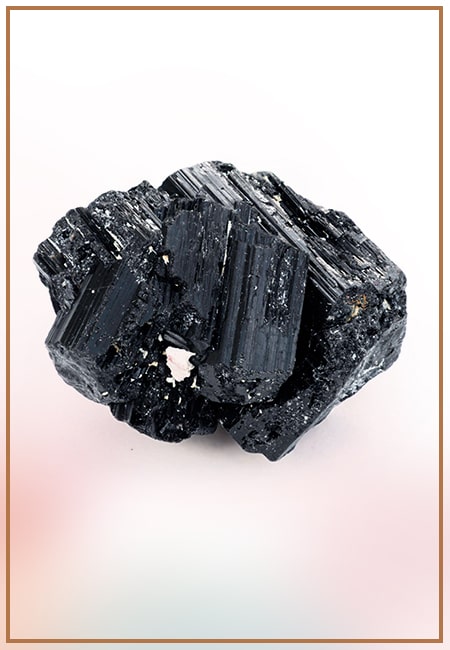
Black Tourmaline: Meaning, Healing Properties, Fascinating Facts, Powerful Attributes, Versatile Uses, and Beyond
September 05, 2023 / BY Team DWS
Black Tourmaline, also known as Schorl, is a highly revered crystal with incredible metaphysical properties. It derives its name from the Dutch word "turamali," meaning "stone with ..
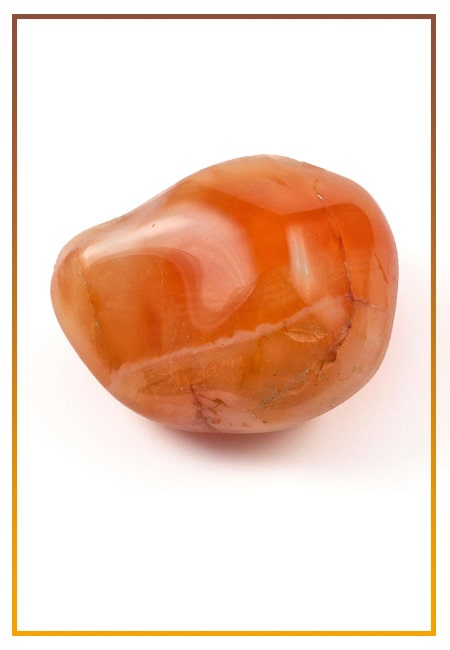
Carnelian Stone: Meaning, Healing Properties, Power, Facts, Color, Uses and More
December 26, 2023 / BY Team DWS
Carnelian is a vibrant and captivating gemstone that holds a plethora of meanings, healing properties, and powers. Its warm and fiery energy makes it a popular choice among crystal ..
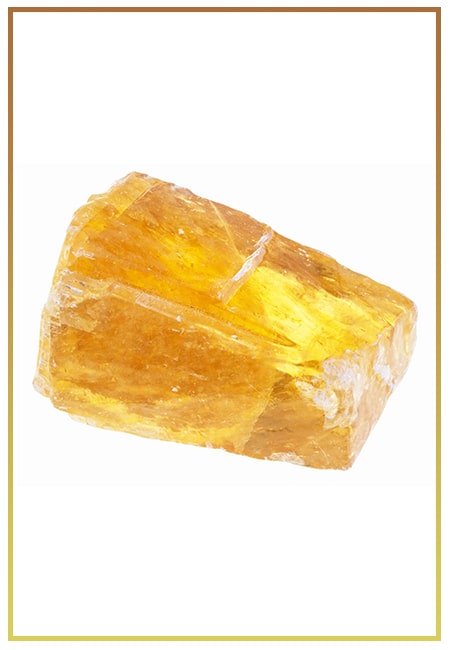
Citrine: Exploring its Meaning, Healing Properties, Fascinating Facts, Powers, Versatile Uses, and Much More
November 18, 2023 / BY Team DWS
Citrine, with its warm golden hues, has captured the attention and imagination of people for centuries. This beautiful gemstone, commonly associated with wealth and prosperity, hol ..

Black Onyx: Unveiling the Meaning, Healing Properties, Fascinating Facts, Powerful Attributes, Versatile Uses, and Beyond
July 25, 2023 / BY Team DWS
Black Onyx, a striking gemstone admired for its deep black hue and elegant appearance, has captivated people for centuries. In this comprehensive guide, we will delve into the mean ..
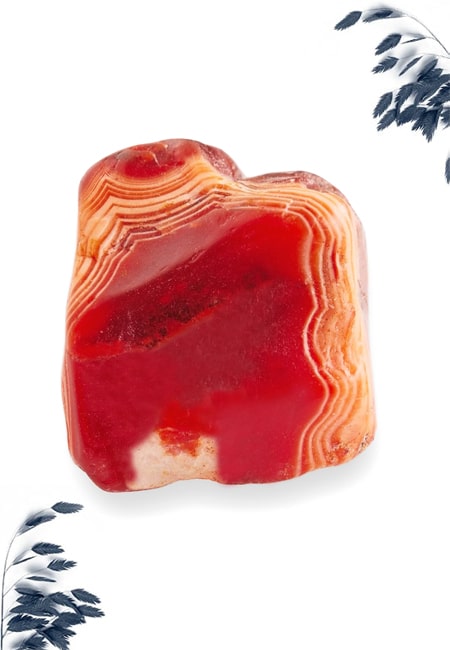
The History Behind The Popularity of Red Agate
December 23, 2022 / BY Team DWS
An Agate is a type of magma rock that takes many years till it is washed out naturally into the water. And that is the reason this stone has elements of water. This beautiful stone ..
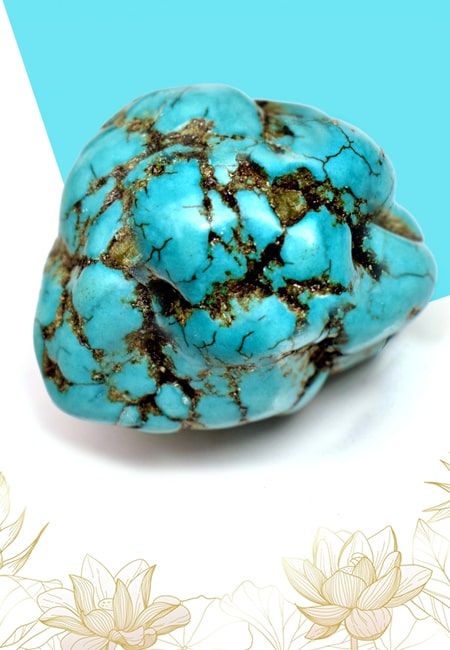
Unveiling the Mysteries of Turquoise Stone: Exploring its Meaning, Healing Properties, Power, Facts, Color, Uses, and More
December 05, 2023 / BY Team DWS
Turquoise, with its captivating blue-green hue, has been adorning jewelry and artifacts for centuries. This striking stone has a rich history, rich symbolism, and a plethora of int ..
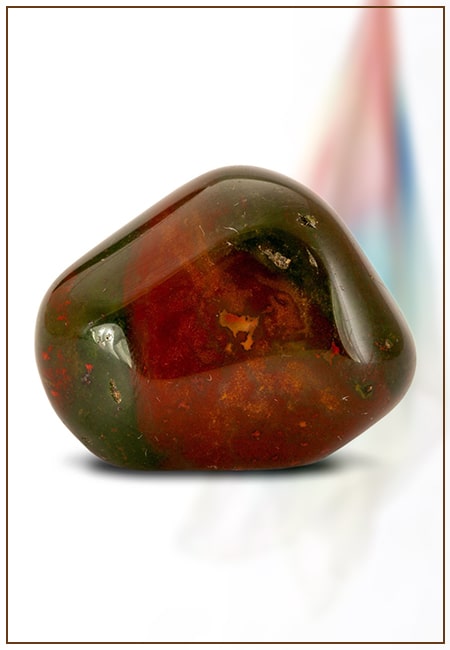
Bloodstone: Unveiling the Meaning, Healing Properties, Facts, Powers, Uses, and More
August 21, 2023 / BY Team DWS
Bloodstone, with its captivating deep green color with specks of red, is a mesmerizing gemstone that has fascinated civilizations for centuries. It possesses unique healing propert ..

Plan a Perfect Valentine's Week with Our Valentine Week List 2026
January 22, 2024 / BY Team DWS
Valentine's Day is undoubtedly the most romantic day of the year, but we believe that one day is just not enough to express your love and make your partner feel special. That's why ..