


- Written By Team DWS
- Festivals
- January 13, 2026
From Bhogi Bonfires to Thai Pongal: A Complete Guide to Four-Day Festivities
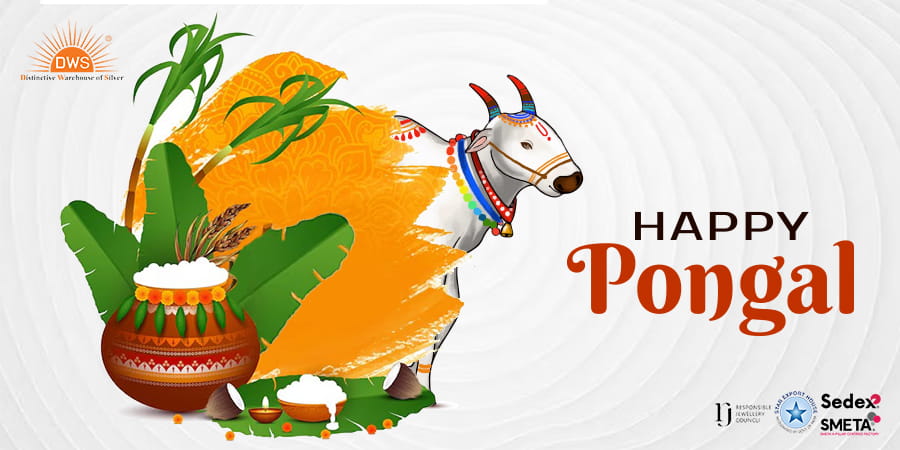
Pongal, one of South India's most vibrant and cherished harvest festivals, is a celebration that weaves together gratitude, tradition, and cultural pride. This four-day extravaganza spans from mid-January each year, transforming Tamil Nadu and surrounding regions into a canvas of colors, aromas, and joyous gatherings. Whether you're a curious observer or someone deeply connected to Tamil traditions, understanding the distinct significance of each day—Bhogi, Thai Pongal, Mattu Pongal, and Kaanum Pongal—offers profound insights into the agricultural heritage and spiritual values that have sustained South Indian communities for over a thousand years.
Understanding Pongal: The Festival of Abundance
The very word "Pongal" carries deep meaning rooted in Tamil culture. Derived from the Tamil word "pongu," which means "to boil over," Pongal encapsulates the philosophy of abundance, prosperity, and the blessings of nature. This harvest festival isn't merely a celebration of agricultural yield; it represents a fundamental relationship between farmers, nature, animals, and the divine. The festival celebrates the transition of the sun into the zodiac sign of Capricorn, marking the beginning of the Tamil month of Thai and symbolizing the end of the traditional farming year.
The historical roots of Pongal stretch back over 1,000 years to the Sangam Age (around 200 BCE to 300 CE), one of the most prosperous periods in Tamil literature and culture. Ancient Tamil texts, including those penned by the great poet Thiruvalluvar, pay tribute to this festival. Historical inscriptions discovered in temples, particularly the Viraraghava temple in Thiruvallur, mention grants of land by Chola kings specifically for celebrating the annual Pongal festivities, attesting to its long-standing cultural and social importance.
What makes Pongal particularly special is its holistic approach to celebration. Unlike festivals that focus solely on religious observance, Pongal acknowledges the interconnectedness of human beings, animals, agriculture, and natural forces. This philosophy has preserved the festival's authenticity even as centuries have passed and societies have modernized.
Day 1: Bhogi Pongal – The Festival of New Beginnings
Bhogi Pongal, celebrated on January 14, 2026, marks the ceremonial beginning of the four-day festivities. This day is all about renewal, cleansing, and welcoming fresh energy into homes and lives. While Thai Pongal may be the most well-known day, Bhogi sets the spiritual foundation for the celebrations that follow.
The Central Ritual: Bhogi Mantalu
The most visually striking and symbolically significant ritual of Bhogi Pongal is the Bhogi Mantalu, or bonfire ceremony. Early in the morning, families gather around bonfires fueled by wood and cow dung, creating a warm, purifying atmosphere. The significance of this bonfire goes far beyond the physical flames. Communities symbolically discard old clothes, broken household items, and other discarded possessions into the fire. This act represents throwing away past burdens, negative energies, and the regrets of the previous year, making space for positivity and fresh opportunities in the year ahead.
Local communities often enhance the festive spirit by bursting crackers around the bonfire and singing traditional songs. The smoke and warmth of the fire are believed to bring cleansing and protection to families. For farmers, this ritual is particularly meaningful—they use this day to worship their agricultural tools by applying kumkum (vermillion) and sandalwood paste to their ploughs and sickles, offering these instruments to the Sun God and Mother Earth before the harvest begins.
Home Preparation and Kolam Traditions
Beyond the bonfire, Bhogi is a day of thorough home cleaning and decoration. Families prepare their homes with meticulous attention to detail, reflecting the value placed on cleanliness and auspiciousness in Tamil culture. Marigold flowers and mango leaves adorn doorways and entrances, while new items are brought into the household, symbolizing fresh beginnings.
One of the most beautiful traditions associated with Bhogi is the creation of Kolam (also known as rangoli). Women in families wake up early to draw elaborate, geometric patterns on the ground using a paste made from fresh rice flour mixed with red color. These intricate designs often feature floral or decorative motifs and are believed to welcome prosperity and positive energy into homes. Pumpkin flowers are often incorporated into these designs, adding natural beauty to the artistic expression. Fresh cow dung cakes are placed in the middle of these kolams, and clay lamps (diyas) are lit over them, creating a spiritually charged atmosphere that represents welcome and auspiciousness.
Some households also prepare Bommala Koluvu, which are elaborate arrangements of dolls displayed in several tiers, adding a decorative and cultural dimension to their homes.
Blessings for the Young: Bhogi Pallu and Ariselu Adugulu
A particularly touching tradition of Bhogi is Bhogi Pallu, where young children, typically between three and six years old, are ceremonially blessed. Families dress the children in traditional clothes and shower them with Regi Pallu (Indian jujube), pieces of sugarcane, flower petals, jaggery, and coins. This ritual is believed to protect children from the evil eye and bless them with health, prosperity, and long life. The sweetness and abundance of the items used in this ritual symbolize the parents' wishes for a sweet and abundant future for their children.
Another charming tradition is Ariselu Adugulu, organized to mark the occasion when a child learns to take their first independent steps. Families prepare Ariselu, a traditional sweet made from rice and jaggery, place it on the ground, and encourage toddlers to walk over it. This ritual celebrates the child's developmental milestone while invoking blessings for their growth and progress.
Food and Family Traditions
Food plays a central role in Bhogi celebrations, representing gratitude and abundance. Families prepare sweets in large quantities using freshly harvested rice, sugarcane, and turmeric. These delicacies are not only prepared for personal consumption but are generously shared with family members, friends, and neighbors, reinforcing the spirit of community and togetherness that Pongal embodies.
Day 2: Thai Pongal – The Main Harvest Festival
Thai Pongal, celebrated on January 15, represents the apex of the Pongal festival and is unquestionably the most important day of the four-day celebration. Dedicated entirely to the Sun God (Surya), this day captures the essence of gratitude, abundance, and the deep connection between agriculture and spirituality.
The Iconic Pongal Dish and "Pongalo Pongal"
The day begins with families taking early morning oil baths, dressing in new clothes, and preparing themselves for the main ritual. The highlight of Thai Pongal is the preparation of the traditional Pongal dish, a sweet delicacy that gives the festival its name. Prepared in a new, beautifully decorated earthen pot (called Pongal Panai), this dish is typically cooked outdoors in courtyards or open spaces, allowing the entire community to witness and participate in the ritual.
The ingredients of Pongal are symbolic in themselves: newly harvested rice (representing the year's bounty), moong dal (symbolizing nourishment), jaggery (sweetness), and milk (prosperity and purity). As the milk reaches boiling point and begins to overflow from the pot, the moment is marked by jubilant cries of "Pongalo Pongal!"—a phrase that translates to "May the rice overflow!" This overflow is not viewed as a mishap but as a blessing, symbolizing the wish for prosperity, abundance, and overflowing joy to fill the household and the life of the family.
Before the dish is consumed, it is first ritually offered to the Sun God in a gesture of gratitude for his role in ensuring a good harvest. Only after this sacred offering is made do families share the Pongal with their relatives, friends, and neighbors. This practice reinforces the belief that all prosperity originates from the divine and that sharing blessings multiplies their impact.
Temple Visits and Sun Worship
Thai Pongal is also a day of significant spiritual activity. Families visit temples, particularly those dedicated to Surya (the Sun God), to offer prayers and seek blessings for continued prosperity and bountiful harvests in the coming years. The worship of the sun is intrinsically linked to the astronomical event of the sun's transition into the zodiac sign of Capricorn, marking the beginning of what is believed to be the sun's "day" in Hindu mythology.
The Festive Feast
Beyond the Pongal dish itself, Thai Pongal features an elaborate feast showcasing traditional Tamil cuisine. Families prepare dishes like vadai (savory fritters), payasam (sweet pudding), and medu vada (soft rice cakes), creating a culinary celebration that reflects the region's rich gastronomic heritage. These preparations are not just about satisfying hunger; they're expressions of joy, gratitude, and cultural pride.
Day 3: Mattu Pongal – Honoring Our Four-Legged Friends
Mattu Pongal, celebrated on January 16, shifts the festival's focus from the sun and harvest to the animals that made agriculture possible—particularly cows and bulls. This day beautifully illustrates the holistic philosophy underlying Pongal: recognition that humans cannot thrive without respecting and caring for other beings.
Cattle as Sacred Companions
The term "Mattu" literally means "cattle" in Tamil, making this day's purpose unmistakable. Cattle have been integral to Tamil agricultural society for millennia, serving not merely as economic assets but as companions and partners in the farming enterprise. Cows are venerated for their provision of milk and nourishment, while bulls are respected for their strength and role in tilling fields.
On Mattu Pongal, this respect and gratitude are expressed through elaborate rituals and celebrations. Cattle are given a luxurious bath, their horns are painted in vibrant colors, and they are adorned with bells, beads, and colorful garlands of flowers. The decorated cattle are then taken out in processions around the villages, often accompanied by music, singing, and traditional folk dances. The Pongal dish prepared during Thai Pongal is offered to the cattle as prasad (blessed food), a gesture of gratitude and care.
In many rural communities, Mattu Pongal is also a day when farmers perform special pujas (worship ceremonies) for their cattle. The animals are blessed and prayed for, with hopes for their continued health and strength. This ritual underscores an important message for contemporary society: that prosperity based on exploitation is unsustainable, while prosperity built on mutual respect and care is both spiritually enriching and environmentally sound.
Traditional Sports and Cultural Events
In various parts of Tamil Nadu, Mattu Pongal is celebrated with traditional games and folk performances that showcase the region's vibrant cultural heritage. Villages host organized events including bull parades, traditional folk dances, and community gatherings. In some regions, the festival features Jallikattu, a traditional bull-taming sport with deep historical roots in rural Tamil culture.
Jallikattu, despite its controversial nature in contemporary times, is seen by tradition-keepers as a way of honoring the bulls' strength and agility while celebrating the valor and courage of participants. Whether or not one participates in or endorses this particular activity, the inclusion of Mattu Pongal in the festival calendar demonstrates the centrality of animal welfare in Tamil agricultural traditions.
Day 4: Kaanum Pongal – The Day of Gathering and Joy
Kaanum Pongal, celebrated on January 17, provides a lighter, more social conclusion to the four-day festival. The word "Kaanum" means "to see" or "to view," and this day is primarily about community gathering, outdoor activities, and strengthening social bonds.
Community Gatherings and Outdoor Celebrations
Unlike the first three days with their specific rituals and religious observances, Kaanum Pongal is a day for families and communities to come together in a more relaxed and enjoyable manner. Families organize picnics, visit relatives and friends, and engage in various outdoor activities. Parks, temples, and community spaces are often filled with people enjoying time with their loved ones.
This day reinforces the social function of Pongal—it's not merely a religious festival but a time when families reunite, friendships are renewed, and community ties are strengthened. In urban areas, this day often sees cultural programs, exhibitions showcasing traditional crafts, and food festivals celebrating Pongal delicacies.
The Festival's Purpose Reflected
Kaanum Pongal serves as a contemplative conclusion to the festival, allowing people to reflect on the harvest, the year that has passed, and the relationships that sustain them. It's a day that embodies the fundamental purpose of Pongal: bringing people together in gratitude and celebration.
The Deeper Significance of Pongal in Modern Times
As we celebrate Pongal in 2026, the festival's relevance extends far beyond its historical origins. In a world increasingly disconnected from agricultural cycles and natural rhythms, Pongal serves as a powerful reminder of fundamental truths: that all prosperity originates from nature's bounty, that gratitude is a necessary spiritual practice, and that community bonds are precious.
The four-day structure of Pongal ensures that multiple dimensions of human experience are acknowledged and honored. Bhogi addresses personal renewal and family blessings. Thai Pongal celebrates the divine and agricultural abundance. Mattu Pongal emphasizes our responsibilities to other beings. Kaanum Pongal strengthens community and social connections. Together, these days create a comprehensive spiritual and social framework for living well.

Conclusion
From the cleansing flames of Bhogi Mantalu to the joyous gathering of Kaanum Pongal, the four-day Pongal festival represents one of South India's most complete and meaningful celebrations. More than a thousand years old, yet vibrantly relevant today, Pongal teaches timeless lessons about gratitude, respect for nature, animal welfare, and the importance of family and community.
As families across Tamil Nadu and beyond prepare for Pongal 2026, they participate in a tradition that has nurtured their ancestors' spirits for generations. Each ritual, each dish, and each gathering is a thread in a tapestry of culture, spirituality, and agricultural wisdom. To celebrate Pongal is to honor not just the past, but to invest in a future where gratitude, community, and respect for all living beings remain central to human flourishing.
Popular on Blogs
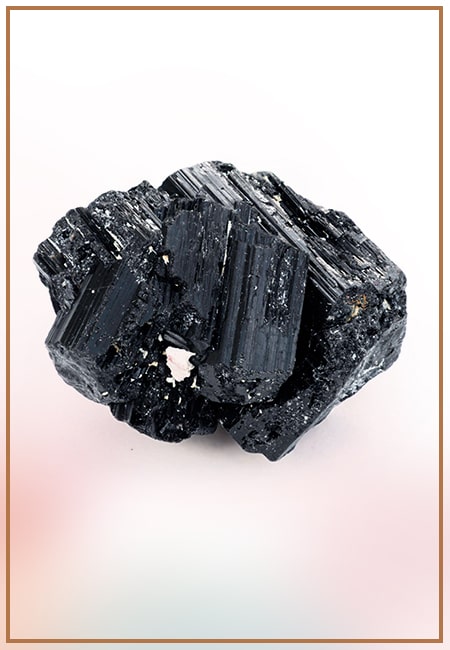
Black Tourmaline: Meaning, Healing Properties, Fascinating Facts, Powerful Attributes, Versatile Uses, and Beyond
September 05, 2023 / BY Team DWS
Black Tourmaline, also known as Schorl, is a highly revered crystal with incredible metaphysical properties. It derives its name from the Dutch word "turamali," meaning "stone with ..
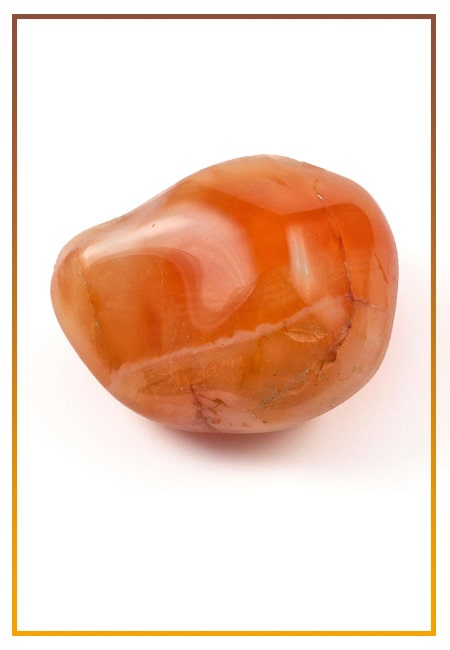
Carnelian Stone: Meaning, Healing Properties, Power, Facts, Color, Uses and More
December 26, 2023 / BY Team DWS
Carnelian is a vibrant and captivating gemstone that holds a plethora of meanings, healing properties, and powers. Its warm and fiery energy makes it a popular choice among crystal ..
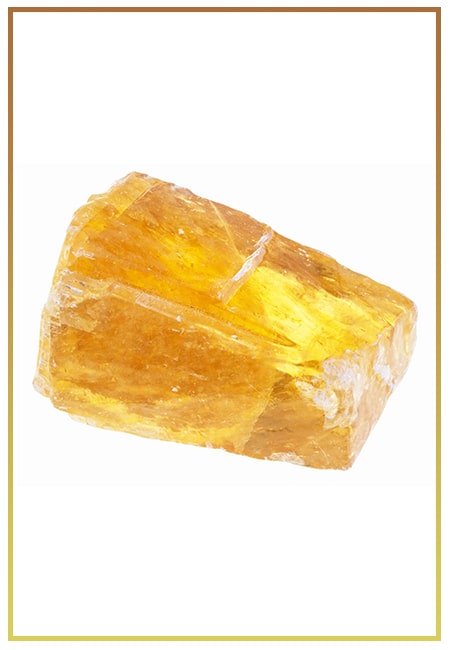
Citrine: Exploring its Meaning, Healing Properties, Fascinating Facts, Powers, Versatile Uses, and Much More
November 18, 2023 / BY Team DWS
Citrine, with its warm golden hues, has captured the attention and imagination of people for centuries. This beautiful gemstone, commonly associated with wealth and prosperity, hol ..

Black Onyx: Unveiling the Meaning, Healing Properties, Fascinating Facts, Powerful Attributes, Versatile Uses, and Beyond
July 25, 2023 / BY Team DWS
Black Onyx, a striking gemstone admired for its deep black hue and elegant appearance, has captivated people for centuries. In this comprehensive guide, we will delve into the mean ..
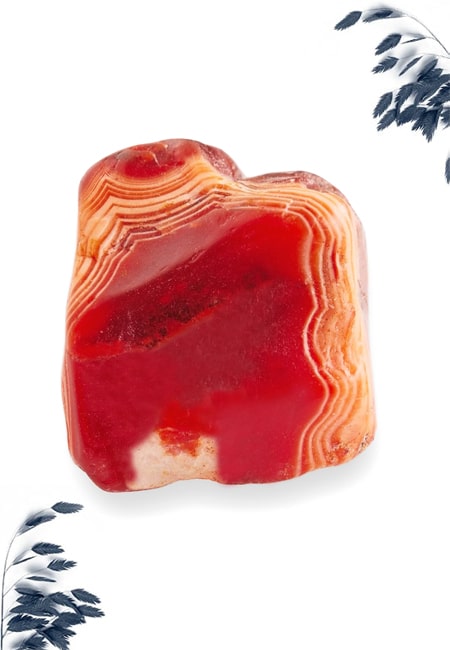
The History Behind The Popularity of Red Agate
December 23, 2022 / BY Team DWS
An Agate is a type of magma rock that takes many years till it is washed out naturally into the water. And that is the reason this stone has elements of water. This beautiful stone ..
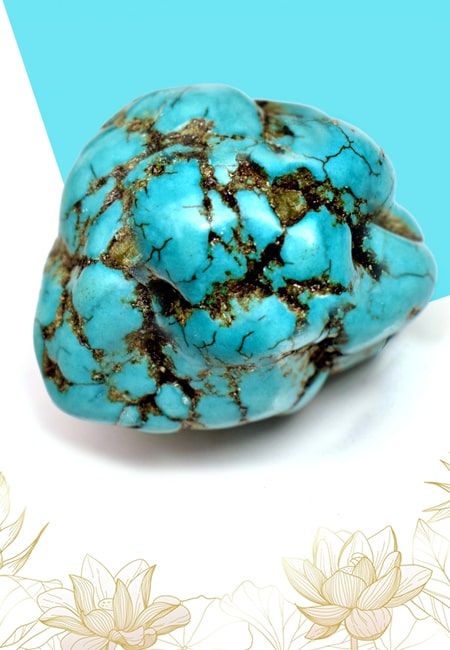
Unveiling the Mysteries of Turquoise Stone: Exploring its Meaning, Healing Properties, Power, Facts, Color, Uses, and More
December 05, 2023 / BY Team DWS
Turquoise, with its captivating blue-green hue, has been adorning jewelry and artifacts for centuries. This striking stone has a rich history, rich symbolism, and a plethora of int ..

Plan a Perfect Valentine's Week with Our Valentine Week List 2026
January 22, 2024 / BY Team DWS
Valentine's Day is undoubtedly the most romantic day of the year, but we believe that one day is just not enough to express your love and make your partner feel special. That's why ..
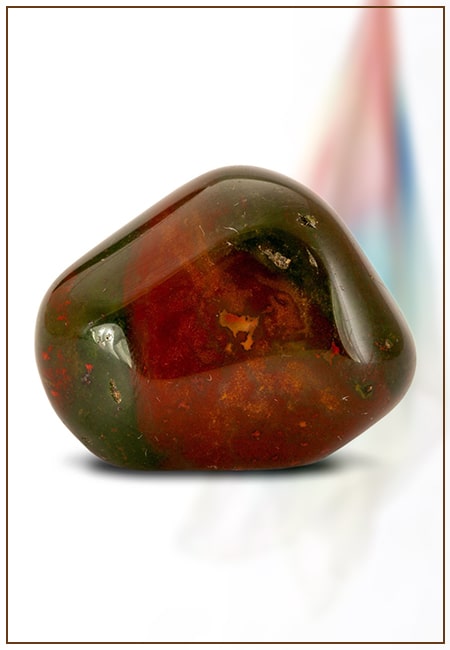
Bloodstone: Unveiling the Meaning, Healing Properties, Facts, Powers, Uses, and More
August 21, 2023 / BY Team DWS
Bloodstone, with its captivating deep green color with specks of red, is a mesmerizing gemstone that has fascinated civilizations for centuries. It possesses unique healing propert ..