


- Written By Team DWS
- Gemstones
- March 16, 2026
A Complete Guide to the Different Types of Agate Gemstones and Their Meanings
Agate is an exceptional type of gemstone, due to its unique color, patterning, and energy that can be found in almost limitless variety. For these reasons, agate is popular with jewelry makers, collectors, and crystal healers. In fact, because agate is a banded form of chalcedony (a crystalline form of quartz), it is durable enough to be worn in everyday jewelry, as well as have its very own individuality in terms of appearance for every agate worn as jewelry. In addition to the beauty of agate, the use of agate as a protective, grounding, and balancing stone has been known for centuries through various cultures around the world. The same holds true today with some varieties of agate believed to correspond with specific chakras and emotional needs.
What agate is from a gemological view
Agate is a member of the quartz group and consists predominantly of the mineral silica (SiO₂) as do other variants of the quartz family. Agate originates from the layering of microscopic fibrous crystals of chalcedony in cavities of volcanic and sedimentary rocks over geological periods, which is how the Unique Bands and Patterns of agate are obtained; therefore, there is a wide variety of different types of agate based on variations in Transparency, Color and Texture due to mineral content and environmental conditions during dating.
As agate has a Mohs hardness of 6.5-7, it is well suited for items such as rings, pendants, beads and other decorative items that are used daily. Most agate is either translucent or opaque and is frequently found as nodules in the ground or as geodes that are filled with Lava Gas Bubbles which are sliced or cut into cabochons to expose their internal Bands of Colour. Agate has its name from the River Achates (Modern Day Dirillo) in Sicily, where some of the first deposits of this material were found and used by early civilizations.
General metaphysical themes of agate
Agate is widely regarded by practitioners in spiritual/metaphysical traditions as providing stability, grounding, and emotional balance. It is commonly described as providing calmness to an anxious person due to its ability to help release and ease tension built up in one's body providing a sense of peace and inner strength without being too intense or immediate like a normal crystal.
Various sources agree agate is a protective stone by deflecting negativity while helping to stabilize the aura and transform disharmonious vibrations. The different colors of each type of agate correspond to specific chakras but generally, the entire family of agates has been associated with root/earth-related energies that encourage grounding and practical thinking.
How agate varieties are classified
Agate is officially classified as a type of banded chalcedony; however, in the gem trade and the crystal market, it is broadly used to describe all kinds of patterned chalcedony regardless of their degree of true banding. Many agate varieties derive their name from either a descriptive feature, their geographical origin, or their inclusion; examples would be moss agate (referring to the presence of moss-like inclusions), Botswana agate (named after the geographic location of the stones), or crazy lace agate (named because the banding has a crazy, swirling pattern). Even though all the agate varieties are composed of chalcedony, the different types of agate can have dramatically different appearances and be marketed with very different energies and decorative qualities.
When purchasing agates, the customer primarily considers four different axes for classification; they are colour, band type (straight, eye, lace, fortification), inclusion types (moss, dendrite, fossil), and geographical source. Additionally, many agates are dyed to enhance or change the colour (most often bright blue, bright pink, or bright green) so being aware of whether a stone has been dyed (treated) or is a natural stone is essential for determining both value and authenticity.
Major agate varieties and their meanings
Below are descriptions for several of the most common types of agate. Along with each type of agate is a brief description of how to identify them as well as some of the common meanings attributed to them by various chakra traditions.
Blue Lace Agate
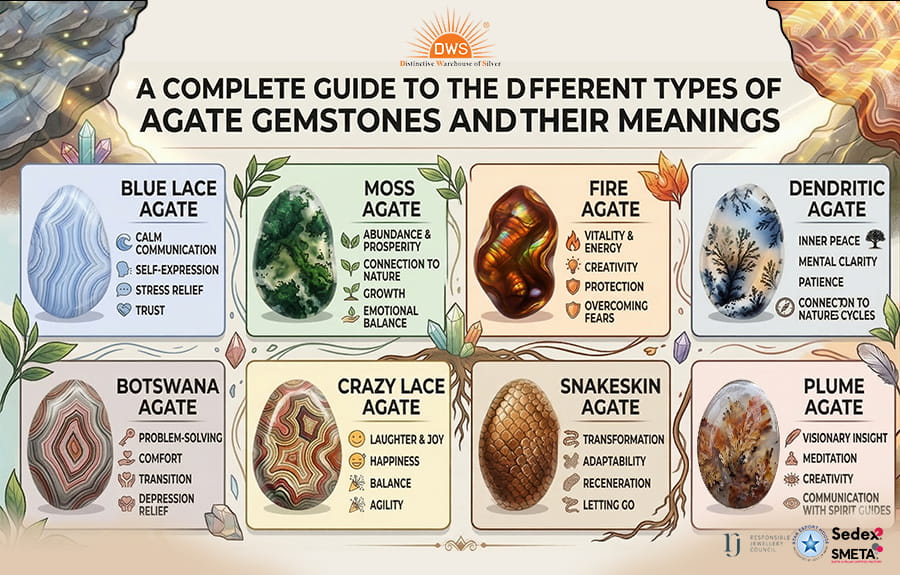
Blue Lace Agate has a pale, powdery, to sky blue color with beautiful, delicate white bands that curve along the agates in wavy fashion. This type of agate can be used to help facilitate calm communication, soothe an anxiety-ridden nervous system, and enhance the ability for a person to express their thoughts and feelings clearly and kindly.
In the chakra system, Blue Lace Agate is most often connected with the Throat Chakra and is thought to help individuals speak honestly; from their heart and connector; release pent-up emotion.
For people who tend to be withdrawn, shy, anxious about speaking in public, or feel uncomfortable or blocked in sharing their feelings with others, Blue Lace Agate is a valuable healing tool.
Moss Agate
Moss Agate is a non-banded chalcedony quartz that has typically green, brown, or black dendritic inclusions that can look like moss, trees, and/or plants growing in a clear to milky chalcedony matrix. The dendritic inclusions typically formed by iron or manganese oxides that nucleated in the silica gel before the gel hardened and caused the stone to appear "natural" or "earthy".
Metaphysically speaking, Moss Agate is considered the "stone of nature," "stone of growth," and "stone of abundance." It is said to attract prosperity, and support new beginnings. It corresponds to the Heart Chakra, and helps with connecting to nature, plants, and the cycles of nature, which has made it very popular with anyone growing things such as gardeners or anyone seeking emotional growth and renewal.
Dendritic Agate
Dendritic Agate has inclusions that are similar to ferns or trees these inclusions can come in colors such as brown and black. Dendritic Agate typically has an opaque colorless, milky white to a light blue or gray-ish background color of chalcedony. The inclusions are composed of manganese and or iron oxides that were present as part of the microfracture and plane formation during the formation of this stone.
Dendritic Agate is often associated with being there for us when we need help with grounding ourselves and being there for us when we grow into ourselves, balancing the inner self with our outer obligations through the peacefulness of mostly full growth.
Crazy Lace Agate
Most people consider this gorgeous crystal to have a lot of colour and many different bright, flowing colour-moves, such as the colours of cream, brown, yellow, red, and sometimes pink; many of those colours combine or mix and create lacy patterns. This wonderful crystal comes from Mexico, but some people refer to it as "The Stone of Laughter" because of its brightness and positivity.
According to crystal healers, Crazy Lace Agate is a "happy" crystal; it brings happiness and fun into serious or stressful situations; as well as providing energy that helps increase the flow of energy and vitality throughout our bodies and aura.
Fire Agate
Fire Agate is a rare variety whose shimmering iridescent play of color consists of many colors including reds, oranges, greens, and gold. The beautiful fireplay in Fire Agate is due to thin layers of iron oxide reflecting light from different angles. The base of Fire Agate is typically brown to red-brown Chalcedony and depending on the motion of the stone relative to the light you will see different "fire".
Energetically, Fire Agate is considered a stone of passion, creativity, and protection that can be used to increase motivation and courage while protecting you from negativity. Fire Agate is also associated with the lower chakras particularly Root and Sacral; it helps promote grounded action, sexual energy, and your sense of personal power.
Botswana Agate
Botswana agate, found in Botswana, Southern Africa, is adored for its exquisite parallel smokey grey, pastel brown, white and occasionally subtle pink banding. The banding creates eye shapes or concentric designs, giving any cut piece of agate a serene, sophisticated appearance and making it perfect for both jewelry-making and as a collector's item.
Botwana agate is considered in metaphysical beliefs to possess a gentle and soothing energy that assists individuals with dealing with their grief, loneliness and emotional exhaustion; it has also been associated with supporting individuals in breaking unhealthy patterns, as well as providing stability and support during transitions in life.
Laguna and other banded agates
Laguna Agate is one of the most popularly collected agates due to its rich coloration and detailed banding. This agate is characterized by the large number of colour bands that create concentric fortification patterns around the circumference of each piece.
Generally speaking, banded agates are associated with the concepts of protection and balance because they are created from numerous layers of accumulated growth. These stones can assist you in achieving long-term goals and developing personal discipline as you perform each step towards achieving those goals, as well as creating strong, energetic foundations for yourself.
Turritella Agate
Turritella Agate is a unique type of agate containing fossilized spiraled snail shells (gastropods) surrounded by a brown to a black chalcedony matrix. Although the name is derived from the Turritella family, the actual fossils embedded in many commercial stones belong to an alternate but similar family of gastropods. Regardless, the name is still used in everyday vernacular.
The stone has an association with spirituality, helping to connect people with their ancestors and their memories, and with the long history of the earth, past life work, family roots & connecting with ancient wisdom. Additionally, Turritella Agate is very grounding; it allows for grounding energy to the physical body, and also assists with the long cycles of geological time.
Tree and Green Agate
Green Agate and Tree Agate are two closely-related terms that are used to describe green-colored chalcedony (a form of quartz) that have greens derived from inclusions that remind us of the forest and plant life. Some pieces exhibit clear variations in color where branches or leaves would normally appear while other pieces are almost all green with only slight bands or mottled areas.
Chakras are often related to emotional healing, the growth energy associated with trees, and compassion, which can help you with your own healing by providing a supportive environment to develop and rebuild yourself.
Black, Red, and Dyed Agates
Agate can occur both naturally (black and red) and artificially (by dying). Dying agate entails soaking light colored, porous agate stones in a chemical solution, then applying heat to produce the final color. Initial techniques for dying agates were reported by artisans living in Idar-Oberstein, Germany, who would dye pale Brazilian agates black or red to use in their jewelry.
The metaphysical attributes of red agate are vitality, courage, and weight or physical presence (in addition to being an excellent source of physical energy), while the attributes of black agate are that of strong protective energy, grounding, and energy shields. When purchasing very bright colored agates such as neon blue, pink, or green, one should reasonably expect the colors to be artificially dyed. Sellers who are responsible will indicate this in their product description.
Agate and the chakras
Since agate comes in so many different colors, all of these colors may represent one of the seven chakras. The specific color of the agate helps identify where the agate's energy focuses. In most cases, blue and light blue agate (i.e., Blue Lace Agate) represents the throat chakra; various shades of green and pink connect to the heart chakra; while shades of red, brown, and black have associations with either the root chakra or the lower chakras.
Many practitioners are attracted to agate due to its gentle balancing and aligning ability to work on multiple chakras at the same time and provide stability to the aura without causing sudden energy shifts. It is often recommended to individuals with an ultra-sensitive energy source that want an effective source of energy support for grounding, processing emotions, and protection against various energetic influences.
Historical and cultural uses
Agate has been utilized for many purposes since ancient times throughout the world (e.g., Egypt, Greece, and India) including jewelry, seals, amulets, and carvings. Despite its many uses, in ancient times agate was mainly prized because of its durability and ability to be polished; however, it was also believed that agate had magical properties (i.e., to bring good luck, provide protection, and promote physical and emotional well-being).
In ancient times, agate was carved into a wide variety of objects. For example, it has been used to create signet rings and cameos, as well as other ceremonial objects. Many of the objects created with agate in ancient times were functional in nature, such as bowls and handles, yet show how highly coveted agate was not only as an object of luxury, but also as an item used in everyday activities.
Many of the traditions related to agate have carried through to today as evidenced by protective talismans, mala beads, rosaries, and decorative plates or slices displayed in both homes and places of worship.
Using agate in daily life
Agate is extremely versatile and can be used in many ways to incorporate into daily life, including clothing, jewelry, home decor, and spiritual practice. Wearing an agate pendant, bracelet, or ring puts the crystal right next to your body, and depending on which type of agate you wear and where on your body it's placed, the agate's location will have a specific meaning. For example, Blue Lace Agate should be worn at the throat area, while Moss Agate should be worn at the heart area.
Agate slices and palm stones are very popular items used in spiritual and wellness rituals. These items are often utilized during meditation, placed on the chakra points during meditation, or placed in crystal grids to assist with intention-setting (grounding, creativity, emotional healing). In addition to their use in spiritual practice, agate can also be used as decorative items such as coasters, bookends and display pieces and will help anchor the space where they are used as well as provide a decorative accent.
How to choose the right agate variety for you
When selecting an agate, first determine your objective for its use, i.e., aesthetic only (to look good), energetic only (to create/repel certain energies), or both. If you want your stone to help you communicate more effectively and peacefully, then blue lace agate or other shades of blues would be ideal for you; on the other side, if peace of mind and stability are important to you, then black, brown or Botswana agates would provide the groundedness and stability you are seeking.
The colour and pattern choice is often a determining factor since every piece will have its own unique markings and often individuals have a strong instinct for specific pieces. Other key factors include: the quality of the stone (characteristics of the agates such as hardness, style to be set, whether it is dyed or natural by how it is finished, etc.); and high-quality agates have distinct bands and/or inclusions, displays good polish, and have little or no cracks or fractures.
Caring for and cleansing agate gemstones
Because of the hardness of agate, it is generally easy to maintain your agate jewelry and decor items by cleaning with mild soap and water and avoiding direct exposure to harsh chemicals. Store your agate separately from softer stones to prevent scratching your stones. To protect the dyed colors from fading, do not store in areas exposed to prolonged heat or sunlight.
When working with agate on a spiritual level, typical cleansing techniques include running water, laying on a dry salt bed, using incense and/or placing it under the moonlight as a way to renew the energy within the stone. Another frequently suggested technique is to set your intentions for how the stone will support you mentally or verbally, and aligning the stone with your own personal goals.
Natural vs. treated and imitation agates
Agate can be found in two sources; the first type being natural, unmodified agate with the second being treated agate that has undergone some form of modification. Treated agates are easily identified by examining their coloration; if the coloration appears too vibrant, then it most likely has been dyed. Reputable sellers of agates disclose this information so that buyers are able to choose their gemstones wisely.
In contrast to this example of disclosing dye treatment, there are many imitations of natural agate on the market that do not even contain any chalcedony. Imitation agates attempt to replicate the layered appearance of natural agate; therefore, it is advisable to examine their weight, density, and whenever possible, to obtain documentation from a reliable source to ensure that it is an accurate representation of natural agate. Energy workers or collectors of natural agate may want to focus on purchasing agate in more subtle colors, from reputable suppliers, to decrease the possibility of purchasing an inaccurately represented stone.
Key takeaways on agate varieties and meanings
Agate is actually a gem family that contains many different individual varieties of semi-precious gemstones. All agates have their own visual identity (color, pattern) and are traditionally believed to have a different meaning. For example, Blue Lace Agate has calming blue banding, Fire Agate has fiery red/orange coloring, and both Moss and Dendritic Agate have brown/green banding with nature-inspired inclusions. Because of its diversity, Agate is able to appeal to nearly every personality, style, and spiritual intention.
Throughout history and across the globe, people have considered Agate to be a stabilizing, protective, and harmonizing stone. It is best suited for those people who appreciate steady, grounded growth rather than dramatic energetic fluctuations. Whether the intention behind the purchase of an Agate stone is to incorporate it into jewelry design, as a collection piece, or for personal inner work, learning about the various forms and meanings associated with each Agate stone will allow people to select a piece that resonates with both their design aesthetic and deeper energetic needs.
Popular on Blogs
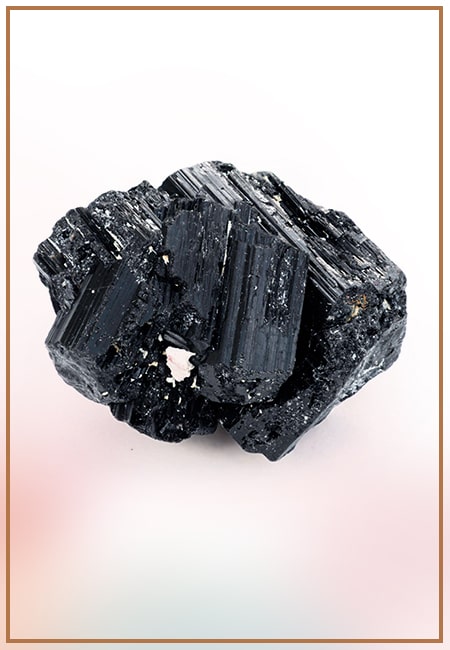
Black Tourmaline: Meaning, Healing Properties, Fascinating Facts, Powerful Attributes, Versatile Uses, and Beyond
September 05, 2023 / BY Team DWS
Black Tourmaline, also known as Schorl, is a highly revered crystal with incredible metaphysical properties. It derives its name from the Dutch word "turamali," meaning "stone with ..
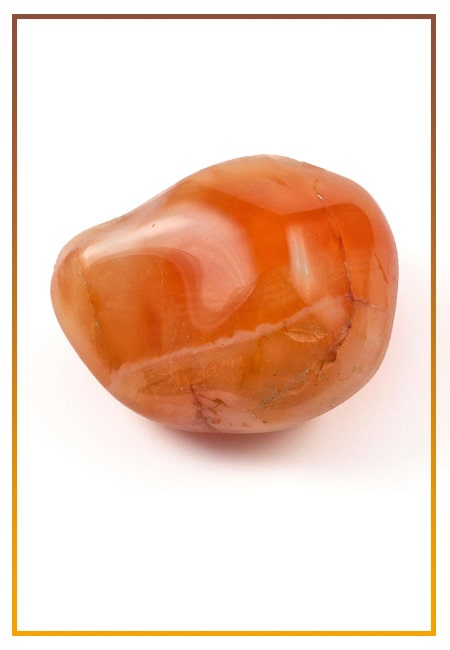
Carnelian Stone: Meaning, Healing Properties, Power, Facts, Color, Uses and More
December 26, 2023 / BY Team DWS
Carnelian is a vibrant and captivating gemstone that holds a plethora of meanings, healing properties, and powers. Its warm and fiery energy makes it a popular choice among crystal ..
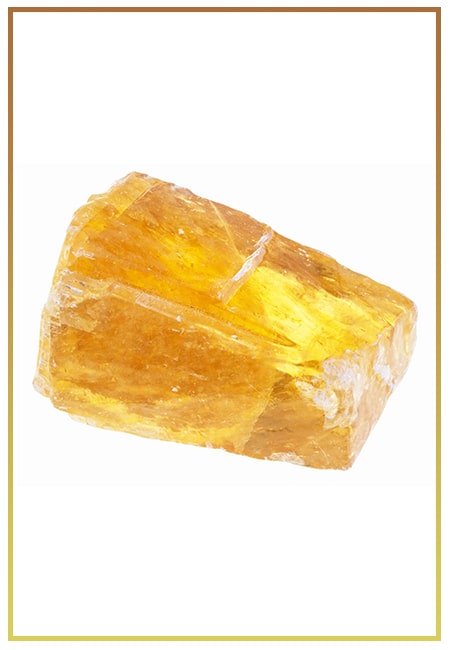
Citrine: Exploring its Meaning, Healing Properties, Fascinating Facts, Powers, Versatile Uses, and Much More
November 18, 2023 / BY Team DWS
Citrine, with its warm golden hues, has captured the attention and imagination of people for centuries. This beautiful gemstone, commonly associated with wealth and prosperity, hol ..
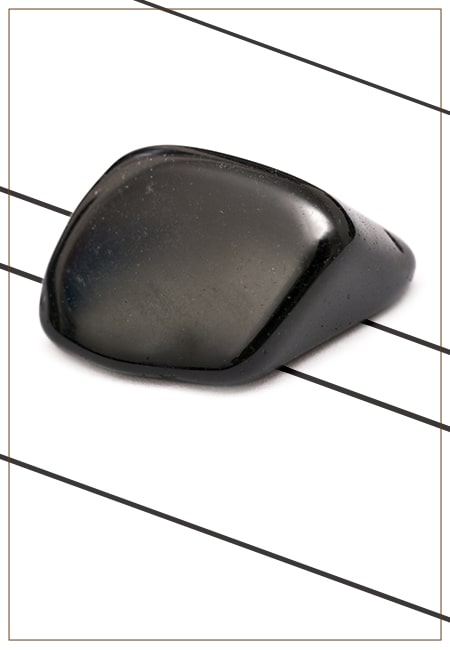
Black Onyx: Unveiling the Meaning, Healing Properties, Fascinating Facts, Powerful Attributes, Versatile Uses, and Beyond
July 25, 2023 / BY Team DWS
Black Onyx, a striking gemstone admired for its deep black hue and elegant appearance, has captivated people for centuries. In this comprehensive guide, we will delve into the mean ..
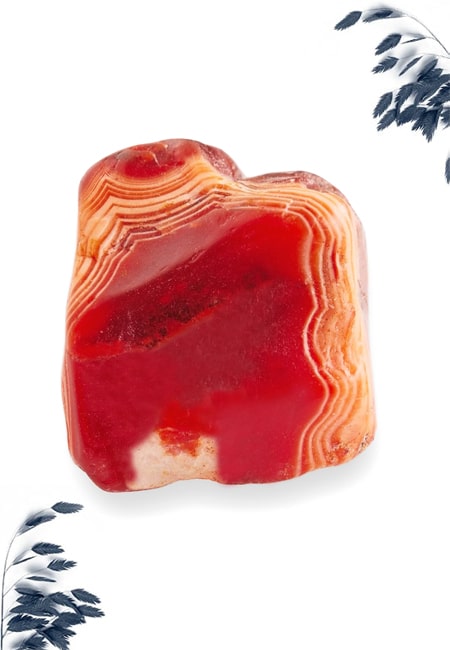
The History Behind The Popularity of Red Agate
December 23, 2022 / BY Team DWS
An Agate is a type of magma rock that takes many years till it is washed out naturally into the water. And that is the reason this stone has elements of water. This beautiful stone ..
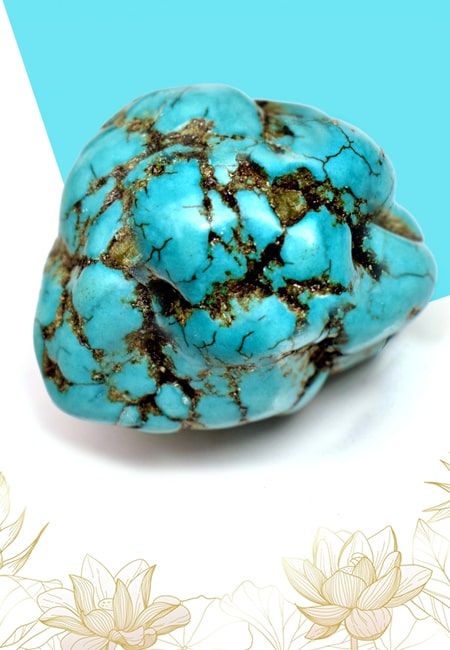
Unveiling the Mysteries of Turquoise Stone: Exploring its Meaning, Healing Properties, Power, Facts, Color, Uses, and More
December 05, 2023 / BY Team DWS
Turquoise, with its captivating blue-green hue, has been adorning jewelry and artifacts for centuries. This striking stone has a rich history, rich symbolism, and a plethora of int ..

Plan a Perfect Valentine's Week with Our Valentine Week List 2026
January 22, 2024 / BY Team DWS
Valentine's Day is undoubtedly the most romantic day of the year, but we believe that one day is just not enough to express your love and make your partner feel special. That's why ..
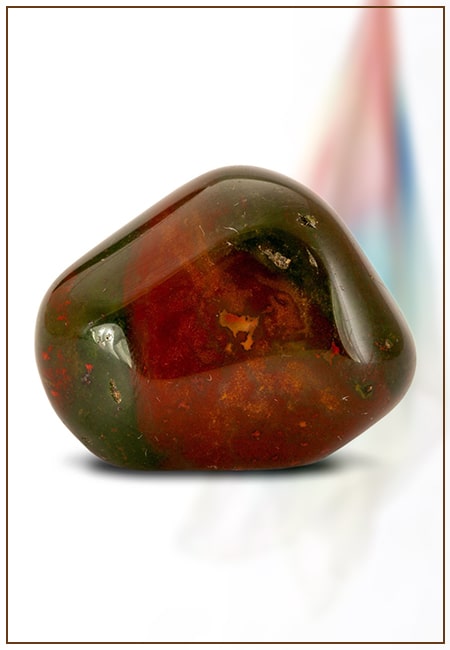
Bloodstone: Unveiling the Meaning, Healing Properties, Facts, Powers, Uses, and More
August 21, 2023 / BY Team DWS
Bloodstone, with its captivating deep green color with specks of red, is a mesmerizing gemstone that has fascinated civilizations for centuries. It possesses unique healing propert ..