


- Written By Team DWS
- Gemstones
- February 16, 2026
A Complete Guide to Natural Pink Gemstones and Their Unique Properties
Natural pink gemstones combine romance, rarity, and rich symbolism, making them some of the most desired stones in modern jewelry. From soft pastel rose tones to vivid magenta, pink gems offer options for every style, budget, and spiritual preference.
This guide explores what natural pink gemstones are, how their color forms, the most important pink stones on the market, their physical and metaphysical properties, how to choose the right gem for your jewelry, and how to care for them over time.
639068389346339707.jpg "A Complete List to Natural Pink Gemstones")
Why pink gemstones are so loved
Pink gemstones have long been associated with love, tenderness, compassion, and emotional connection, which is why they are popular choices for romantic gifts and engagement jewelry. Their range of hues—from barely there blush to saturated raspberry tones—allows designers and wearers to express everything from subtle elegance to bold personality in a single color family.
Historically, pink gems adorned royalty and high status individuals, reinforcing their links with luxury, refinement, and spiritual values across cultures. Today, pink stones are gaining even more attention as alternatives to traditional white diamonds in engagement rings and as meaningful pieces for self love and healing.
________________________________________
How pink color forms in gemstones
Pink color in gemstones is usually created by trace elements—tiny amounts of metals such as chromium, manganese, titanium, or iron that substitute in the mineral’s crystal lattice and change the way it absorbs and reflects light. For example, the delicate to intense pink color in sapphire is mainly caused by chromium within the corundum structure, with higher chromium levels producing deeper and more valuable shades.
In morganite, a pink variety of beryl, manganese is the primary colorant, often yielding soft peach pink tones that deepen with size or gentle heat treatment. Kunzite, a pink to violet variety of spodumene, also owes its color to manganese and is famous for pleochroism—the ability to show slightly different hues when viewed from different directions.
________________________________________
Overview of natural pink gemstones
There are dozens of pink gemstones, from ultra rare pink diamonds to widely accessible rose quartz and pink agate. Among the most sought after options for fine and fashion jewelry are pink diamond, pink sapphire, morganite, rose quartz, pink tourmaline, kunzite, pink spinel, rhodochrosite, rhodonite, and various pink topaz and garnet varieties.
Some of these are classified as precious gems (such as diamond and sapphire), while others are semi precious yet highly valued for their beauty, energy, and affordability. Together they create a complete palette of pink tones suitable for engagement rings, everyday wear, healing crystals, and collector pieces.
________________________________________
Pink diamond: the ultimate luxury
Natural pink diamonds are among the rarest and most expensive gemstones in the world, often priced between tens of thousands to over one hundred thousand dollars per carat depending on size and quality. Their hardness is 10 on the Mohs scale, making them the most durable pink gemstone and ideal for heirloom engagement rings and high end jewelry meant for daily wear.
The closure of Australia’s Argyle mine—once the primary source of high end pink diamonds—has further tightened supply and driven demand for both natural and lab grown pink diamonds. Lab created pink diamonds offer a similar look and excellent durability at a fraction of the cost, giving more buyers access to this iconic pink sparkle.
________________________________________
Pink sapphire: romantic strength and everyday wear
Pink sapphire is a pink variety of corundum, sharing the same mineral family as blue sapphire and ruby, and it reaches 9 on the Mohs scale, second only to diamond in hardness. Its color ranges from soft baby pink and pastel rose to vivid magenta and raspberry, with strong, evenly distributed pink tones commanding higher prices.
In jewelry, pink sapphire is loved as a durable alternative to both ruby and fancy colored diamonds, especially for engagement rings and fine fashion collections. Spiritually and in astrology, pink sapphire is associated with love, compassion, emotional clarity, and feminine energy, and in some Vedic traditions it is linked with benefits related to love, devotion, and strengthening relationships.
________________________________________
Morganite: soft, peach pink elegance
Morganite is a pink to peach variety of beryl—the same mineral family as emerald and aquamarine—renowned for its soft, romantic glow and excellent clarity. It typically rates around 7.5 to 8 on the Mohs scale, making it durable enough for engagement rings and everyday jewelry when set and cared for correctly.
Metaphysically, morganite is considered a high vibration heart chakra stone associated with unconditional love, emotional healing, and a gentle, calming energy. Many crystal practitioners describe it as a more intense, yet refined version of rose quartz, radiating peace, compassion, and a sense of joy and beauty in life.
________________________________________
Rose quartz: the classic stone of love
Rose quartz is one of the most widespread and recognizable pink gemstones, typically appearing in soft, milky pink tones with a translucent or cloudy appearance due to internal inclusions. Its hardness around 7 on the Mohs scale makes it suitable for pendants, beaded jewelry, and larger statement pieces, though extra care is recommended for high wear rings.
Rose quartz is widely known as the “stone of universal love,” often used in crystal healing to promote self love, emotional harmony, and gentle heart healing. Because it is affordable and readily available, it is a favorite for wellness oriented jewelry, meditation tools, and decorative carvings that combine beauty with nurturing energy.
________________________________________
Pink tourmaline: vivid color and versatility
Tourmaline occurs in a spectrum of colors, but pink tourmaline—including the deeper red pink variety often called rubellite—is one of the most popular and expressive. Its color spans from light blush to hot pink and deep magenta, with richly saturated stones particularly prized for high impact designs and alternative engagement rings.
On the Mohs scale, pink tourmaline usually falls between 7 and 7.5, offering a good balance of durability and brilliance for rings, earrings, and pendants when properly set. Energetically, pink tourmaline is often associated with emotional balance, openness to love, and releasing stress, making it a favorite in spiritual jewelry collections.
________________________________________
Kunzite: ethereal pink violet glow
Kunzite is a pink to violet variety of the mineral spodumene, admired for its delicate pastel hues and strong pleochroism, which can show slightly different colors from different viewing angles. It typically has a hardness of about 6.5 to 7, which is adequate for pendants and earrings but requires protective settings and mindful wear in rings.
In crystal healing traditions, kunzite is known as a stone of emotion and divine love, said to promote emotional healing, compassion, and alignment with the heart’s energies. Many wearers choose kunzite to ease anxiety, support self expression, and nurture gentle, heart centered relationships in both romantic and family contexts.
________________________________________
Pink spinel: bright sparkle without the sapphire price tag
Pink spinel has gained attention for its brilliant sparkle, vivid color, and excellent clarity, often rivaling sapphire while generally being more affordable. With a hardness of about 8 on the Mohs scale, pink spinel is strong enough for daily wear and makes an excellent center stone for engagement and cocktail rings.
Historically, many famous “rubies” in royal collections were later discovered to be spinel, reflecting its long standing importance as a red pink gemstone. Today, pink spinel is appreciated for its modern, fresh aesthetic, offering bright color and durability with a slightly more exclusive, under the radar feel than sapphire.
________________________________________
Rhodochrosite: banded beauty and emotional healing
Rhodochrosite ranges from soft pink to rich rose red, often forming with striking banded patterns that make it visually distinctive in carvings and cabochons. Its hardness around 3.5 to 4 means it is relatively soft, better suited to pendants, beads, and collector pieces than to heavy wear rings or bracelets.
Metaphysically, rhodochrosite is frequently described as a stone of self love and emotional healing, encouraging compassion toward oneself and the release of past wounds. For those who prioritize energy work and aesthetics over durability, rhodochrosite offers a powerful combination of visual interest and nurturing vibration.
________________________________________
Rhodonite: earthy pink with dramatic veining
Rhodonite typically appears as pink to rose red with characteristic black or dark veining, giving it a distinctive, earthy look that works beautifully in bold, statement jewelry. It generally measures about 5.5 to 6.5 on the Mohs scale, making it suitable for pendants, beads, and rings worn with some care to avoid scratching.
In crystal traditions, rhodonite is often recommended for emotional balance, forgiveness, and practical compassion—helping turn loving intentions into real world actions. Its strong visual identity and grounding energy make it a go to choice for those who want their pink gemstone jewelry to look artistic and feel emotionally supportive.
________________________________________
Pink topaz and other notable pink stones
Pink topaz—sometimes natural but often created through treatment—is valued for its bright, glassy luster, good hardness around 8, and relatively attainable price compared to many other vivid pink gems. Its durability makes it suitable for rings and high sparkle designs, provided the stone is protected from hard knocks that could cause cleavage.
Beyond the big names, there is a long list of other pink stones including pink zircon, pink moonstone, pink coral, pink pearls, pink agate, and strawberry quartz, each with its own look and value range. These gems are often used in fashion jewelry, beaded designs, and spiritual accessories where color and symbolism matter more than rarity alone.
________________________________________
Physical properties that matter for jewelry
When choosing a pink gemstone for jewelry, hardness and toughness are crucial, because they determine how well a stone resists scratching and chipping in everyday wear. Diamonds and sapphires (including pink sapphire) sit at the top of the durability spectrum, followed by spinel, topaz, tourmaline, morganite, and quartz, while softer stones like rhodochrosite, fluorite, and coral need gentler use.
Clarity and brilliance also influence how lively and luxurious a stone appears; gems like pink sapphire, spinel, and morganite can be cut to showcase exceptional sparkle when they have few visible inclusions. By contrast, stones such as rose quartz and rhodochrosite tend to be more translucent or opaque, so their charm comes from color, pattern, and size rather than high brilliance.
________________________________________
Metaphysical and emotional meanings of pink stones
Across crystal healing and spiritual traditions, pink stones are strongly associated with the heart chakra, love, compassion, and emotional healing. Rose quartz is widely regarded as the stone of universal love and self acceptance, while morganite and kunzite are seen as higher vibration heart stones that connect the wearer to divine love and gentleness.
Pink sapphire and pink tourmaline are often linked to balanced relationships, emotional clarity, and courage to open the heart while maintaining boundaries. Rhodochrosite and rhodonite, on the other hand, are frequently recommended for inner child healing, forgiveness, and turning emotional insight into everyday compassion.
________________________________________
Choosing the right pink gemstone for your purpose
For an engagement ring or daily wear band, durability should be the first filter, making pink diamond, pink sapphire, spinel, tourmaline, and morganite top candidates. Those who want maximum longevity with minimal maintenance may gravitate toward pink diamond or sapphire, while morganite and tourmaline appeal to buyers seeking a softer, more romantic look at a friendlier price point.
If the primary goal is emotional or spiritual support rather than daily wear, options like rose quartz, kunzite, rhodochrosite, and rhodonite become especially attractive. For statement necklaces, meditation pieces, and in home crystals, larger, more affordable pink stones can create a significant energetic and visual impact without the budget of fine gemstones.
________________________________________
Buying tips: quality, treatments, and authenticity
Color is the single most important value driver in most pink gemstones: intense, evenly distributed hues generally command higher prices than very pale or unevenly colored stones. For example, vivid bubblegum or raspberry pink sapphires and richly saturated pink tourmalines typically sell at a premium over washed out or brownish tones.
Many pink gemstones are heat treated or otherwise enhanced to improve color and clarity, especially sapphire, topaz, and some varieties of morganite, and such treatments are widely accepted when properly disclosed. Because treatments can affect both value and care requirements, buyers should ask for documentation from reputable sellers and prefer stones accompanied by lab reports or clear treatment disclosures when purchasing higher value pieces.
________________________________________
Natural vs lab created pink gemstones
Lab created pink sapphires and diamonds have the same fundamental chemical and physical properties as their natural counterparts but are grown in controlled environments. These stones usually offer cleaner clarity and more consistent color at significantly lower prices, making them attractive choices for buyers prioritizing aesthetics and budget over natural rarity.
For customers who value rarity, history, and collectability, natural stones—especially pink diamonds and fine pink sapphires—retain a special prestige that lab grown options cannot fully replicate. Many modern consumers, however, opt for a mix: a natural center stone for sentimental pieces and lab created stones for trendy or larger designs.
________________________________________
Ethical sourcing and certification
Ethical sourcing has become an important consideration in colored gemstone buying, including pink stones. While full traceability can be complex, working with vendors who prioritize responsible mining, fair labor practices, and transparent supply chains helps align jewelry purchases with personal values.
For higher value gems such as pink diamond, pink sapphire, and fine tourmaline or spinel, certification from recognized gemological laboratories can provide reassurance regarding authenticity, natural origin, and disclosed treatments. These reports support informed decision making and make it easier to compare stones by color, clarity, and other key quality indicators.
________________________________________
Caring for natural pink gemstone jewelry
Care requirements differ significantly from stone to stone, so knowing your gem’s hardness and toughness helps prevent accidental damage. Diamonds, sapphires, spinel, and tourmaline can generally be worn daily with routine care, while softer materials like rhodochrosite, coral, and pearls should be kept away from hard knocks, chemicals, and prolonged water exposure.
As a general rule, pink gemstone jewelry should be removed before heavy physical activity, stored separately to avoid scratching, and cleaned gently with mild soapy water and a soft brush unless a professional jeweler advises otherwise. Ultrasonic or steam cleaners are best reserved for harder stones such as diamond and sapphire and should be avoided for more fragile gems like kunzite, opal, and porous or heavily included materials.
________________________________________
Trends in pink gemstone jewelry
Pink gemstones have seen a sharp rise in popularity for engagement rings, with many couples choosing pink sapphire, morganite, or pink tourmaline as distinctive center stones instead of traditional white diamonds. This shift reflects a broader trend toward personalization, symbolic color choices, and gemstones that express individuality and romance in a more obvious way.
Beyond bridal, pink stones feature heavily in stackable rings, layered necklaces, and delicate bracelets that combine multiple shades of pink or mix pink gems with white diamonds and colored sapphires. Designers also increasingly incorporate rough or cabochon cut rose quartz, rhodochrosite, and rhodonite in bohemian and wellness inspired collections that emphasize texture, energy, and natural beauty.
639068389882439318.jpg "Gemstone Jewellery Manufacturer from India")
Design ideas with pink gemstones
For a timeless yet modern engagement ring, one popular design pairs an oval or cushion cut pink sapphire or morganite with a halo of white diamonds on a slim band, balancing color, sparkle, and everyday practicality. Those wanting bolder looks might opt for a vivid pink tourmaline or spinel in a geometric cut, set in rose gold to amplify warmth and contrast.
In fashion jewelry, layering multiple pink gemstones—such as rose quartz beads with a morganite pendant and tiny pink tourmaline accents—creates dimensional, on trend styling that also aligns with emotional and spiritual themes of love and compassion. Statement cuffs or cocktail rings featuring banded rhodochrosite or veined rhodonite can serve as artistic centerpieces, especially for clients who want their jewelry to feel both expressive and meaning rich.
________________________________________
This complete guide gives you a structured foundation to spotlight natural pink gemstones in educational blogs, buying guides, and product linked content, while aligning with both jewelry industry facts and crystal healing perspectives.
Popular on Blogs
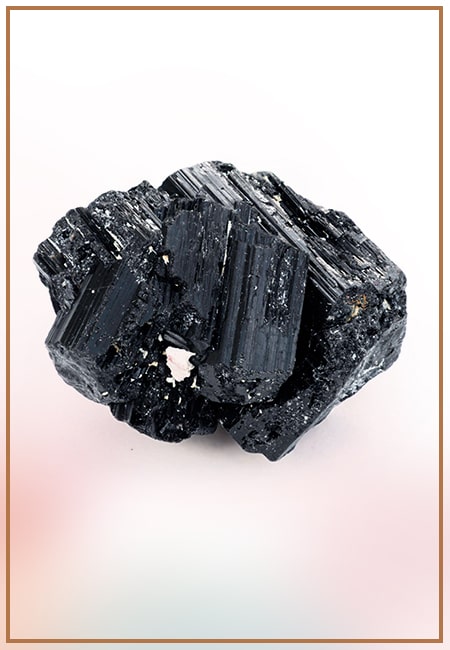
Black Tourmaline: Meaning, Healing Properties, Fascinating Facts, Powerful Attributes, Versatile Uses, and Beyond
September 05, 2023 / BY Team DWS
Black Tourmaline, also known as Schorl, is a highly revered crystal with incredible metaphysical properties. It derives its name from the Dutch word "turamali," meaning "stone with ..
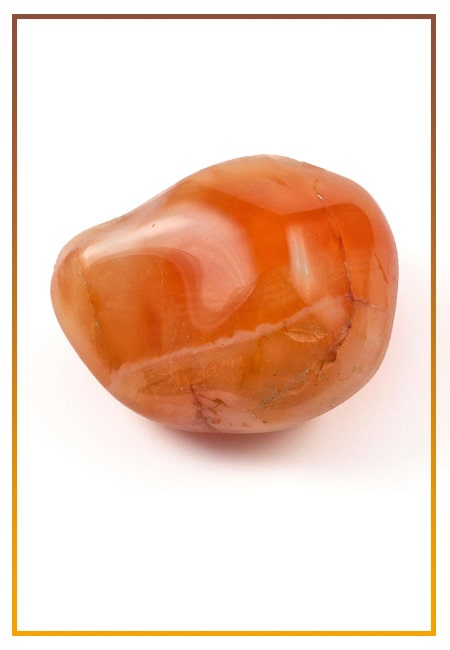
Carnelian Stone: Meaning, Healing Properties, Power, Facts, Color, Uses and More
December 26, 2023 / BY Team DWS
Carnelian is a vibrant and captivating gemstone that holds a plethora of meanings, healing properties, and powers. Its warm and fiery energy makes it a popular choice among crystal ..
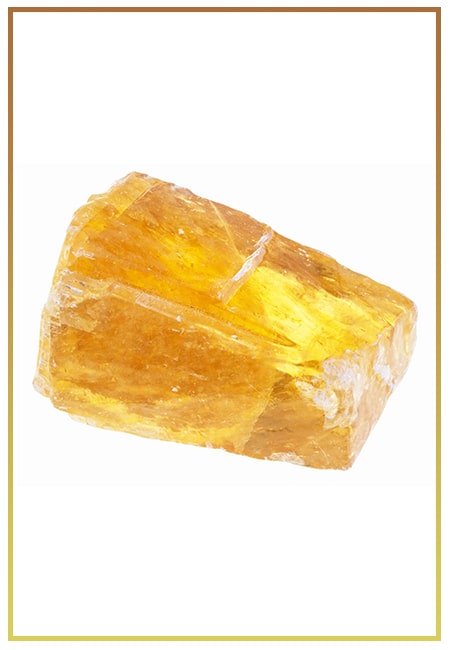
Citrine: Exploring its Meaning, Healing Properties, Fascinating Facts, Powers, Versatile Uses, and Much More
November 18, 2023 / BY Team DWS
Citrine, with its warm golden hues, has captured the attention and imagination of people for centuries. This beautiful gemstone, commonly associated with wealth and prosperity, hol ..
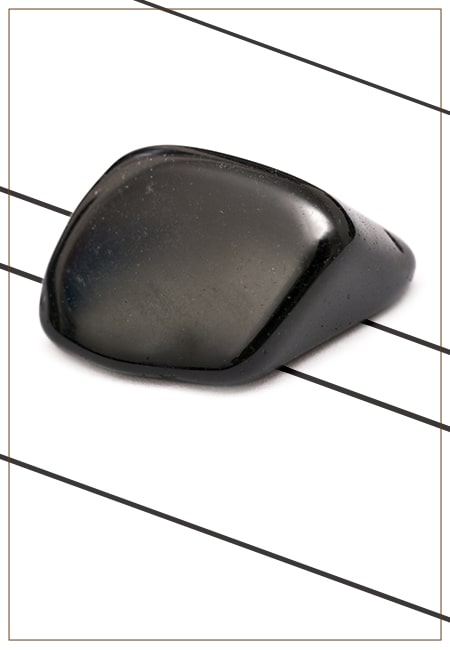
Black Onyx: Unveiling the Meaning, Healing Properties, Fascinating Facts, Powerful Attributes, Versatile Uses, and Beyond
July 25, 2023 / BY Team DWS
Black Onyx, a striking gemstone admired for its deep black hue and elegant appearance, has captivated people for centuries. In this comprehensive guide, we will delve into the mean ..
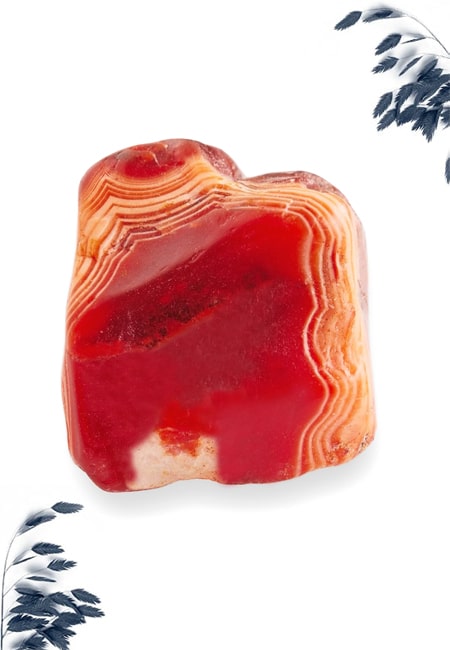
The History Behind The Popularity of Red Agate
December 23, 2022 / BY Team DWS
An Agate is a type of magma rock that takes many years till it is washed out naturally into the water. And that is the reason this stone has elements of water. This beautiful stone ..
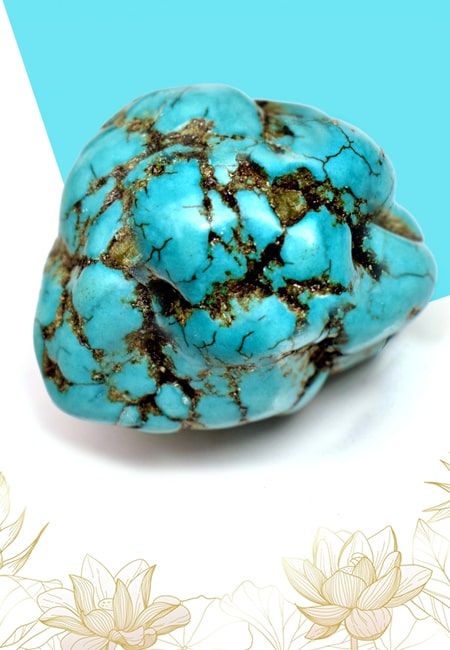
Unveiling the Mysteries of Turquoise Stone: Exploring its Meaning, Healing Properties, Power, Facts, Color, Uses, and More
December 05, 2023 / BY Team DWS
Turquoise, with its captivating blue-green hue, has been adorning jewelry and artifacts for centuries. This striking stone has a rich history, rich symbolism, and a plethora of int ..

Plan a Perfect Valentine's Week with Our Valentine Week List 2026
January 22, 2024 / BY Team DWS
Valentine's Day is undoubtedly the most romantic day of the year, but we believe that one day is just not enough to express your love and make your partner feel special. That's why ..
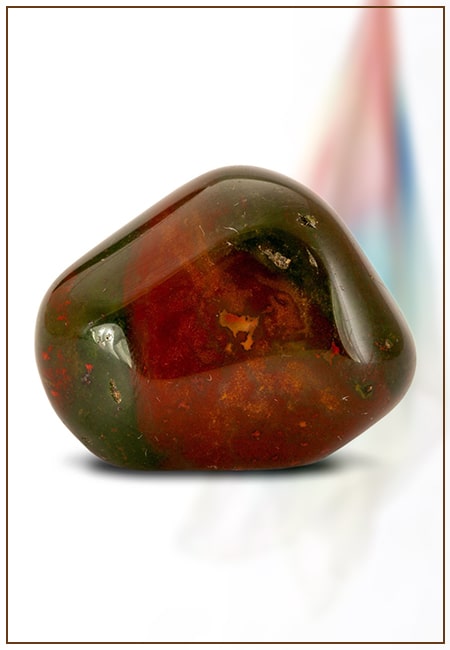
Bloodstone: Unveiling the Meaning, Healing Properties, Facts, Powers, Uses, and More
August 21, 2023 / BY Team DWS
Bloodstone, with its captivating deep green color with specks of red, is a mesmerizing gemstone that has fascinated civilizations for centuries. It possesses unique healing propert ..