


- Written By Team DWS
- Gemstones
- March 12, 2026
Shades of the Sky: An Overview of Turquoise Gem Types
Jewelry aficionados have loved turquoise for thousands of years (while turquoise has been worn by everyone: from ancient Egyptians to modern designers and crystal fans). Turquoise's beautiful light blue/green shade is one of the most visible shades of gemstones, and is compared with the color of the summer sky or the ocean's water.
The first surprise for people who learn about turquoise is that there are many varieties of turquoise gemstones, in addition to their distinctive colors. All turquoise will have similar properties of light blue, medium blue, teal/green, or dark green; however, some stones will produce visual effects such as dramatic spider-web-like textures, and others will not. The varying areas producing turquoises, combined with the specific turquoise color or style from each mine will produce the wide variety of turquoise gemstone colors and designs that people will experience when they start becoming aware of and purchasing turquoise.
In this series of posts, we will explore the various "shades of the sky" that are present within turquoise's beautiful color spectrum. We will also explain how each type of turquoise gemstone can be identified based on the visual parameters of color, matrix, mine of origin, and final treatment; in addition to providing guidance on how to select the best types of turquoise for your own jewellery designs or personal collections.
639089346469758161.jpg "Shades of the Sky: Exploring Different Types of Turquoise Gemstones")
Turquoise - Where Does It Come From?
Before we can fully appreciate both the differences and similarities of the various types of turquoise gemstones, we should first look at what turquoise actually is and the reasons as to why it is visually unique to itself. Turquoise is considered a "hydrous" or hydrated copper and aluminum phosphate as it forms in dry, copper-containing regions of Earth, where ground water containing copper, aluminum and phosphate interacts with dry rocks or soil, causing turquoise to form along S-shaped veins, in small pockets, and large masses.Turquoise’s formation occurs over millions of years and is directly related to the local geology in which it is formed.
Turquoise forms in the cracks and voids of the encasing rock material (host) and as a result, it may contain pieces of that rock (called matrix) that are visible as vein-like or irregular patches (the matrix). These matrix patterns are one of the most significant ways that differentiate different types of turquoise from one another, and they may be subtle or bold.
Turquoise has been historically mined for centuries and has been used as a treasured stone by:
- Ancient Egyptians and the Sinai Peninsula
- Persians (Iran)
- Central Asia along the Silk Road
- The American Southwest (Arizona, Nevada, New Mexico)
- China and parts of Tibet and Mongolia
The use of turquoise has transcended cultures, and throughout history it has been used as symbols of protection, luck, and strength. Many warriors carried turquoise as a lucky charm, and it was also carried by travelers on long journeys for protection. Royalty have adorned themselves with turquoise by incorporating it into crowns, masks, and ceremonial jewelry.
________________________________________
Why Is There So Much Variety In Turquoise?
There’s no denying the fact that if you line up several pieces of turquoise side by side, you will easily see that the colours are varied. The primary reasons that create this variability are:
- Colour
- Matrix (pattern)
- Origin and geology
Let’s take a closer look at each of these three characteristics.
Colour – Range Of Blues And Greens
Turquoise can range in colour from the following:
- Pale, almost powdery blue
- Plain old “robin’s egg” blue
- Blue-green teals
- Olive/Apple/Moss Green
The blue colour of turquoise is directly attributed to the presence of copper, and the presence of iron or trace elements can cause the colour to shift toward the green range of colours. Minor variations in the chemical make-up, oxidation and/or environmental conditions can result in drastic differences in colour. What Can You Expect When Choosing a Turquoise Stone With Color As An Essential Criteria For Evaluation? Some General Guidelines Can Help You Make Good Choices!
- The hue (or color) of turquoise is one of its primary identifying characteristics. For most collectors the best stones are clear, bright, pure blue in color; however, there are many shades of blue-green or green turquoise that are stunning as well and can make excellent collectors’ items especially when they have an interesting matrix (pattern of rock) within them.
- The “matrix” of turquoise can be explained as the remnants of the host material that are left within the stone; it's essentially the leftover rock that grew around the turquoise crystal. A matrix can be spiderweb-like or vein-like in appearance or may look like patches of clouds or spots like a Dalmatian. The tone of the matrix depends on the original host material out of which the turquoise formed. Many purists prefer to have clean turquoise with no matrix whatsoever while others love to collect turquoise that contains very distinctive spiderweb matrices.
- The source of the turquoise is a very important part of evaluations; some older mines are quite well known and produce based on specific characteristics. For instance, some of the American mines are famous for thick bold matrices with a variety of multiple shades, while Persian turquoise is known for brilliant rich blue coloring, very little matrix and the highest degree of purity. Chinese and Tibetan turquoise usually display a lot of matrix running through them and tend to produce earthy looking turquoise that has that handcrafted feel. Because many of the classic turquoise mines are now depleted (not yielding as much) there is an increasing value placed on the beauty and historical significance of turquoise from these classic locations, especially now that they are scarce.
_______________________________________
Examples of Popular Types of Turquoise are Based on Their Colors
The easiest way to identify types of turquoise is by their coloring. Here are the four major types of turquoise by color. Often referred to as robin's egg blue, this is a highly desired color of turquoise for use in high-end jewelry.
Characteristics include:
- An even and intense blue color
- A very light or no visible matrix
- A strong and luxurious look that works well with diamonds, white metals, and other high-end designs.
This type of turquoise is the ideal stone for engagement-style pieces, premium pendants, and statement pieces where the color needs to be elegant and refined.
Blue and Green Turquoise
Blue and green turquoise is a combination of blue and green hues that exhibits a refreshing, water-like quality. It can be rich teal, or pale aquamarine.
Characteristics include:
- A mixture of blue and green color
- It is used in designs that reflect the bohemian lifestyle, designs inspired by the ocean, and everyday casual fashion.
- There may be fascinating matrix patterns on the stones that contribute to their natural appearance.
This color of turquoise is perfect for everyday jewelry, casual clothing, and designs that evoke water, freedom, and nature.
Green Turquoise
Green turquoise comes in many shades ranging from mint or apple green to dark mossy green. The variations in color are due to the chemical composition of the turquoise, as well as the oxidation process.
Characteristics include:
- A warm, natural look
- It complements yellow gold, rose gold, and rustic silver settings very well.
- It is often used in ethnic, tribal, and vintage style jewelry.
Green turquoise is an excellent alternative when someone wants a gemstone that has a natural, earthy feel and has a different look than traditional blue gemstones.
Variegated and Multicolored Turquoise
Some pieces of turquoise are two or more colors in the same stone (e.g., the center is blue and fades out to green), or two or more different colors in the same piece of turquoise (e.g., the color is mixed between blue and green).A lot of those multi-colour pieces will really catch your eye.
The Highlights:
- An extreme degree of uniqueness exists; no two stones look alike.
- Powerful for custom or unique pieces.
- The primary, or focal point, of the design; few or no gemstones are present to enhance the pieces.
These stones are always admired by designers due to their ability to represent a story in one piece that resembles a small representation of the earth, ocean, and sky.
 - Copy639089354536174763.jpg "Turquoise Gem Jewelry Collection for Summer")
Matrix Patterns: Spiderweb, Veined, and Clean Turquoise
Next in dimension is the type of matrix pattern. Within a specific colour range, turquoise can be totally different visually because of the nature of the matrix.
Matrix Free or Clean Turquoise
Matrix free turquoise is smooth with no interruptions to the colour, only pure colour.
- Works well in higher end, clean lined; modern designs.
- Good match in pairs or groups for earrings and bracelets.
- Has a polished and luxurious look; ideal for classic single stone rings or elegant bezel set pendants.
Spiderweb Turquoise
Spiderweb turquoise has very thin, intertwined lines of matrix producing a spider web pattern over the stone.
- Matrix can be black, brown, or gold.
- It is a very sought after item if the web is thin and evenly spaced.
- Adds dramatic texture and depth to the stone, does very well in statement rings, bold cuffs, and artisan pieces, especially when the web pattern is an essential part of the design.
Veined and Patchy Matrix
Ironically, there are a lot of
- The contrasting colors of both stones will really pop when combined.
- The unique appearance of each stone will lend itself nicely to custom one-of-a-kind designs.
- Turquoise is often featured prominently in rustic bohemian, southwestern-style jewelry.
A designer may choose to orient a piece's turquoise stone(s) with a particular vein or other feature to "frame" what amounts to a piece of artwork found in nature.
Regional Sources: Types of Turquoise by Location
For illustrative purposes, let's take a look at examples of turquoise types by the location where they came from. Although the names of specific mines may have very precise geological characteristics, the marketplace will, in many cases, see turquoise referred to generally by more regional areas of origin.
Turquoise from the USA
There is no turquoise more beloved than that which has been mined in various states throughout the American southwest—particularly in Arizona and Nevada. Each mining region produces turquoise with certain similarities in terms of the finished product's characteristics (i.e. look). For example:
- The majority of the turquoise produced today from the USA is medium to bright shade blues with a variety of matrix types associated with those shades.
- While blue-green, green, and the vast majority of the turquoise having little to no visible matrix usually exhibit dramatic patterns.
- Sending blue-green and green varieties are generally produced, both cleaned and spiderweb varieties.
Native Americans have long used turquoise for creating many different forms of jewelry—examples would be inlays, squash blossom necklaces, cluster rings, and heavy silver cuff bracelets. Turquoise from the USA has been used for the last several decades to create statement pieces, and any collector of turquoise will be attracted to southwestern-style jewelry produced by Native American artisans.
"Persian" Style Turquoise
Turquoise resembling that produced in ancient Persia, now known as Iran, is referred to as "Persian" style turquoise. Historically speaking, Persian turquoise served as the standard for what was considered to be fine quality turquoise. Generally speaking, "Persian style" should be used to describe:
- Turquoise produced in Persia, with a vivid and saturated sky-blue base colour; very little or, in some cases, no visible matrix; a very high polish and a very dense structure.
While genuine Persian turquoise is becoming increasingly rare and highly coveted, many merchants sell stone(s) that otherwise appear as if they came from Persia, but actually are not. These stones are sold as being of "Persian" quality in order to suggest that there is a greater value in them than there is; the reality is, however, that not all turquoise that is sold as being of "Persian" quality came from Persia.This style is suited for luxurious jewelry, traditional fine art, and special events that require a very sophisticated and gem-like appearance.
Chinese/Tibetan Turquoise
Chinese and Tibetan turquoise are among the most important sources of turquoise to the modern marketplace. Characteristics of turquoise from these areas are:
- A wide variation of blue and green hues
- Layered matrix patterns, including spider webbing and patchwork patterns.
- A rustic/artisanal look.
The turquoise from these areas has a very popular place in fashion jewelry and is widely used in beaded strands, mala beads and ethnic designs. Spiritual/meaningfulness and artistry of handcrafting are two important features of turquoise for many people.
________________________________________
Natural, Stabilized and Treated Turquoise
When you look at different forms of turquoise you will most likely see the terms "natural", "stabilized" and "treated". These are almost equally as important as a color, or pattern, or origin.
Natural Turquoise
Natural turquoise has not been stabilized beyond simple cutting and polishing.
- Usually quite rare and expensive
- Some Nat Turk will be soft and porous and will absorb oils and darken with age.
- Very highly sought after by collectors and connoisseurs of turquoise.
If you buy Tuck as an investment or for fine jewelry, typically the highest value will be achieved by natural Turk. The best Turk is found in highly reputable locations.
Stabilized Turquoise
Many frigging deposits will yield material that is softer and more porous than desired for everyday use. To assist in making these deposits usable, the material is stabilized by impregnating with a clear resin or an equivalent product.Benefits:
- Increased Hardness and Durability
- Improved Color Retention and Stain Resistance
- More Affordable and Accessible Turquoise
Stabilized turquoise is used commonly in the fashion industry as well as in mid-range jewelry lines. It allows you to wear large pieces and intricately designed pieces without having to be overly worried about their fragility.
Dye/Treat or Enhance Turquoise
Many pieces of turquoise are dye- or color treated to either enhance their natural beauty or provide them with an artificial new look. This would include; the dye used for blueing, using heat or a chemical agent to blue, etc. While dyed/treat/enhanced turquoise may look great at first, they can fade and change over time. Also, dyed/treat/enhanced turquoise is generally not worth as much as natural or stabilized turquoise and should be disclosed in writing to the customers by responsible sellers.
Dyed turquoise is generally a suitable option for budget-friendly jewelry, however, you must be clear as to what you purchase and have an understanding of the possible long-term affects on your appearance.
Reconstituted/Composite Turquoise
In some instances, small chips of turquoise (or turquoise dust) are mixed with adhesives to create composite turquoise (reconstituted turquoise) or blocks of turquoise.
- Utilizes otherwise-useless material
- Typically a very inexpensive option
- Used primarily within the field of inexpensive jewelry assortments
Composite turquoise is visually appealing; however, they do not afford as much value to solid natural or stabilized turquoise pieces.
__________________________________________
How do I find the right type of turquoise for my jewelry?
Because there are so many types of turquoise based on their color, appearance, country of origin and treatments, matching up a specific type to a specific desired purpose may seem like an overwhelming task. The best method for accomplishing the goal of finding qualified turquoise for a desired use is matching Jewelry that will likely see a lot of wear (rings, bracelets and or pendants) should have the following lettering and/or colours when purchasing or designing such an item:
- Uses of stabilized turquoise.
- Styles that will be medium to darker blue or blue/green, more likely than a light-colour, when determining the durability of the item.
- Stones that have some form of matrix.
These types of pieces are designed to present a balance between aesthetic and functional utility in order for the wearer not to be concerned with scratching or staining of the stone in question.
With respect to engagement rings, family heirloom pieces or upscale gift items, consider the following:
- High grade natural turquoise, very strong in colour blue.
- Minimal matrix on the stones, clean and well-defined look, although depending on your preference small, spider web type matrices may still work.
- Cabochons are well cut, polished and symmetrical; however, poorly matching stones (polished shape or cut are less significant).
For the aforementioned styles, a combination of rarity, design and long-term value will play a part in one's purchasing decisions.
The artistic/ethnic/bohemian design components of the actual stones display the various colours of the stones with respect to blue and green colours and the use of complimentary matrix patterns in the overall design:
- Blue and green stones (irrespective of shape/size) with heavy matrix.
- The spider web design (great visual impact).
- Free form cabochons that are large and the string types of beads associated with the free form shape also.
This design type uses the raw energy of turquoise to connect the stone to both the culture and nature of its design creator through a creative design process.Turquoise is one of the oldest gemstones in existence and has been used in jewelry and other crafts for centuries. You can sue turquoise for more than just beautiful jewelry. As it relates to healing and spirituality, many people use turquoise for crystal healing and other types of spiritual practices.
A good majority of people associate turquoise with:
- Communication and self-expression
- Protection and balance
- Soothing of emotional energies
People who utilize turquoise for these types of purposes tend to select turquoise based on how the stone “feels” to them. This could be due to:
- Color—if a person resonates the soft sky blue of turquoise with calmness and tranquility, or the deeper blue-green of turquoise with grounding energy (these stones will be chosen in different proportions).
- Organic matrix—if the stone appears “alive” and has an organic feeling to the person.
- Bearings, pendants or talismans that are to be worn in close proximity to the body for extended periods.
Maintaining Different Types of Turquoise
Turquoise in all of its varieties are softer than most of the other popular gemstones. If properly cared for, turquoise can maintain its beauty.
The following aspects are important to remember when you are taking care of your turquoise:
- Avoid exposing your turquoise to harsh chemicals, fragrances and cosmetics.
- Remove your turquoise rings/bracelets prior to participating in heavy work, sports, or cleaning.
- Store your turquoise jewelry separately by placing each piece in a soft pouch to help avoid damage (scratches, etc...)
- Clean turquoise with a slightly damp or dry soft cloth—avoid using ultrasonic cleaning/vibrating machines or steam cleaners.
Natural turquoise typically will be more sensitive to oils and water than stored turquoise, and therefore, you should take extra good care of your highest grade natural turquoise.
Bringing the Sky to Your Jewelry Box
Turquoise is truly a gemstone that has something to offer everyone. Whether you are drawn to the pure and luxurious shine of the clean sky blue of turquoise or the unique and characteristic spider web that appears within the stone or the earthy feel of the green and blue-green natural cabochons, you will find that there is a turquoise gemstone that has been made for you.
Turquoise will not only be a “blue stone” to you once you understand the different types of turquoise: type of color, type of matrix, type of origin and type of treatment. You will be purchasing a specific type of nature created through millions of years of stone formation, from the top of the earth’s soil to the bottom and finally put together by human hands.
As you search for turquoise for your next design or purchase, let the different varieties of turquoise lead you in your quest for turquoise gemstones. Observe the colors in the turquoise, identify the paths of the matrix and you will draw toward those pieces that were created for you. You will find the sky’s perfect shade of blue or green in one of those turquoise gemstones.
Popular on Blogs
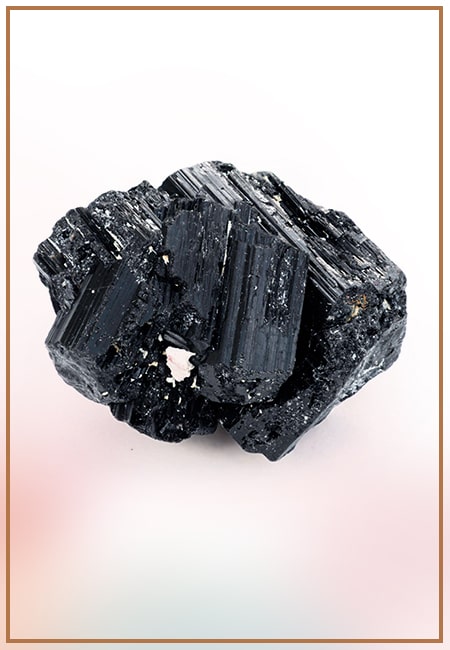
Black Tourmaline: Meaning, Healing Properties, Fascinating Facts, Powerful Attributes, Versatile Uses, and Beyond
September 05, 2023 / BY Team DWS
Black Tourmaline, also known as Schorl, is a highly revered crystal with incredible metaphysical properties. It derives its name from the Dutch word "turamali," meaning "stone with ..
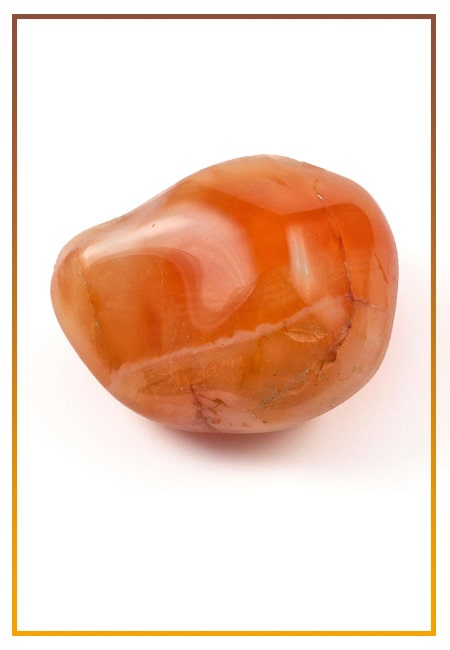
Carnelian Stone: Meaning, Healing Properties, Power, Facts, Color, Uses and More
December 26, 2023 / BY Team DWS
Carnelian is a vibrant and captivating gemstone that holds a plethora of meanings, healing properties, and powers. Its warm and fiery energy makes it a popular choice among crystal ..
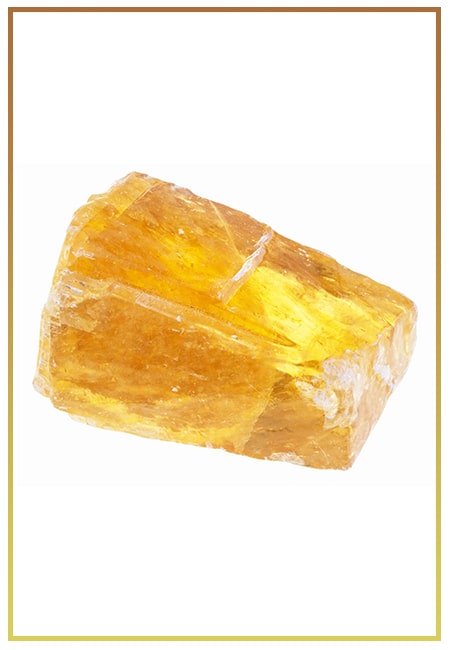
Citrine: Exploring its Meaning, Healing Properties, Fascinating Facts, Powers, Versatile Uses, and Much More
November 18, 2023 / BY Team DWS
Citrine, with its warm golden hues, has captured the attention and imagination of people for centuries. This beautiful gemstone, commonly associated with wealth and prosperity, hol ..
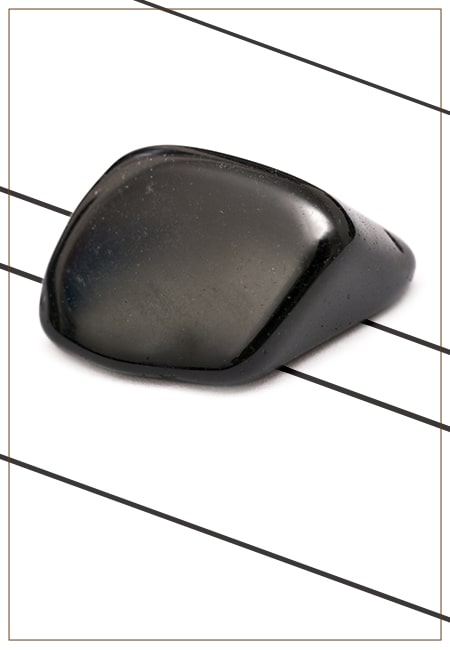
Black Onyx: Unveiling the Meaning, Healing Properties, Fascinating Facts, Powerful Attributes, Versatile Uses, and Beyond
July 25, 2023 / BY Team DWS
Black Onyx, a striking gemstone admired for its deep black hue and elegant appearance, has captivated people for centuries. In this comprehensive guide, we will delve into the mean ..
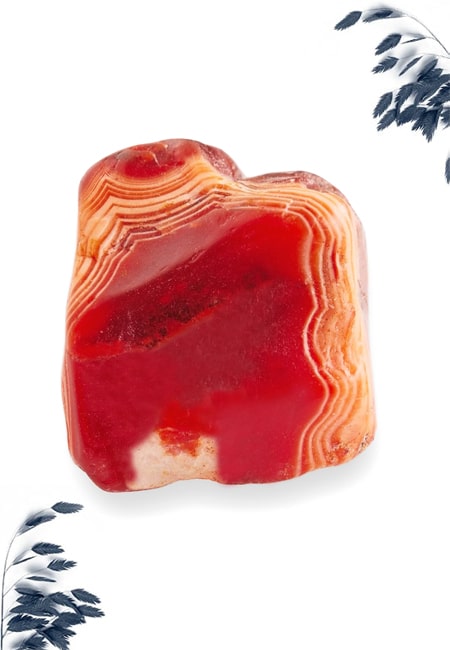
The History Behind The Popularity of Red Agate
December 23, 2022 / BY Team DWS
An Agate is a type of magma rock that takes many years till it is washed out naturally into the water. And that is the reason this stone has elements of water. This beautiful stone ..
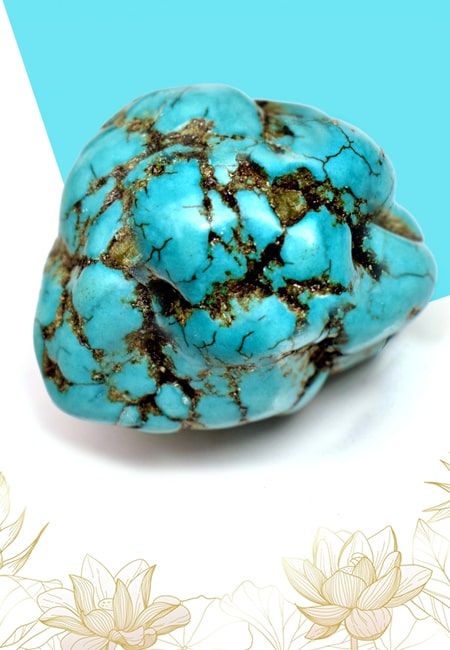
Unveiling the Mysteries of Turquoise Stone: Exploring its Meaning, Healing Properties, Power, Facts, Color, Uses, and More
December 05, 2023 / BY Team DWS
Turquoise, with its captivating blue-green hue, has been adorning jewelry and artifacts for centuries. This striking stone has a rich history, rich symbolism, and a plethora of int ..

Plan a Perfect Valentine's Week with Our Valentine Week List 2026
January 22, 2024 / BY Team DWS
Valentine's Day is undoubtedly the most romantic day of the year, but we believe that one day is just not enough to express your love and make your partner feel special. That's why ..
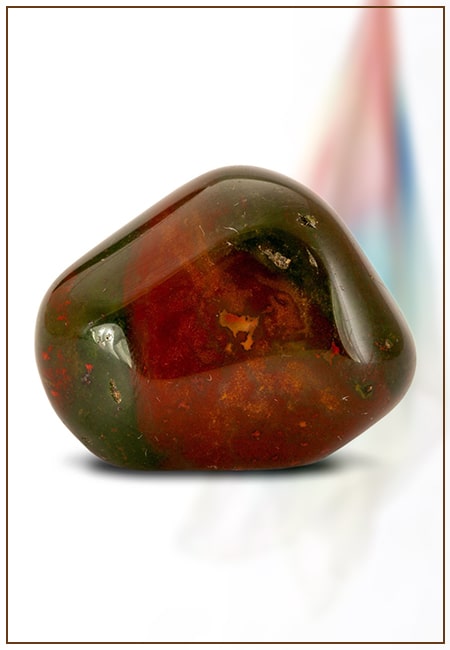
Bloodstone: Unveiling the Meaning, Healing Properties, Facts, Powers, Uses, and More
August 21, 2023 / BY Team DWS
Bloodstone, with its captivating deep green color with specks of red, is a mesmerizing gemstone that has fascinated civilizations for centuries. It possesses unique healing propert ..