


- Written By Team DWS
- Gemstones
- March 27, 2026
A Complete Guide to All Types of Druzy Stones
Druzy stones are a popular addition to modern jewelry and crystal collections because of their sugary sparkle, ability to come in many different colors and ease of purchase when compared to other types of larger, faceted gemstones. However, the world of druzy stones is much more than glimmering stones; it is full of incredible geological features, various types of druzy stones (many with trade names), and a variety of natural and man-made treatments of various types of druzy stones. This reference guide serves to give a practical introduction through a jewelry-related glossary to all the available types of druzy stones in the marketplace today.
What Exactly Is Druzy?
In its simplest form, the term “druzy” (also known as drusy, druse, and druze) does not refer to any one mineral; rather, it denotes a texture that occurs naturally as a coating of minute crystals that develop on the exterior of a certain type of stone (host rock) or mineral, typically either inside of a cavity or along an area where the rock or mineral has fractured. Through a high power magnification, one can see each small crystal appears as many tiny dot fields. However, there are many crystals that are visually represented as sparkling sugar or frost.
The way that druzy forms is through the infiltration of groundwater rich in minerals into an open cavity in stone; as the water seeps into the cavity, it slowly deposits minerals contained within the water onto the walls of the cavity and forms crystals as the ground water cools or evaporates naturally. The layer of micro-crystals continues to accumulate for thousands of years to millions of years, forming a thick coating of micro-crystals, giving the beautiful sparkling appearance that many people desire from their jewellery and in their home decor.
There are many types of druzy, reflecting how many minerals may crystallize in this format; however, over 90-95% of commercially available druzy is quartz-based, due to the fact that silica is the most common mineral found in earth's crust and quartz is very resilient to outer conditions. The other 5-10% of druzy available commercially will typically contain garnish (uvarovite being one of the most common types), pyrite, hematite, chrysocolla, calcite, azurite, dioptase, turquoise, and a number of other minerals.
Quick Geological Primer on the Formation of Druzy
While different types of druzy have distinct properties, most have a similar story of formation:
Cavities that allow druzy to form are created through many different geological processes, including eruptions of volcanic gas (by way of vapor) within rock; dissolving minerals; tectonic rupturing and/or fracturing of the rock; and/or through erosion processes of water or wind where the rock is broken down.
Once there is a cavity in which to form druzy, a wealth of mineral-rich fluids (groundwater from precipitation or hydrothermal fluids) saturated with dissolved silica and other minerals can enter into it.
Dissolved Minerals will settle, crystallize and precipitate on the surface of the cavity, where they will form druzy as these fluids cool or evaporate.
The continual entry of additional mineral-rich fluid will form additional layers of tiny crystals in a very tightly packed fashion, resulting in a complete covering of the surface of the cavity by these tiny points of crystal.
The size of the crystals formed, the type of mineral that forms, and the types of colors and patterns associated with each mineral is extremely influenced by chemical (the chemistry of the ground/surface water from which the fluid is derived), temperature, pressure, and the characteristics of the available space within which to form. The color and pattern of druzy can vary greatly due to many different factors during its formation process. This allows for colour variation e.g. icy-white druzy shows grey agate inclusions, dark green druzy may include uvarovite, and druzy with lots of different colours, e.g. rainbow pyrite and hot multi-coloured druzy (not inclusive).
What are the main visual characteristics of druzy?
Druzy can refer to a number of different mineral types; however, most natural druzy has common recognisable characteristics, such as:
- Sparkly sugar-like surface. There are many micro-crystallines which will reflect and refract light giving the appearance of a sugar-like surface.
- Uneven and fine texture but still fine. While the surfaces are typically not smooth (rough/rugged) when compared to coarse texture clusters, they are still relatively delicate compared to coarse texture crystal clusters.
- Distinctive contrast between the Host Rock and Druzy. You will usually find a distinct line that separates druzy from its base, which is either Agate or Chalcedony or some other type of mineral matrix.
- Natural Hollows and Curvilinear Shapes. Many pieces retain their natural hollows and curved shapes that are present in GEODE or VUG type formations, particularly with cabs that are cut from AGATE geodes.
Due to the unique natural textured surfaces of druzy; commercial cutters cut these surfaces into CABOCHONS, FREEFORM, or CLUSTER for use as PENDANTS, EARINGS and RINGS as well as for those who create STATEMENT JEWELRY. Because druzy is a quartz-based crystal (Mohs scale of 6–7), it can be worn on a daily basis; however, because of their higher rate of wear (abrasion), you will find that designers prefer to use them to create pieces such as EARRINGS and PENDANTS rather than HIGH-abrasive RINGS.
Important Mineral Types That Contain Druzy
Druzy Quartz and Chalcedony
Druzy quartz is by far the most prevalent mineral type that has druzy quartz as the base before it comes in contact with agate or chalcedony (a microcrystalline form of quartz). This category consists of many of the specific trade names that people buy:
- Natural white or grey druzy quartz
- Amethyst druzy quartz
- Citrine druzy quartz
- Smoky quartz druzy
- Agate druzy quartz (quartz on agate)
- Chalcedony druzy quartz (including blue and lavender varieties)
- Moss agate druzy quartz
Druzy Quartz has a vitreous appearance (as if it is made from glass), and it can come in white and earth tones, or vivid colours, such as purple, yellow or blue (either naturally or artificially dyed). The natural colours develop from either trace elements, from irradiation, or from inclusions; whereas the bright fluorescent colours are typically due to either dyeing the materials or applying metallic coatings to the surface of the quartz.
Druzy Cavities with Agate as Geodes
Agate geodes are one of the most common sources for druzy cabochons. The geodic formations known as agate geodes are made of hollow nodules that are enclosed by a chalcedonic band at their exterior and filled with druzy quartz which exists inside the agate bands. To highlight the two components of the agate, many jewelers slice into agate geodes to show both the bands surrounding the geode and to reveal the druzy of quartz that exists inside of the agate bands. The common colors of agate are grey, light earth tones, caramel, light blueish whites; however, agate can also be very beautifully dyed.
Amethyst and Citrine Druzy
Both amethyst and citrine are quartz crystal varieties, and both can create very beautiful druzy crystals. Amethyst druzy crystals can be lavender or a rich shade of purple; citrine druzy crystals can be honey or orange. These crystals can be found in geodes and are used for jewelry as well as decorative crystal clusters.
Chalcedony Druzy - Moss Agate Druzy
Chalcedony druzy is formed from layers of clear or white quartz on top of a base layer of chalcedony, which can range in colour from milky white through light blue and other pastels. Moss agate druzy is characterized by inclusions of ferns green with either manganese or iron oxides within the translucent chalcedony, as well as sparkling druzy on the edge of the fractures and cavities, producing a lushly designed piece of nature.
Non-Quartz Druzy Types
Although less common, there are many more minerals that create druzy surfaces - all of which can be collected:
- Uvarovite Garnet Druzy - A string of bright green emerald garnets sticking to the surface of the rock; this is one of the most sought-after and rarest forms of all druzy types.
- Rainbow Pyrite Druzy - These are iridescent pieces of pyrite from Russia, that provide beautiful gold, green, pink, and blue lustre and are referred to as "rainbow pyrite" for sale purposes; they are highly collectible as well.
- Rainbow Hematite Druzy - These are thin plates or crusts of hematite that have a rainbow appearance due to interference colouration created by the surface texture and light refraction caused by those textures.
- Chrysocolla Druzy - These pieces consist of fine quartz or chalcedony growing together with blue/green coloured chrysocolla; sweet pieces of gem silica (chrysocolla is a term reserved for the use of gem-quality chrysocolla).
- Calcite, Dolomite, Sphalerite, Azurite, Dioptase, Turquoise, Vanadinite - all of these minerals have also been documented to have druzy surfaces, usually in collector specimens or niche jewelry designs.
Natural vs Treated: Peacock, Aura, and Dyed Druzy
Many varieties of quartz druzy are available in treated forms these days because they absorb dye and accept coatings easily. It is important to understand the different types of treatment before identifying the gem correctly and being honest when selling it.
Dyed Druzy Quartz
Druzy is found in nature in white, gray, tan and earthy tones; however, it’s been dyed by manufacturers to provide vibrant colors including blacks, bright blues, purples, reds and greens, as well as nearly every color of the rainbow. Agate and agate druzy both dye well, due to their even saturation behind the layers of crystals.
Peacock and Rainbow Druzy
The term "peacock" druzy usually refers to quartz that has been treated by heating and then coated, frequently with a metal or titanium, to produce an iridescent blue, green, and pink appearance over a grey or neutral background, which creates a color variation that resembles that of a peacock feather. The term "rainbow druzy" is sometimes used to mean specifically rainbow pyrite or metallic-coated quartz that has a different color sheen.
Aura and Titanium-Coated Druzy
Aura quartz is essentially natural quartz that then undergoes an enhancement that makes the quartz look new and unique. All of these different varieties of aura quartz can be identified through a standard medical procedure to check if the quartz was treated by placing it in a vacuum chamber where the quartz receives a thin coating of metals (titanium, platinum, gold silver and other metals) on the outside surface at high temperature. After applying the thin metal ibi-lance to the quartz the result will be an iridescent color finish that includes magenta, cobalt, teal, gold or multi-color. The above process works on both Druzy quartz and geodes. Due to this process being implemented onto druzy quartz and geodes, they also develop into titanium aura druzy and rainbow druzy, both of which display druzy formations under the metal abi-pigment.
The enhancement done to this quartz will change its appearance but will not change the natural geological makeup of the quartz itself. The jewelry industry accepts use of aura quartz as long as the piece of jewelry has been disclosed as treated or coated.
Flat vs Window Druzy
Druzy Quartz has two commercial classifications:
- Flat Druzy - where the whole face of the cabochon is made up entirely of a thin layer of crystals.
- Window Druzy - where some of the crystals show through the small 'window' in the cabochon, framed with smooth agate/chalcedony.
- Coated druzy quartz - such as titanium, gold, etc. - and druzy quartz quality levels (i.e. AA or AAA) are additional classifications for both types.
A-Druzy Glossary
Druzy stones have been defined for the JBW (Jewelry Buying World) and/or designer/jeweller/artist to look for as they work with or buy this stone. Below is a concise glossary including druzy stone names featuring 1) what the mineral is 2) how it is seen. 3) how it can be used.
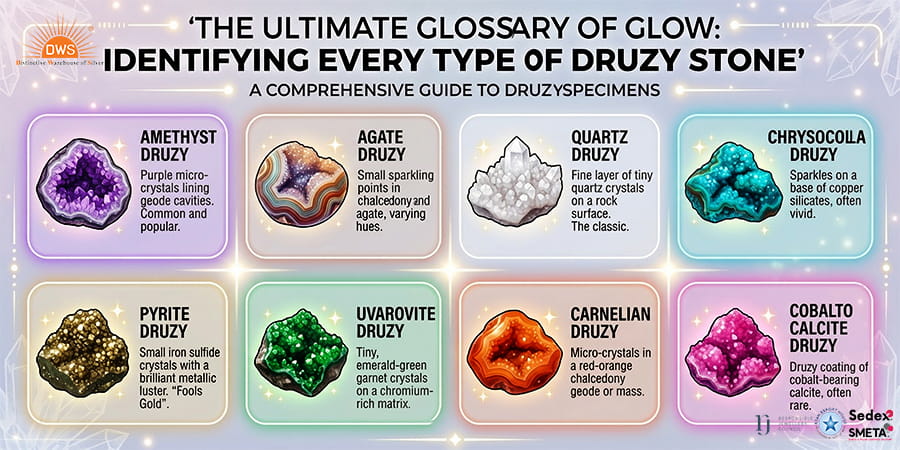
Agate Druzy
- Definition- These are quartz crystals (druzy) that have been formed on the base of an agate (often located inside geodes or along the layers of banded chalcedony).
- Appearance- Agate druzy crystals typically exhibit concentric agate banding (colors can include grey, white, caramel, all muted colors) with a central or partial glistening crystal pocket(s). Agate druzy crystals can also be dyed to create more saturated colors.
- Uses- Agate druzy is utilized for producing cabochon cuts, slices (of agate druzies), and geode pendants. Because all of the banding is unique, they have been used in bohemian-style jewelry and statement piece jewelry.
Amethyst Druzy
Definition: Amethyst druzy is purple quartz that forms in the cavities of volcanic rocks or as the interior of amethyst geodes.
Appearance: The amethyst druzy color can range from pale lavender to very dark blue-violet or royal purple and may include color zoning and formations resembling stalactites and stalagmites. The crystals can be micro-druzy or much larger single-point crystals.
Uses: Jewelry, including cabochons, cutting geodes into slices to display, as well as displaying clusters of amethysts for decoration or use in metaphysical practices. These amethyst crystals are thought to represent calmness and emotional stability and assist in one’s spiritual development in various crystal-based traditions.
Angel Aura Druzy
The term “angel aura druzy” refers to clear or light quartz crystals that have been given a pearlescent effect (rainbow colors) from the addition of platinum or silver using a vacuum-plating process.
Most crystals exhibit pastel colors and hues of pink, blue, and gold and will be somewhat iridescent, but they will be predominantly white, with most of them being quartz-based in terms of the texture of the crystal shape.
These types of angel aura druzy crystals can be used in new age or metaphysical jewelry as well as for meditation by creating a beautiful and love-filled energy with their sparkle and ethereal colors.
Azurite Druzy
Druzy azurite crystals can have a bright blue colour, but may also have other crystals such as malachite added to enhance their beauty or produce a more attractive stone.
Appearance of Azurite Druzy
The colors vary from vivid blue to royal blue; they can also be botryoidal (grape-like), crust-like, and other forms. Druzy crystals will have a sparkly surface but are softer than quartz, meaning they can be easily damaged by chemicals.
How to Use Azurite Druzy
Druzy azurite is commonly used as collector specimens, in making cabochons for pendants and occasionally used as a statement piece or ring (if the stone is properly protected).
Calcite Druzy
Definition: Fine calcite crystal clusters that are coated in druzy form; range from clear (colorless) and white to yellow, green or blue.
Appearance: Calcite druzy has a sparkling to somewhat blocky texture with a relatively high degree of luster; usually occurs on limestone and other carbonate minerals and can be found in geodes as well.
Uses: As decorative specimens (for display) and when durable enough can be manufactured as a pendant and/or earrings; less durable than other stone types for use in daily-wear rings (mostly soft).
Chalcedony druzy
Definition: Quilted druzy quartz – the quartz is made of chalcedony (a microcrystalline version of quartz) and occurs in pastel colors, such as light blue, white, or lavender.
Appearance: The base of a chalcedony druzy is smooth with a glossy finish; the top is covered with fine sparkling particles. Most colors have an unassuming, soft quality, giving the wearer the sensation of possessing part of the cosmos.
Uses: Chalcedony druzy is often used by designers looking for subtle sparkle and color; it is commonly found in bezel-set fashion jewelry, including earrings and pendants.
Chrysocolla Druzy
Definition: A type of quartz or chalcedony containing chrysocolla that develops druzy crusts or pockets of deep blue-green color; when highly translucent, this stone may be called gem silica.
Appearance: Chrysocolla druzy typically displays swirls and/or pools of turquoise to teal color often showcasing bands of malachite or other copper minerals alongside drusy crystals either covering all surfaces or scattered across small areas of the stone.
Use: Statement jewelry pieces; wire-wrapped pendants; artistic designs that showcase the unique patterns created by nature's brush strokes on these stones.
Citrine Druzy
Definition: A type of quartz (specifically druzy) that is orange to yellow in color typically created when an amethyst is naturally formed or heat-treated.
Appearance: Citrine crystals appear honey-colored, gold-colored or amber colored; may either form a place in geodes or as a surface covering. Citrine is often sold as an additional warm color to the main color amythyst.
Uses: Used for making fashion & metaphysical jewelry & items to promote optimism & have geological aesthetic appeal.
Desert Druzy
Overview: A commercial name for some sparkling crystal formations known as drusy (drusy is typically a quartz mineral based formation), made with warm earth tones or sandy colors.
What They Look Like: Mainly beige to tan or sandy colors, occasionally have a bubble-like or round appearance on their surface and may also have fine banding of color.
How They Are Used: Mainly used for boutique jewelry and crystal decor items that draw a visual connection with an arid, dry, desert-like environment.
Druzy Dioptase
Definition: A vivid green mineral made of copper, with an intense emerald color, that has formed as tiny crystals on the inside of vugs or cavities (drusy).
Appearance: Typically has an intense green color and will often be sitting on an attractive black background; most of the crystals are small, yet lustrous.
Uses: Highly sought after by collectors of minerals, and when used in jewelry design, the stones are typically well protected.
Druzy Moss Agate
Definition: A type of Chalcedony that has Green Mossy Like Inclusions and also Contains Texture of Quartz with Druzy Crystals on their Surface/Cavity.
Appearance: Base which is transparent to milky with Mossy Green Inclusions and has Sparkly Patches of Small Crystals like Frost on the Ground of the Forest.
Uses: Often used in Nature Inspired Jewelry and/or Spiritual Jewelry to Represent an Energy Connection to the Earth Providing Grounding.
Rainbow Druzy Hematite
Definition: Hematite (fe2o3) is an iron oxide mineral that has a druzy surface with either natural or interference based rainbow color coatings. The color coatings create "rainbow hematite".
Appearance: Is silver or gunmetal and has reflective microcrystals. The color of the rainbow hematite is exhibit iridescent red, green, and purple colors.
Uses: Can be used as a statement piece of jewelry or as part of collections, especially for those with a preference for dark or metallic finishes.
Malachite Druzy
Definition: Malachite is a green banded copper carbonate, which has tiny, druzy-like crystals covering its surface.
Appearance: Bright green banded with either a velvety texture or a crystal-like sparkling texture, it can be found in conjunction with other copper products.
Use: Malachite druzy is primarily used for collecting and for making bold jewellery; because of its relative softness, protective settings should be used when making jewellery.
Peacock Druzy
Meaning: Peacock druzy is typically quartz druzy crystal that has been treated to have colored metal (often titanium or titanium-like) surface coatings to produce iridescent peacock feather-type blue-green-violet color combinations.
Appearance: Peacock druzy has a lot of strong metallic blue, green, and purple flashing colors across the face of the stone; some show variation in color gradient.
Application: Used to create trendy, modern jewelry pieces (especially earring and pendants) where visible color is important.
Pyrite Druzy and Rainbow Pyrite
Definition: Pyrite is an iron sulfide (often referred to as "fools gold"), that has formed as a crust of very small tightly stacked crystals, but the iridescent type is a specific type of Rainbow Pyrite, sold from Russia.
Appearance: The regular Pyrite is a bight goldish metallic or shiny crystal with a "sparkly" appearance. The Rainbow Pyrite on the other hand, is made of many different colors where the light will refract, possibly producing a Gold, Green, Pink, Blue sheen.
Uses: It is often used in the manufacturing of bold and attractive jewelry or geodes that are visually stimulating for people to look at and appreciate.
Druzy Spectropyrite
Definition: A trade name used for druzy material related to pyrite, that has a strong spectralcoloration. It shares a similar appearance to what some sellers refer to as Rainbow Pyrite.
Appearance: It has an intense iridescence and mirror-like reflective properties with rainbow hues.
Uses: Contemporary crystal pendants & cabochons used in high-end jewelry.
Titanium Aura Druzy
Definition: Aura druzy quartz are quartz crystals geodes or druzy's that have been coated with titanium (often combined with platinum), using a high-temperature vacuumm process to create a deep rainbow of shine on them.
Appearance: The color of the titanium Aura druzy is electric cobalt blue, magenta, gold, and green. They have layers of beautiful colors applied over top of the natural crystal surface, giving the gypsy druzy's a high definition almost holographic quality.
Uses: As with most crystal stones, they are used in New Age jewelry and in festival style necklaces, earring, and other items. Typically, they will be used to make altar pieces or as decorational geodes; usually with elements of energy and vibrant colors.
Turquoise Druzy
The term "Turquoise Druzy" refers to druzzy textures that form with or in connection to; turquoise and also other minerals that contain turquoise and in some instances dyed quartz druzy that resemble turquoise or referred to as "druzy turquoise".
Turquoise druzy can appear in a variety of colors including sky blue to a greenish blue, usually displaying veining in their host; there are very few naturally occurring examples of turquiose druzy.
Turquoise druzy is used in jewelry made in a southwestern or bohemian style most often in combination with silver or copper to provide a contrasting effect.
Uvarovite Garnet Druzy
Definition: Uvarovite is a rare type of calcium chromium garnet that the forms a dense carpet of many small, bright green crystals that cover the host rock.
Appearance: Uvarovite has a rich emerald green color, has a glittery surface and is one of the only druzys (the term used for naturally occurring accumulation of small, naturally-formed crystals) of garent types which is green and very much in demand as a druzy.
Uses: High-end jewelry and material for collectors; they are generally left untouched as clusters of themselves or are cut up into freeform plates.
Vanadinite and Other Collector Druzy
- Vanadinite and certain other minerals, like dolomite or sphalerite, form a druzy coating that many collectors desire. Some niche jewelry designers also make use of it for their one-of-a-kind pieces.
- Vanadinite is usually present in an orange-red to brownish-red color, with a glossy surface, and exists as hexagonal crystals. Other druzy minerals can be found in many colors and combinations of crystals.
- Generally, the mineral specimens are collected; however, vanadinite can be used as an art piece in some one-of-a-kind art jewelry, where the designer accepts that the piece may not last for a long time.
Quick Reference Table: Key Druzy Types
| Druzy Type | Base Mineral | Typical Colors | Natural or Treated? | Common Uses |
| Druzy quartz on agate | Quartz on agate | White, grey, caramel, dyed brights | Mostly natural, often dyed | Everyday jewelry, slices, geodes |
| Amethyst druzy | Quartz (amethyst) | Lavender to deep purple | Natural, sometimes heat-modified | Pendants, clusters, decor |
| Citrine druzy | Quartz (citrine) | Yellow to orange | Natural or heat-treated | Warm-tone jewelry, metaphysical pieces |
| Chalcedony druzy | Quartz on chalcedony | Soft blue, white, pastel | Usually natural | Calming, minimalist jewelry |
| Moss agate druzy | Chalcedony with inclusions | White/clear with green "moss" | Natural | Nature-themed jewelry |
| Uvarovite druzy | Uvarovite garnet | Intense emerald green | Natural | Collector and fine jewelry |
| Rainbow pyrite | Pyrite | Gold with rainbow iridescence | Natural interference colors | Statement cabochons |
| Titanium aura druzy | Coated quartz | Electric rainbow metallic | Man-made coating | Festival and spiritual jewelry |
| Peacock druzy | Coated quartz | Blue-green-purple iridescent | Man-made coating | Fashion jewelry |
| Chrysocolla druzy | Chrysocolla with quartz | Blue-green, teal | Mostly natural composites | Artistic statement pieces |
| Rainbow hematite | Hematite | Multicolor metallic | Natural interference | Metallic-look jewelry |
How to Identify Druzy Types in the Jewelry Trade
1. Start with the Base Mineral
The mineral that could be underneath the sparkling surface of a druzy is very important when determining what the druzy stone is. In fact, most of the druzy stones available on the market are made from quartz minerals, however there are colored versions of drusy stones which give indications that some drusy stones may contain minerals that are distinct from quartz. Examples of colored drusy stones include:
- Uvarivite garnet has bright emerald-green crusting
- Pyrite drusy stones reflect brass-colored light off of their surface
- Chrysocolla drusy stones have patterns that range from turquoise to teal
- Azurite drusy stones are formed together with malachite and have a deep blue crust.
Hardness testing, banding, and luster can also provide good clues when trying to identify a druzy stone.
2. Observe Color and Pattern
A natural color palette for druzy quartz typically consists of white, grey, brown, and softer pastel hues. Vibrant/neon colors (e. g. , hot pink, electric blue, or bright purple) usually indicate the material has been dyed, coated, or both. An undyed banded agate base beneath a vibrant crystal surface will indicate that just the top section has been treated.
3. Examine for Any Signs of Surface Coatings and Treatments
Rainbow and/or peacock colors with a mirror finish & a uniform color (hue) are typically indicative that the rock has been treated with either an aura coating or titanium coating; they are not the result of naturally occurring colors. Roughness at the corners of the coating or some colours are only visible on the exposed faces of the crystal — not on the back — may also indicate treatment.
4. Consideration of Cut Style: Flat vs. Window
If the entire top of the stone contains druzy, it will likely be sold as a flat druzy; if it has a limited or irregular pocket of druzy in only the center, then it would be considered a window druzy. Both cut styles are considered to be legitimate choices, but the window style will often show more of the host rock material than the flat cut does.
5. Requesting Information about Where Druzy Came From
A reputable supplier will tell if the druzy is 100% natural, coloured, or coated, and supply you with it's country of origin; Brazil and Mexico for most quartz druzy; Russia for rainbow pyrite and notably uvarovite; and copper-mining areas for chrysocolla, azurite, and dioptase minerals.
Tips for Caring for Druzy Jewelry
Druzy jewelry must be handled gently regardless of its type. Druzy has an exposed crystal surface instead of a smooth polished one.
- Avoid harsh cleaners and ultrasonic cleaners as they will damage finishes, dye and softer base minerals like calcite and azurite.
- Clean with a mild soap and lukewarm water. This is usually the safest method of cleaning a quartz druzy stone.
- Store separately in a soft pouch or lined box to avoid scratching or chipping the tiny crystals on the jewelry.
- Be careful when choosing settings. Pendants and earrings that expose the druzy to less abrasion than a ring or bracelet will generally have a lower chance of being bumped against something.
Druzy that is treated with aura or titanium coatings should be protected from being worn for extended periods of time due to these thin metal coatings being easily worn down through wear and tear.
Utilizing This Glossary in Your Designs and Purchasing Decisions
Understanding the difference between natural druzy and treated druzy, as well as what kind of mineral hosts that druzy exists in- like quartz-based or rarer mineral hosts- will help designers make more intentional material choices and will assist designers in telling the right story through color. A druzy pendant that is described as "natural uvarovite garnet druzy that comes from Russia" and one that is described as "titanium-coated quartz druzy" will have two very different meanings.
By knowing specific trade names associated with specific druzy types such as "peacock druzy", "desert druzy", "spectropyrite", and "titanium aura", retailers and buyers will have a better idea of what to expect in terms of durability, treatment, and value A druzy that comes from a quartz-based material will generally be less expensive and more durable than a druzy that comes from a rarer mineral species such as a uvarovite, dioptase, and azurite would.
In conclusion, druzy isn't just one stone but rather a surface reaction that can be found on many different types of minerals. Now that you have this glossary to refer to, it will assist jewelers, collectors, and crystal aficionados in identifying, describing, and overall appreciating the "glow" that druzy stones contribute to the world of gems.
Popular on Blogs
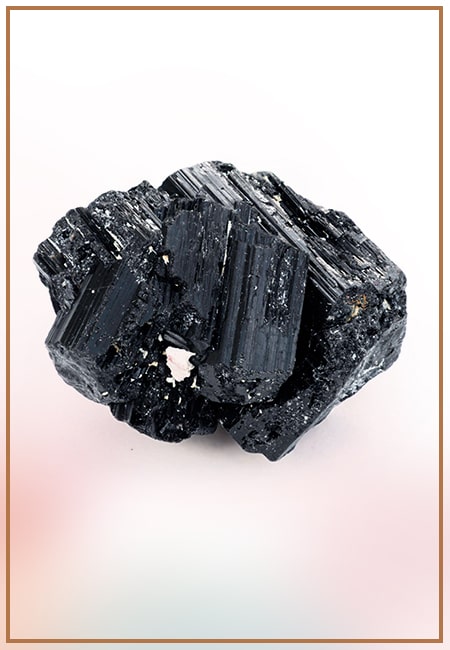
Black Tourmaline: Meaning, Healing Properties, Fascinating Facts, Powerful Attributes, Versatile Uses, and Beyond
September 05, 2023 / BY Team DWS
Black Tourmaline, also known as Schorl, is a highly revered crystal with incredible metaphysical properties. It derives its name from the Dutch word "turamali," meaning "stone with ..
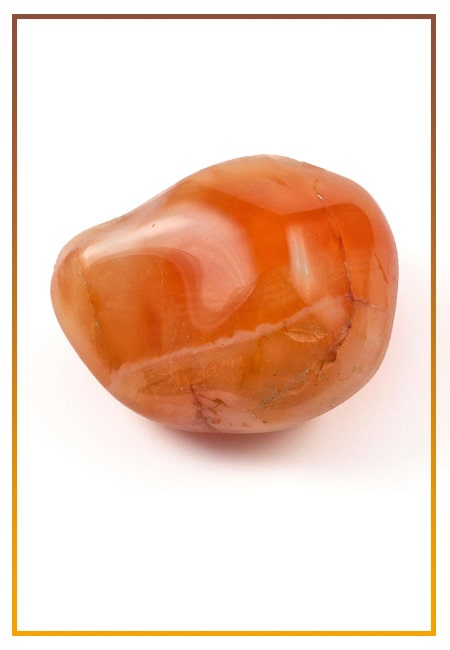
Carnelian Stone: Meaning, Healing Properties, Power, Facts, Color, Uses and More
December 26, 2023 / BY Team DWS
Carnelian is a vibrant and captivating gemstone that holds a plethora of meanings, healing properties, and powers. Its warm and fiery energy makes it a popular choice among crystal ..
Citrine: Exploring its Meaning, Healing Properties, Fascinating Facts, Powers, Versatile Uses, and Much More
November 18, 2023 / BY Team DWS
Citrine, with its warm golden hues, has captured the attention and imagination of people for centuries. This beautiful gemstone, commonly associated with wealth and prosperity, hol ..
Black Onyx: Unveiling the Meaning, Healing Properties, Fascinating Facts, Powerful Attributes, Versatile Uses, and Beyond
July 25, 2023 / BY Team DWS
Black Onyx, a striking gemstone admired for its deep black hue and elegant appearance, has captivated people for centuries. In this comprehensive guide, we will delve into the mean ..
The History Behind The Popularity of Red Agate
December 23, 2022 / BY Team DWS
An Agate is a type of magma rock that takes many years till it is washed out naturally into the water. And that is the reason this stone has elements of water. This beautiful stone ..
Unveiling the Mysteries of Turquoise Stone: Exploring its Meaning, Healing Properties, Power, Facts, Color, Uses, and More
December 05, 2023 / BY Team DWS
Turquoise, with its captivating blue-green hue, has been adorning jewelry and artifacts for centuries. This striking stone has a rich history, rich symbolism, and a plethora of int ..

Plan a Perfect Valentine's Week with Our Valentine Week List 2026
January 22, 2024 / BY Team DWS
Valentine's Day is undoubtedly the most romantic day of the year, but we believe that one day is just not enough to express your love and make your partner feel special. That's why ..
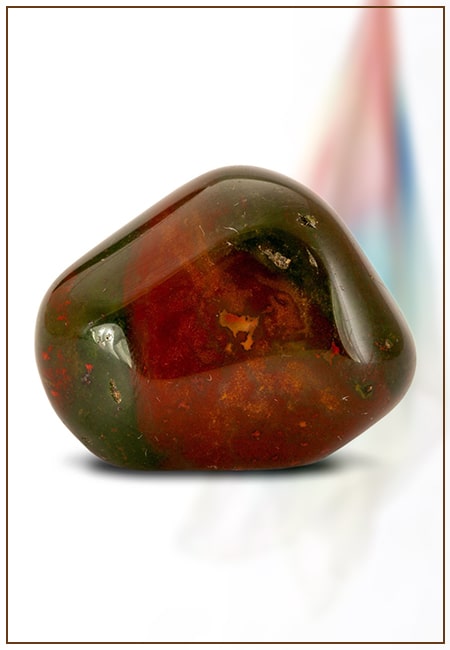
Bloodstone: Unveiling the Meaning, Healing Properties, Facts, Powers, Uses, and More
August 21, 2023 / BY Team DWS
Bloodstone, with its captivating deep green color with specks of red, is a mesmerizing gemstone that has fascinated civilizations for centuries. It possesses unique healing propert ..