


- Written By Team DWS
- Gemstones
- February 19, 2026
25 Natural Purple Gemstones You Should Know
Purple gemstones have a special kind of magic. Historically, the color purple symbolized nobility, divinity, and luxury, partly because purple dyes and pigments were rare and costly to produce. In color psychology and spiritual traditions, purple combines the passion of red with the calm of blue, making it a shade linked with creativity, wisdom, and higher consciousness.
Purple crystals are also strongly associated with the third eye and crown chakras, which are believed to govern intuition, spiritual insight, and connection to the divine. Whether you are drawn to light lavender tones or deep, velvety violet, there is a purple gemstone to match your style and energy.
639071030372481302.jpg "Natural Purple Gemstones Collection")
What makes purple gemstones unique?
Purple gemstones cover a surprisingly wide range of tones—soft lilac, grayish-violet, purple-blue, reddish-violet, and rich royal purple. These hues are typically created by trace elements such as iron, manganese, or titanium in the crystal structure, sometimes combined with natural radiation or heat within the earth. Because purple is naturally rare in minerals, many purple gems have long been cherished as special or even mystical stones.
Symbolically, purple gemstones are often linked with:
- Royalty, luxury, and status.
- Spiritual growth, meditation, and higher awareness.
- Imagination, artistry, and creative expression.
- Emotional healing, balance, and protection from negativity.
This combination of visual richness and deep meaning makes purple gems extremely attractive for both fine jewelry and holistic, crystal-based practices.
________________________________________
How purple gemstones get their color
In most purple stones, color comes from tiny amounts of other elements or imperfections in the crystal lattice. For example, amethyst’s purple is caused by traces of iron and natural irradiation in quartz, while purple sapphire’s color arises from different trace elements in corundum. The exact mix of hue, tone (light to dark), and saturation (intensity) determines whether the stone appears pastel, smoky, or bold and regal.
Many purple gems, such as iolite, tanzanite, and some sapphires, are also pleochroic, meaning they show different colors when viewed from different angles. Gem cutters orient the rough carefully to bring out the most desirable balance between blue, violet, and sometimes reddish flashes.
________________________________________
Choosing and caring for purple gemstone jewelry
Different purple gems vary widely in hardness and durability. As a general guide, stones around 7 or above on the Mohs hardness scale (like amethyst, garnet, spinel, and sapphire) are usually suitable for more frequent wear, especially in rings and bracelets. Softer or more delicate stones like fluorite, lepidolite, sugilite, and charoite are better reserved for pendants, earrings, and occasional-wear pieces.
Most purple gemstones can be safely cleaned with lukewarm water, mild soap, and a soft brush, then dried with a lint free cloth. It is best to avoid harsh chemicals, extreme heat, and ultrasonic cleaners for more fragile stones such as tanzanite, opal, pearl, fluorite, and kunzite, and to store gemstone jewelry separately in soft pouches or lined boxes to prevent scratching.
________________________________________
25 natural purple gemstones to know
Below is a curated guide to 25 natural purple gemstones, from famous classics to rare collector stones.
________________________________________
Amethyst
Amethyst is the most iconic purple gemstone and a violet variety of quartz. Its shades span light lavender to rich violet, frequently showing faint blue or reddish hints based on lighting and source. Amethyst forms in geodes and cavities of volcanic rock and is mined in countries such as Brazil, Uruguay, and parts of Africa and Asia.
With a hardness of 7, amethyst is durable enough for rings, bracelets, pendants, and earrings when worn with normal care. In ancient times, it was thought to ward off drunkenness and sharpen mental focus, and today it ranks among the top choices for meditation, anxiety reduction, and spiritual safeguarding. As the modern birthstone for February, it is a meaningful choice for gifts and personal talismans.
________________________________________
Purple sapphire
Sapphire is best known in blue, but it also appears naturally in rich purple and violet tones. Purple sapphires often show a vivid, saturated color and excellent brilliance, and many are sourced from Sri Lanka, Myanmar, and Madagascar.
As a variety of corundum, sapphire has a Mohs hardness of 9, making purple sapphire ideal for engagement rings, everyday bands, and heirloom pieces. Symbolically, it is linked with spiritual insight, wisdom, and noble energy, echoing the royal associations of purple itself. Purple sapphire is also recognized as a purple option for the September birthstone in some gem traditions.
________________________________________
Tanzanite
Tanzanite is a blue violet variety of zoisite found only in Tanzania. Thanks to its strong pleochroism, a single stone can display blue, purple, and sometimes reddish tones depending on the viewing angle and cut.
With a hardness of about 6.5–7, tanzanite can be used in rings, but it benefits from protective settings and mindful wear; it is particularly well suited to pendants and earrings. It is associated with transformation, new beginnings, and spiritual awakening, making it popular among those who want a stone for life changes or personal growth. Tanzanite is also listed as a modern December birthstone and a gemstone for later wedding anniversaries.
________________________________________
Purple tourmaline
Tourmaline occurs in an impressive range of colors, including purple and violet shades sometimes referred to as siberite. Purple tourmaline can range from soft lavender to vivid grape tones and is often mined in Brazil and parts of Africa.
With a hardness of around 7–7.5, purple tourmaline is generally suitable for everyday jewelry if treated with normal care. In crystal-healing traditions, it is considered grounding and protective while also supporting spiritual development and emotional healing. Designers often use it in elegant rings, modern pendants, and high end fashion pieces because of its rich, luminous color.
________________________________________
Purple garnet
While garnet is widely associated with deep red, certain varieties display beautiful purple or purple red hues. Rhodolite garnet, for example, often shows raspberry to purplish-red tones, while some “grape” garnets are strongly violet.
Garnet typically has a hardness of around 7–7.5 and strong brilliance, making purple garnet a durable and sparkling choice for rings, pendants, and earrings. It is linked with passion, vitality, and inspiration, and purple-leaning types are also said to encourage compassion and emotional balance. In alternative birthstone charts, purple garnet is sometimes highlighted for January or early wedding anniversaries.
________________________________________
Purple spinel
Spinel is an increasingly popular gemstone that naturally appears in vivid purple, violet, and lavender shades. Fine purple spinel can display exceptional brightness and clarity, with colors that rival or even resemble sapphires.
With a hardness of 8, purple spinel is suitable for frequent wear and works well in rings, engagement designs, and daily jewelry. Metaphysically, it is associated with renewal, positive energy, and rejuvenation, making it a favorite for people seeking a fresh start or boost in vitality. Collectors value purple spinel for its combination of rarity, durability, and eye catching sparkle.
________________________________________
Alexandrite
Alexandrite is famous for its dramatic color change: it can appear greenish in daylight and shift to reddish or purplish tones under warm indoor light. This chameleon like nature makes it one of the most fascinating and coveted gemstones in the world.
Alexandrite has a hardness of 8.5, making it durable enough for rings and long-lasting fine jewelry. It is associated with balance, adaptability, and good fortune, and is often chosen for meaningful life milestones. It is also an alternative June birthstone and a classic anniversary gem in many lists.
________________________________________
Purple diamond
Natural purple diamonds are extremely rare and occupy a special place among colored diamonds. Their color can range from delicate lilac and mauve to deep plum, sometimes combined with gray or pink modifiers.
With a hardness of 10, purple diamonds are exceptionally durable and are often reserved for high end engagement rings, collector pieces, and red carpet jewelry. Symbolically, they blend the unmatched strength of diamond with purple’s association with power, creativity, and spiritual depth. Even small purple diamond accents can dramatically elevate a design centered around white or other colored stones.
________________________________________
Purple zircon
Zircon is a natural gemstone known for its high brilliance and fire, and it can occur in attractive purple and violet hues. Purple zircon typically offers bright sparkle and good transparency, which make it stand out in both classic and contemporary settings.
With a hardness between 6.5 and 7.5 but a somewhat brittle structure, zircon is best suited to carefully designed rings, pendants, and earrings with protective settings. Some modern birthstone guides list purple zircon as a December option, and it is also linked with clarity, spiritual protection, and balanced energy.
________________________________________
Iolite
Iolite is a pleochroic gemstone that typically shows violet blue to grayish-purple hues, sometimes earning the nickname “water sapphire.” Its color can appear more blue or more purple depending on the angle and cut, giving it an intriguing, moody beauty.
With a hardness of about 7–7.5, iolite can be used in rings and other daily wear pieces if treated with care. In crystal lore, it is considered a stone of inner vision and self discovery, supporting the third eye chakra and mental clarity. Iolite’s sophisticated shades pair especially well with white metals and minimalist designs.
________________________________________
Kunzite
Kunzite is a variety of spodumene known for its delicate pink to lilac purple tones. Many stones show a soft, glowing color and strong pleochroism, appearing more intense from certain directions.
Kunzite has a hardness around 6.5–7 but can be brittle and sensitive to sunlight, which may cause color fading over time. It is often associated with emotional healing, unconditional love, and gentle heart energy, and is widely used in crystal healing practices. Because of its romantic, pastel color, kunzite is especially appealing in feminine pendants, cocktail rings, and statement earrings.
________________________________________
Purple fluorite
Fluorite occurs in many colors, with purple being one of the most popular. Purple fluorite may appear as single colored crystals or in bands and zones with clear, green, or other hues, often forming striking cubic or octahedral crystal clusters.
With a hardness of about 4, fluorite is relatively soft and better suited for pendants, earrings, and carefully worn rings rather than heavy daily use. It is renowned in spiritual communities as a stone of clarity, focus, and intuition, frequently used to support studying, decision making, and meditation. Polished fluorite points, hearts, and cabochons are also popular for altar and décor pieces.
________________________________________
Sugilite
Sugilite is a rare purple to magenta gemstone, often opaque to translucent, that has become highly sought after in recent decades. It is primarily sourced from South Africa and sometimes Japan, and fine material can show a rich “grape jelly” color.
With a hardness around 5.5–6.5, sugilite is durable enough for many types of jewelry but benefits from protective designs, especially in rings. It is frequently described as a stone of spiritual love, protection, and deep emotional healing, said to help with grief, stress, and negative thought patterns. Artisans often showcase it in bold cabochon rings and pendants, particularly in silver or mixed metal designs.
________________________________________
Charoite
Charoite is instantly recognizable for its swirling patterns of lavender, violet, white, and sometimes black or brown inclusions. It comes almost exclusively from Russia (Siberia), which adds to its rarity and collector appeal.
With a hardness of about 5–6, charoite is best used in pendants, earrings, and statement rings that are not subjected to heavy wear. It is often called a stone of transformation, believed to help users move through fear, accept change, and align with a higher purpose. Large, polished cabochons and beads allow its unique fibrous, chatoyant patterns to shine in artistic jewelry.
________________________________________
Lepidolite
Lepidolite is a lilac to lavender mica mineral rich in lithium, giving it its characteristic soft purple shade. It usually appears in massive or platy forms rather than clear crystals and is commonly cut into cabochons, beads, and tumbled stones rather than faceted gems.
Because of its layered structure and relatively low hardness, lepidolite is delicate and best used in pendants, earrings, and carefully worn statement pieces. It is widely known in crystal healing circles as a stone of peace and emotional balance, used to ease stress, anxiety, and insomnia. Lepidolite jewelry and pocket stones are popular companions for relaxation and self care routines.
________________________________________
Lavender jadeite
Jadeite, one of the two true “jade” minerals, can occur in lovely lavender or lilac tones as well as green. Lavender jadeite is often translucent to opaque with a soft, serene glow when polished.
Jadeite is known for its exceptional toughness, which makes lavender jadeite suitable for bangles, pendants, beads, and carvings that can withstand daily wear. In East Asian cultures, lavender jade is associated with peace, inner harmony, and emotional healing, often worn as a protective or calming talisman. Its gentle color works beautifully in minimalist designs and traditional carvings alike.
________________________________________
Purple jade
Beyond pure lavender jadeite, “purple jade” can refer to jadeite or nephrite materials with grayish-purple to deeper mauve tones. These stones often feature subtle variations in shade and texture, giving them a more organic and earthy appearance than vivid faceted gems.
Purple jade is associated with balancing heart and mind, emotional strength, and spiritual protection. It is commonly used in talismans, bead bracelets, and small carvings, where its soothing color and energy can be kept close to the body. For jewelry lovers who prefer a more muted, natural look, purple jade offers a calming alternative to brighter stones.
________________________________________
Purple agate
Agate is a banded variety of chalcedony and can be found in natural and enhanced purple forms with layered or swirling patterns. Purple agate slices, cabochons, and beads often show concentric rings, irregular bands, or cloud like shapes that make each piece unique.
Chalcedony based stones generally have a hardness of about 6.5–7, making purple agate suitable for a wide variety of jewelry styles. It is linked with stability, strength, and emotional grounding, while the purple color adds a connection to intuition and spiritual growth. Purple agate is especially popular in bohemian, statement, and everyday casual jewelry such as slice pendants and large bead necklaces.
________________________________________
Purple jasper
Jasper is an opaque chalcedony that appears with countless patterns and colors, including purples and purple red mixes. Purple jasper may show mottled, speckled, or banded designs with cream, brown, or black, giving it a very earthy character.
It is often associated with grounding, endurance, and energetic support during challenging periods, and purple jasper in particular is said to help unify spiritual awareness with practical action. Artisans use it in cuffs, chunky rings, stretch bracelets, and statement pendants, where its natural patterns become the focus.
________________________________________
Purple chalcedony
Purple chalcedony is a microcrystalline quartz with a uniform, milky to translucent purple body color and minimal banding. Its gentle, even tone makes it ideal for smooth cabochons and beads, especially in pastel or muted lavender.
This stone is associated with calm communication, emotional stability, and soft spiritual openness. Because of its subtle appearance, purple chalcedony works beautifully in minimalist designs and delicate everyday pieces that add just a hint of color.
________________________________________
Purple / violet opal
Some opals display a purple or violet body color, sometimes with play of color flashes and sometimes in a more uniform tone. Purple opal can range from soft lavender to richer grape shades and may be mined in regions such as Mexico, Peru, and the United States, depending on type.
Opal is relatively delicate, so purple opal jewelry is typically best in pendants, earrings, and occasional wear rings. Spiritually, it is often associated with intuition, inspiration, and emotional expression, resonating with both heart and higher chakras. Designers often pair purple opal with diamonds or complementary stones to highlight its dreamy, opalescent glow.
________________________________________
Purple pearl
Purple or lavender pearls are especially common in freshwater pearl cultivation, where body color or overtone can appear from pale lilac to deeper plum. These pearls typically offer soft, romantic color combined with the classic luster that pearls are known for.
Pearl is relatively soft and organic, so purple pearl jewelry benefits from gentle wear and careful storage, away from heat, chemicals, and dryness. Symbolically, pearls are linked with wisdom, emotional healing, and nurturing energy, and purple tones add a layer of spiritual sensitivity and serenity. Purple pearls are beautiful in bridal sets, layered necklaces, and delicate earrings.
________________________________________
Purple topaz
Topaz most often appears in blue or golden hues, but purple varieties also exist and can be quite striking. Purple topaz usually shows clear, bright color and a high level of transparency and brilliance.
With a hardness of 8, topaz works well in rings, pendants, and earrings, although it has perfect cleavage and should be protected from hard knocks. In metaphysical circles, purple topaz is associated with spiritual insight, transformation, and aligning one’s intentions with higher guidance. Some charts list purple topaz as an anniversary and November gemstone option.
________________________________________
Lavender rose quartz
Rose quartz is traditionally soft pink, but some material has a distinct lavender or lilac cast, often called lavender rose quartz. These stones blend gentle pink with subtle purple overtones, enhancing their romantic and spiritual feel.
Lavender rose quartz is widely used in hearts, beads, and carved jewelry, especially for pieces centered on self love and emotional healing. Classic rose quartz is associated with love and compassion, and the lavender variety is often linked with spiritual love, forgiveness, and higher heart chakra energy. It is ideal for soft, feminine collections focused on wellness and emotional balance.
________________________________________
Purpurite
Purpurite is a manganese phosphate mineral best known for its bold, matte purplish red to violet color. It is usually opaque and more often seen as polished cabochons, tumbled stones, or crystal specimens than as traditional faceted gems.
With a relatively low hardness, purpurite is delicate and works best in pendants, earrings, and talisman-style pieces rather than heavy wear rings. It is widely regarded as a stone of spiritual courage, truth, and empowerment, helping the wearer to speak authentically and step into their purpose. Its dramatic, saturated color makes it especially eye catching in bold, artisan jewelry.
________________________________________
Caring for purple gemstone jewelry
No matter which purple gemstones you choose, proper care will keep them beautiful for years. Most colored stones—including amethyst, garnet, tourmaline, spinel, and sapphire—can be cleaned with warm water, mild dish soap, and a soft brush, then rinsed and dried with a lint free cloth. Softer or more delicate materials like fluorite, lepidolite, sugilite, kunzite, opal, and pearl should be handled gently, kept away from ultrasonic cleaners, and not exposed to harsh chemicals or extreme temperature changes.
Storing each piece separately in a soft pouch or lined box helps prevent harder stones from scratching softer ones. It is also wise to remove gemstone jewelry before activities such as sports, gardening, or heavy cleaning, to protect both the stones and the metal settings. For cherished pieces, an occasional professional check of prongs, settings, and stringing (for pearls or beads) can extend their life significantly.
639071032708301817.jpg "Gemstone Jewellery Manufacturer from India")
Bringing purple gemstones into your life
Purple gemstones offer an extraordinary range of looks and meanings—from the familiar elegance of amethyst to the rare magic of sugilite, charoite, and purple diamonds. You can choose deep, regal shades for bold statement jewelry, soft lavender tones for calming everyday pieces, or patterned stones like jasper and charoite for artistic, one of a kind designs.
Whether you are designing collections, curating a personal jewelry box, or building a crystal toolkit for spiritual practice, purple gemstones bring together luxury, symbolism, and emotional depth in a way few other colors can match. By understanding each stone’s character—its durability, color range, and energetic associations—you can select the perfect purple companions to reflect your style and support your journey.
Popular on Blogs
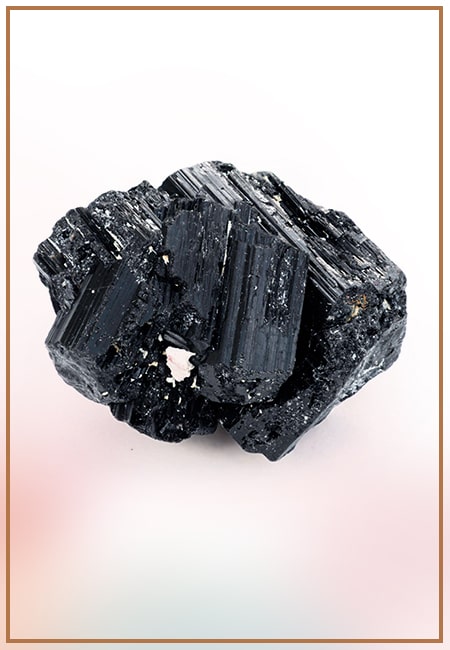
Black Tourmaline: Meaning, Healing Properties, Fascinating Facts, Powerful Attributes, Versatile Uses, and Beyond
September 05, 2023 / BY Team DWS
Black Tourmaline, also known as Schorl, is a highly revered crystal with incredible metaphysical properties. It derives its name from the Dutch word "turamali," meaning "stone with ..
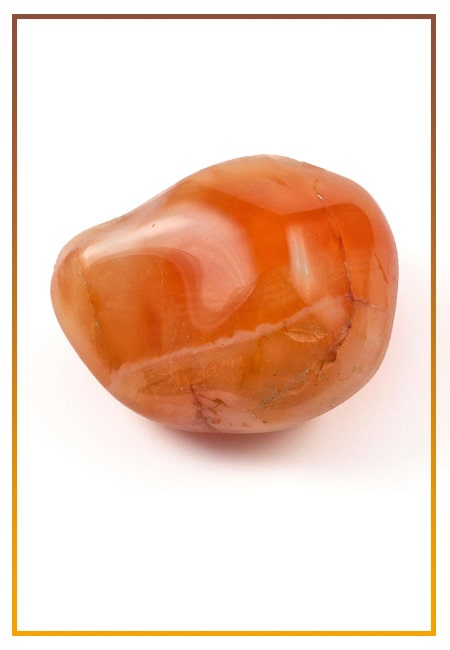
Carnelian Stone: Meaning, Healing Properties, Power, Facts, Color, Uses and More
December 26, 2023 / BY Team DWS
Carnelian is a vibrant and captivating gemstone that holds a plethora of meanings, healing properties, and powers. Its warm and fiery energy makes it a popular choice among crystal ..
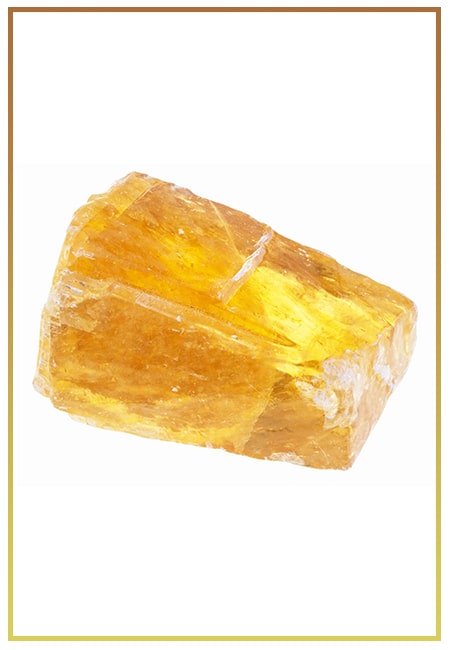
Citrine: Exploring its Meaning, Healing Properties, Fascinating Facts, Powers, Versatile Uses, and Much More
November 18, 2023 / BY Team DWS
Citrine, with its warm golden hues, has captured the attention and imagination of people for centuries. This beautiful gemstone, commonly associated with wealth and prosperity, hol ..
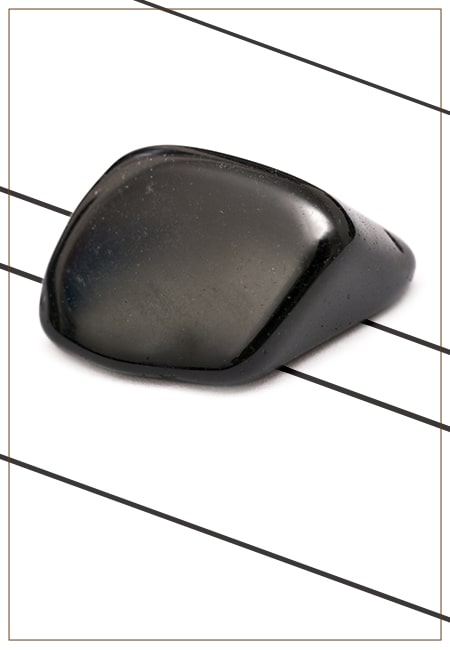
Black Onyx: Unveiling the Meaning, Healing Properties, Fascinating Facts, Powerful Attributes, Versatile Uses, and Beyond
July 25, 2023 / BY Team DWS
Black Onyx, a striking gemstone admired for its deep black hue and elegant appearance, has captivated people for centuries. In this comprehensive guide, we will delve into the mean ..
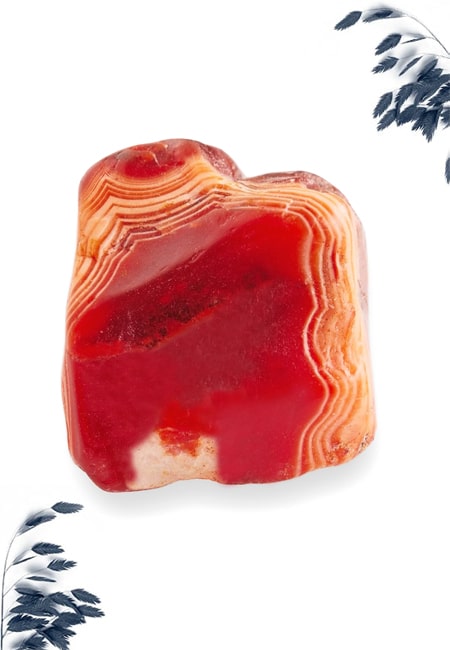
The History Behind The Popularity of Red Agate
December 23, 2022 / BY Team DWS
An Agate is a type of magma rock that takes many years till it is washed out naturally into the water. And that is the reason this stone has elements of water. This beautiful stone ..
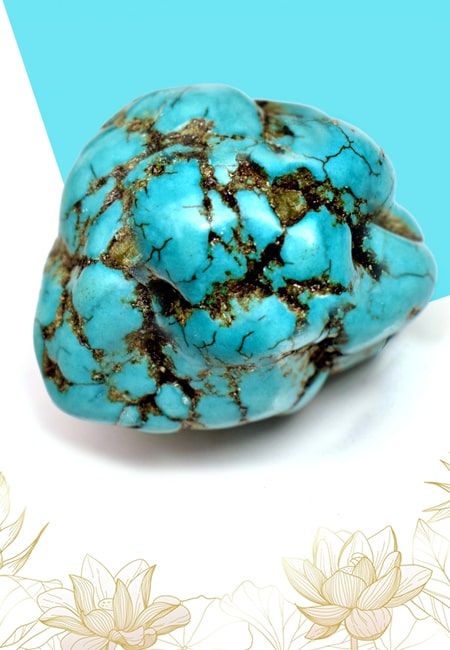
Unveiling the Mysteries of Turquoise Stone: Exploring its Meaning, Healing Properties, Power, Facts, Color, Uses, and More
December 05, 2023 / BY Team DWS
Turquoise, with its captivating blue-green hue, has been adorning jewelry and artifacts for centuries. This striking stone has a rich history, rich symbolism, and a plethora of int ..

Plan a Perfect Valentine's Week with Our Valentine Week List 2026
January 22, 2024 / BY Team DWS
Valentine's Day is undoubtedly the most romantic day of the year, but we believe that one day is just not enough to express your love and make your partner feel special. That's why ..
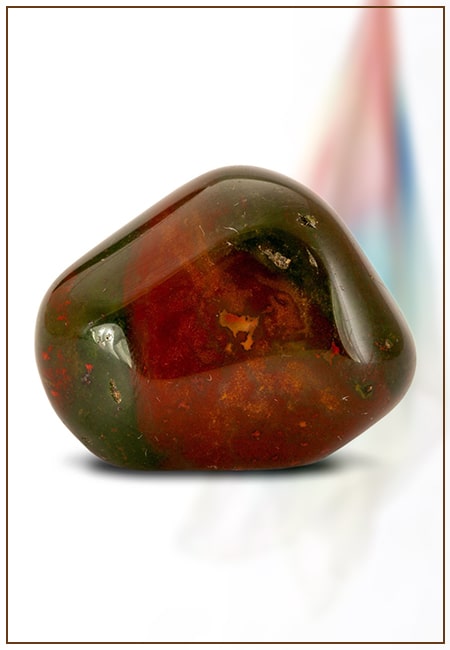
Bloodstone: Unveiling the Meaning, Healing Properties, Facts, Powers, Uses, and More
August 21, 2023 / BY Team DWS
Bloodstone, with its captivating deep green color with specks of red, is a mesmerizing gemstone that has fascinated civilizations for centuries. It possesses unique healing propert ..