


- Written By Team DWS
- Festivals
- January 21, 2026
Why Hearts Rule Valentine's Day: Anatomy, Mythology, and Cultural Meanings
The heart symbol dominates Valentine's Day imagery, appearing on cards, chocolates, jewelry, and decorations worldwide. This iconic shape, far removed from the human heart's actual anatomy, weaves together biology, ancient myths, and evolving cultural narratives to represent love. Far from a modern invention, its rule over February 14 stems from a blend of science, storytelling, and societal shifts that have cemented it as the ultimate emblem of romance.
Anatomical Roots of the Symbol
The stylized heart symbol diverges sharply from the human heart's real structure, which resembles an inverted cone with four chambers and a rounded base. Medical illustrations from the 14th century, like those in anatomical texts by Vesalius, depict the organ as asymmetrical and muscular, focused on pumping blood through veins and arteries. Yet the Valentine's heart—two symmetrical lobes joined at a point—traces back to observations of other natural forms that early artists romanticized.
Scholars point to the silphium plant, a now-extinct herb from ancient Cyrene (modern Libya), as a key influence. This fennel-like species, prized for its contraceptive and medicinal properties, bore seed pods shaped like the modern heart. Greek coins from 500 BCE show these pods, stylized into the familiar curve, symbolizing fertility and desire rather than cardiac anatomy. By the Middle Ages, this form merged with depictions of ivy leaves or figs, both associated with love and vitality in herbal lore.
In human physiology, the heart's link to emotion arose from ancient understandings of bodily humors. Hippocrates and Galen posited that blood from the heart fueled passions, a theory persisting into the Renaissance. William Harvey's 1628 discovery of blood circulation reinforced this, as the heart became metaphorically central to life's rhythm—and love's fervor. Today, neuroscientists note the heart's neural network, with 40,000 neurons communicating with the brain, influencing emotions via the vagus nerve. This "heart-brain axis" lends scientific credence to why heartbreak feels physical, amplifying the symbol's intuitive power.
Mythological Foundations Across Cultures
Mythology elevates the heart beyond anatomy into divine territory, with tales from Greece, Rome, and beyond shaping its romantic aura. In Greek lore, Eros (Cupid's counterpart) pierced hearts with arrows to ignite desire, a motif echoed in Ovid's Metamorphoses. The god's weapon targeted the organ as love's seat, bypassing the liver—then thought to govern desire. This arrow-heart imagery appeared in Pompeian frescoes around 50 CE, predating Valentine's Day by centuries.
Roman mythology intertwined the heart with Venus, goddess of love, whose festivals like Lupercalia (mid-February) involved fertility rites. Priests whipped women with goatskin thongs to promote conception, rituals later Christianized into Valentine's celebrations. The heart symbol likely entered here via Venus's association with the silphium pod, traded widely in Roman markets.
Norse myths contribute through Freyja, goddess of love and war, whose sacred boar hearts symbolized passion. Eastern traditions add layers: In Hinduism, Kamadeva—the god of love—wields a sugarcane bow with flower arrows, aiming at hearts to awaken desire, much like Cupid. Chinese folklore features the Qixi Festival's 牛郎织女 (Cowherd and Weaver Girl), separated by the Milky Way yet reunited yearly, with heart-shaped lanterns evoking their longing.
Medieval Christian myths fused these with St. Valentine, a 3rd-century priest martyred for marrying couples against Emperor Claudius II's ban. Legends claim he healed a jailer's blind daughter, signing a farewell note "from your Valentine" with a heart-drawn symbol—though apocryphal, this tale popularized the heart in 14th-century England. Geoffrey Chaucer's Parliament of Fowls (1382) first ties birds' mating on Valentine's to human love, illustrated with heart motifs in manuscripts.
Evolution in Art and Medieval Europe
By the 13th century, the heart symbol solidified in European art, diverging fully from anatomy. Gothic manuscripts like the Roman de la Rose—a 13,000-line allegory of courtly love—depict the lover's heart as a flaming, leafy shape offered to his beloved. Illuminated initials show pierced or bleeding hearts, precursors to Sacred Heart iconography in Catholicism.
The 14th-century Book of Hours prayer books feature the Valentine's heart in marginalia, surrounded by lovers and birds. Italian painter Giotto's Scrovegni Chapel frescoes (1305) subtly nod to it in romantic scenes. Printing presses amplified this: Early valentines from 1440s France used woodblock hearts, evolving into England's 17th-century embroidered cards.
Renaissance anatomists like Leonardo da Vinci sketched realistic hearts but retained symbolic lobes in love art. Shakespeare's Midsummer Night's Dream (1595) invokes "hearts" metaphorically, while masques featured heart garlands. This period saw the symbol commercialize, with heart-shaped lockets holding lovers' portraits.
Cultural Meanings in the Victorian Era and Beyond
Victorian England transformed the heart into a mass-market icon. Queen Victoria popularized "language of flowers," pairing red roses (passion) with hearts on cards. Stationer Esther Howland's 1847 valentines, mass-produced with embossed hearts, sold millions. By 1900, Americans exchanged 530 million cards yearly, hearts central.
In India, Valentine's Week (Feb 7-14) adapts the symbol culturally. Rose Day (Feb 7) links heart-red roses to love, blending Western imports with Hindu traditions like Radha-Krishna devotion, where hearts represent bhakti (devotion). Jaipur's markets overflow with heart-motif silver jewelry during this time, tying local craftsmanship to global romance.
Globally, the heart conveys universal meanings: upside-down for platonic love in Japan, broken for sorrow everywhere. LGBTQ+ movements reclaimed rainbow hearts post-Stonewall (1969), while corporate branding—like Hershey's Kisses—amplifies it commercially.
Psychologically, the heart's symmetry evokes balance and unity, per Gestalt principles. Carl Jung viewed it as an archetype of the Self, wholeness through love. Modern neuroscience links it to oxytocin release during bonding, making the symbol a neural shorthand for affection.
The Heart in Modern Valentine's Celebrations
Today, the heart rules digital Valentine's: Emojis (❤️ added 1990s) garner billions of uses yearly, outpacing anatomical depictions. Social media posts spike 200% on Feb 14, with heart filters on Instagram and TikTok. Brands leverage it—think heart-shaped pizzas or balloons—driving $20 billion in U.S. spending alone.
Yet its meanings evolve: Eco-conscious campaigns promote sustainable heart symbols from recycled materials. In wellness circles, rose quartz hearts tie to chakra healing, echoing ancient uses. Amid global events, hearts foster resilience, as seen in pandemic-era virtual cards.
Critics note its commercialization dilutes depth, tracing back to Hallmark's 1913 cards. Still, the symbol endures because it transcends origins—uniting anatomy's vitality, mythology's passion, and culture's storytelling.

Why the Heart Persists as Love's Emblem
The heart rules Valentine's Day through layered resonance: biologically visceral, mythically potent, culturally adaptive. From silphium pods to emoji floods, it captures love's essence—universal yet personal. No other shape so succinctly blends science, story, and sentiment, ensuring its throne on February 14.
Popular on Blogs
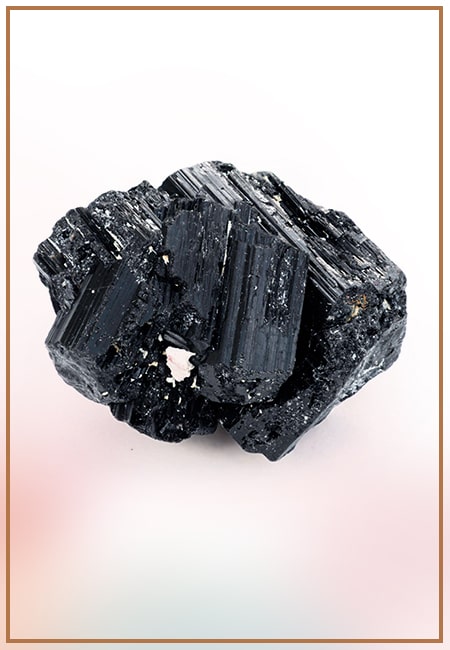
Black Tourmaline: Meaning, Healing Properties, Fascinating Facts, Powerful Attributes, Versatile Uses, and Beyond
September 05, 2023 / BY Team DWS
Black Tourmaline, also known as Schorl, is a highly revered crystal with incredible metaphysical properties. It derives its name from the Dutch word "turamali," meaning "stone with ..
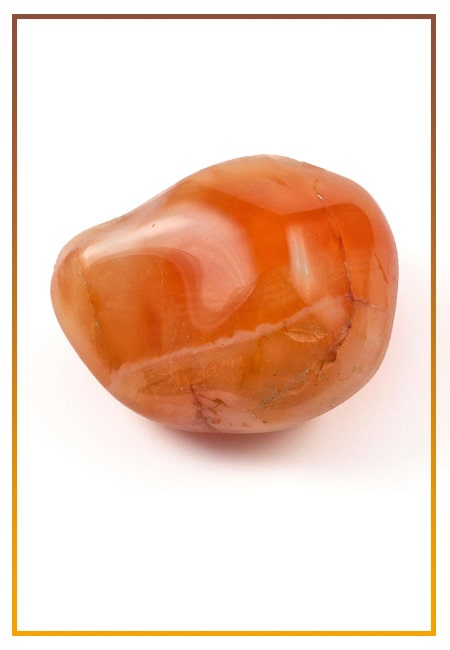
Carnelian Stone: Meaning, Healing Properties, Power, Facts, Color, Uses and More
December 26, 2023 / BY Team DWS
Carnelian is a vibrant and captivating gemstone that holds a plethora of meanings, healing properties, and powers. Its warm and fiery energy makes it a popular choice among crystal ..
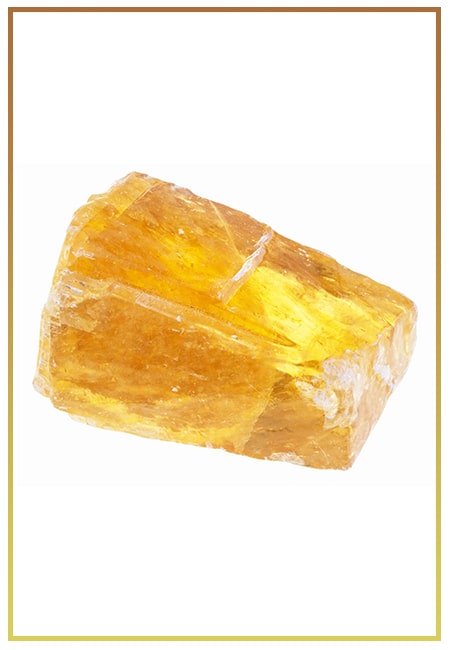
Citrine: Exploring its Meaning, Healing Properties, Fascinating Facts, Powers, Versatile Uses, and Much More
November 18, 2023 / BY Team DWS
Citrine, with its warm golden hues, has captured the attention and imagination of people for centuries. This beautiful gemstone, commonly associated with wealth and prosperity, hol ..
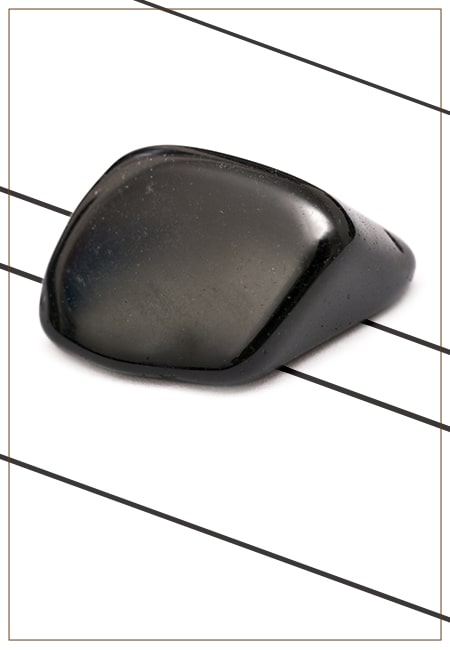
Black Onyx: Unveiling the Meaning, Healing Properties, Fascinating Facts, Powerful Attributes, Versatile Uses, and Beyond
July 25, 2023 / BY Team DWS
Black Onyx, a striking gemstone admired for its deep black hue and elegant appearance, has captivated people for centuries. In this comprehensive guide, we will delve into the mean ..
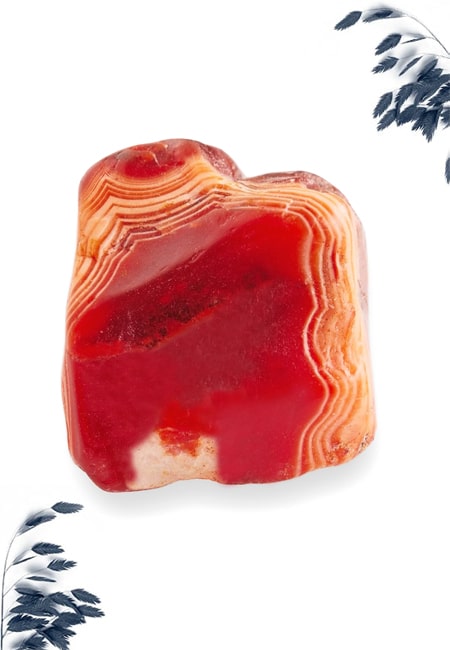
The History Behind The Popularity of Red Agate
December 23, 2022 / BY Team DWS
An Agate is a type of magma rock that takes many years till it is washed out naturally into the water. And that is the reason this stone has elements of water. This beautiful stone ..
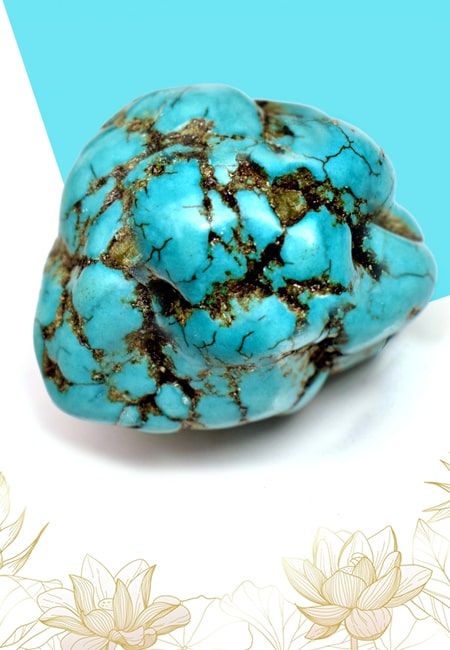
Unveiling the Mysteries of Turquoise Stone: Exploring its Meaning, Healing Properties, Power, Facts, Color, Uses, and More
December 05, 2023 / BY Team DWS
Turquoise, with its captivating blue-green hue, has been adorning jewelry and artifacts for centuries. This striking stone has a rich history, rich symbolism, and a plethora of int ..
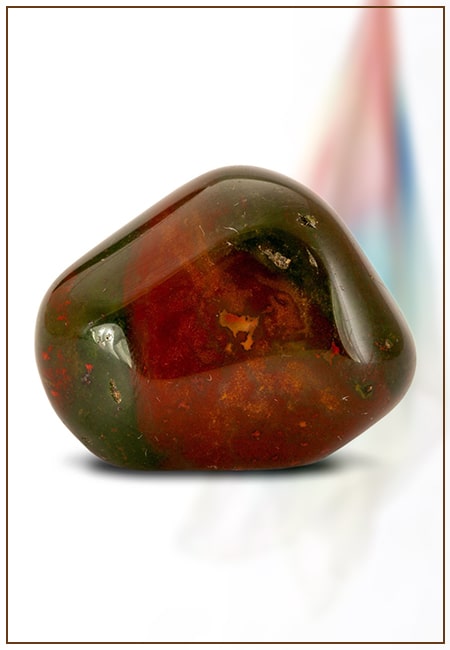
Bloodstone: Unveiling the Meaning, Healing Properties, Facts, Powers, Uses, and More
August 21, 2023 / BY Team DWS
Bloodstone, with its captivating deep green color with specks of red, is a mesmerizing gemstone that has fascinated civilizations for centuries. It possesses unique healing propert ..

Plan a Perfect Valentine's Week with Our Valentine Week List 2026
January 22, 2024 / BY Team DWS
Valentine's Day is undoubtedly the most romantic day of the year, but we believe that one day is just not enough to express your love and make your partner feel special. That's why ..