


- Written By Team DWS
- Festivals
- September 26, 2025
Celebrating Naraka Chaturdashi: Meaning, Myth, and Significance
Introduction
Naraka Chaturdashi, also popularly known as Chhoti Diwali, is a festival that radiates themes of light over darkness, good over evil, and renewal of hope. This lesser-celebrated, yet deeply spiritual day in the Hindu calendar is woven with myth, ritual, and regional traditions that mark a pivotal moment in the annual Diwali festivities. Observed one day before the grand celebration of Diwali, Naraka Chaturdashi is crucial for its message of purification, liberation, and restoration, enriching the universal joy found during this festive period.
In this in-depth exploration, discover the meaning, mythological roots, spiritual significance, and vibrant customs associated with Naraka Chaturdashi. Follow the journey of its mythology, understand the symbolism behind its rituals, and embrace its relevance in the lives of devotees across regions and generations.
638945063608540589.jpg "Happy Naraka Chaturdashi")
Meaning of Naraka Chaturdashi
At its core, Naraka Chaturdashi is the festival that commemorates the destruction of Narakasura—a powerful demon king—and the subsequent liberation of thousands from his tyranny, mainly celebrated for the victory of good over evil.
- Naraka refers to the demon Narakasura whose influence brought suffering, darkness, and ignorance to earth and the heavens.
- Chaturdashi denotes the fourteenth day of the lunar fortnight, known as Krishna Paksha, in the Hindu month of Kartika, typically falling in October or November.
This day is symbolic for:
- Purification: Cleansing of the mind, body, and soul through ritualistic bathing and prayers.
- Protection: Invoking divine blessings for protection from negative forces.
- Renewal: Beginning life afresh with hope, positivity, and spiritual empowerment.
________________________________________
Mythology and Legends of Naraka Chaturdashi
The Tale of Narakasura
The legends of Naraka Chaturdashi center around Narakasura, a powerful asura (demon king) known for his cruelty, vanity, and oppression. His reign was marked by the abduction of women, spread of terror, and the disturbance of cosmic order.
- Narakasura, empowered by boons, could not be destroyed by any male—only a woman had the ability to defeat him, as foretold in the myth.
- The gods, unable to subdue Narakasura's rampage, turned to Vishnu in his incarnation as Krishna.
The Battle: Krishna, Satyabhama, and the End of Tyranny
- Lord Krishna embarked on the battle against Narakasura, accompanied by his wife Satyabhama (an incarnation of Bhumi Devi, Mother Earth).
- Satyabhama played a crucial role, ultimately striking down Narakasura and bringing an end to his reign of terror.
- Krishna freed all those held captive, especially the 16,100 princesses whom Narakasura had imprisoned. This event is considered key to Naraka Chaturdashi's celebrations.
- In some regional traditions, Goddess Kali is also celebrated for her role in vanquishing evil on this day.
Symbolism in the Legend
- Victory of Good over Evil: The defeat of Narakasura symbolizes overcoming ignorance, negativity, and evil in every form.
- Empowerment of Women: Satyabhama's decisive role in the legend highlights the importance of feminine power in vanquishing evil.
- Dharma and Righteousness: Krishna and Satyabhama's actions remind devotees of the power of righteousness, courage, and justice.
________________________________________
Spiritual Significance
The spiritual essence of Naraka Chaturdashi is woven deeply into Hindu traditions:
- Cleansing and Purification: Early morning rituals—including the abhyanga snana (oil bath)—are believed to purify both body and spirit, erasing sins and dispelling negative influences from one’s life.
- Breaking Old Patterns: The darkness of Narakasura represents the inner evils faced by every individual—self-doubt, jealousy, anger, and ignorance. Celebrating Naraka Chaturdashi is a symbolic act of confronting and overcoming these aspects.
- Preparing for Renewal: As it precedes Diwali, the festival is seen as a preparatory period for the main celebrations. Families reflect on personal renewal and commit to living in the light, aligning with the positive spirit of Diwali.
________________________________________
Rituals and Observances Across Regions
Early Morning Oil Bath (Abhyanga Snana)
- The tradition of waking before sunrise for a ceremonial oil bath is nearly universal in Naraka Chaturdashi celebrations. This act is considered both purifying and auspicious.
- Ritual oils are massaged into the skin, often prepared from medicinal herbs to enhance physical and spiritual cleansing.
Lighting of Lamps and Diyas
- Devotees light lamps (diyas) in their homes and surroundings, symbolizing the removal of darkness and the ushering in of positivity.
- In certain regions, intricate rangoli patterns add vibrancy to doorways, welcoming divine blessings.
Worship and Prayers
- Puja (worship) is performed for Lord Krishna, Satyabhama, and sometimes Kali or Yamraj, invoking their protection and guidance.
- Special offerings of flowers, sandalwood, and sacred sweets are prepared.
Regional Variations
- Northern India: Naraka Chaturdashi, or Chhoti Diwali, is observed with fireworks, sweets, and rituals that merge with the Diwali festivities.
- Southern India: Here, Naraka Chaturdashi is sometimes the main day of Diwali. Ritualistic oil baths and unique prayers are central to the observance.
- Goa and Maharashtra: Effigies of Narakasura—often filled with firecrackers—are constructed and burnt, dramatizing the triumph of divine justice over evil.
- Bengal (Kali Chaudas): Special worship honoring Goddess Kali, who is believed to destroy the negative energies of Narakasura.
________________________________________
Foods and Festive Dishes
The culinary traditions of Naraka Chaturdashi mirror the joy and abundance of the festival:
- Special Sweetmeats: Prasads made from jaggery, sugar, ghee, rice flakes, and other fresh harvest ingredients.
- Savory Festive Foods: Regional specialties are prepared, often incorporating seasonal produce.
- Sharing and Unity: Exchanging sweets and dishes is seen as an act of spreading joy and reaffirming communal bonds.
________________________________________
Naraka Chaturdashi's Connection to Diwali
Naraka Chaturdashi acts as the threshold to the grand festival of Diwali, blending its themes into the larger celebration.
- Spiritual Preparation: Rituals on Naraka Chaturdashi lay the groundwork for the Diwali festivities—cleansing negativity and inviting light and blessings into the household.
- The Festival of Lights: Lighting diyas on Naraka Chaturdashi is a precursor to the main Diwali night, expanding the theme of “light conquers darkness”.
________________________________________
Naraka Chaturdashi in Modern Times
Environmental and Social Awareness
In recent years, many communities have sought environmentally conscious and inclusive ways to celebrate:
- Eco-friendly Practices: Reducing firecracker pollution and emphasizing rituals that honor nature and health.
- Inclusive Festivities: Encouraging participation across ages, backgrounds, and beliefs, making Naraka Chaturdashi a festival that transcends boundaries.
Reflection and Renewal
- Overcoming Personal Challenges: Naraka Chaturdashi serves as a reminder to address personal flaws, embrace growth, and begin afresh.
- Messages of Prosperity: Celebrants share well-wishes—health, peace, prosperity, and divine guidance—with friends and family.
________________________________________
Ethical and Symbolic Lessons
The festival teaches universal values relevant across cultures and times:
- Courage and Virtue: The myth of Krishna and Satyabhama underlines courage, determination, and virtue in facing adversity.
- Empowerment: The central role played by Satyabhama and—regionally—Kali, reflects the celebration of feminine strength.
- Value of Dharma: Naraka Chaturdashi reminds devotees of the importance of righteous action and the perpetual relevance of dharma.
________________________________________
FAQs: Naraka Chaturdashi
What is Naraka Chaturdashi?
Naraka Chaturdashi is a Hindu festival celebrated for the defeat of the demon Narakasura and the liberation of his captives, symbolizing good’s victory over evil.
When is Naraka Chaturdashi celebrated?
It falls on the fourteenth day (Chaturdashi) of the waning moon in Kartika month, usually one day before Diwali.
What rituals are performed?
Oil baths, lighting lamps, elaborate pujas, sharing sweets, and in some regions, burning effigies of Narakasura.
What does the festival symbolize?
Triumph of righteousness, empowerment, purification, and the promise of fresh beginnings.
638945069118909744.jpg "Silver Jewelry Factory in Jaipur")
Conclusion: The Enduring Relevance of Naraka Chaturdashi
Naraka Chaturdashi stands as a powerful celebration of myth, meaning, and renewal. Its rituals offer an opportunity for cleansing and reflection, while its legends inspire courage and virtue in the face of adversity. The festival’s enduring popularity is rooted in its universal themes—triumph of light over darkness, righteousness over evil, and hope over despair.
As families gather to perform sacred rituals, light lamps, and share festive meals, Naraka Chaturdashi bridges ancient tradition and modern awareness, enriching the Diwali season with its profound lessons and joy. Wherever it is celebrated, the day echoes through time as a reminder of the constant battle between darkness and the awakening of inner light.
Popular on Blogs
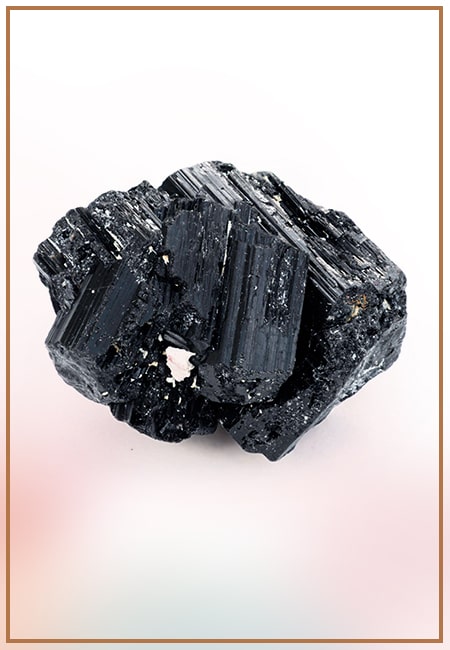
Black Tourmaline: Meaning, Healing Properties, Fascinating Facts, Powerful Attributes, Versatile Uses, and Beyond
September 05, 2023 / BY Team DWS
Black Tourmaline, also known as Schorl, is a highly revered crystal with incredible metaphysical properties. It derives its name from the Dutch word "turamali," meaning "stone with ..
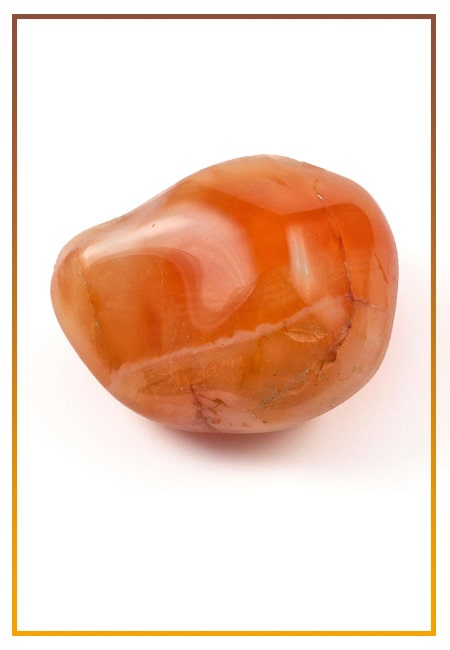
Carnelian Stone: Meaning, Healing Properties, Power, Facts, Color, Uses and More
December 26, 2023 / BY Team DWS
Carnelian is a vibrant and captivating gemstone that holds a plethora of meanings, healing properties, and powers. Its warm and fiery energy makes it a popular choice among crystal ..
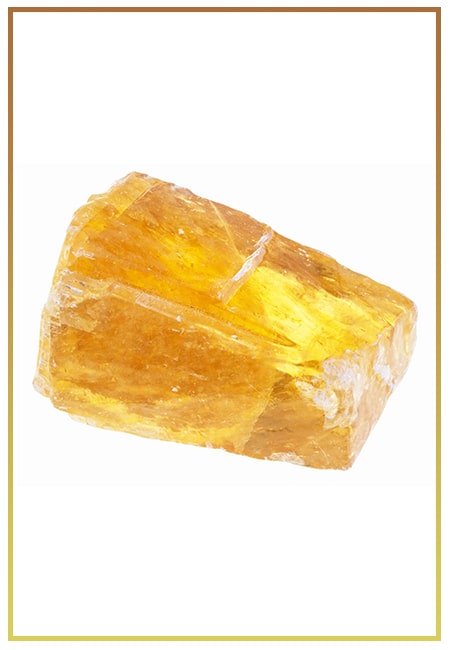
Citrine: Exploring its Meaning, Healing Properties, Fascinating Facts, Powers, Versatile Uses, and Much More
November 18, 2023 / BY Team DWS
Citrine, with its warm golden hues, has captured the attention and imagination of people for centuries. This beautiful gemstone, commonly associated with wealth and prosperity, hol ..

Black Onyx: Unveiling the Meaning, Healing Properties, Fascinating Facts, Powerful Attributes, Versatile Uses, and Beyond
July 25, 2023 / BY Team DWS
Black Onyx, a striking gemstone admired for its deep black hue and elegant appearance, has captivated people for centuries. In this comprehensive guide, we will delve into the mean ..
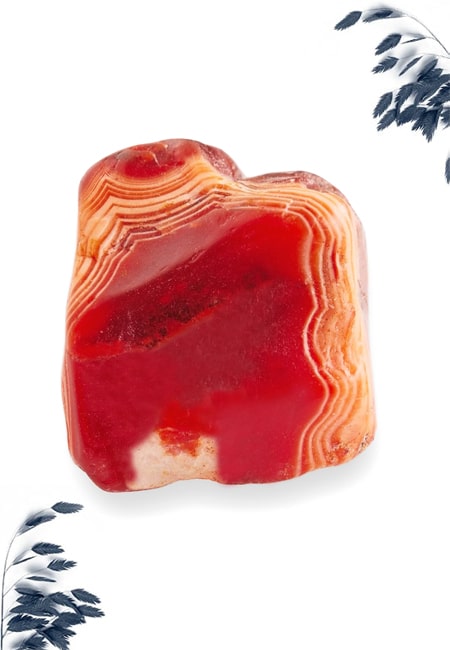
The History Behind The Popularity of Red Agate
December 23, 2022 / BY Team DWS
An Agate is a type of magma rock that takes many years till it is washed out naturally into the water. And that is the reason this stone has elements of water. This beautiful stone ..
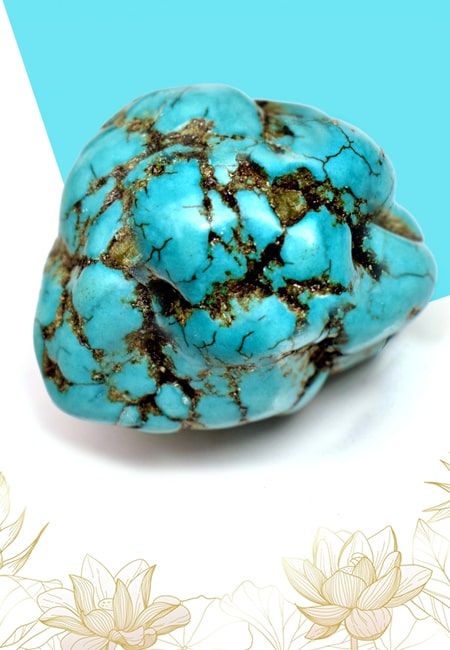
Unveiling the Mysteries of Turquoise Stone: Exploring its Meaning, Healing Properties, Power, Facts, Color, Uses, and More
December 05, 2023 / BY Team DWS
Turquoise, with its captivating blue-green hue, has been adorning jewelry and artifacts for centuries. This striking stone has a rich history, rich symbolism, and a plethora of int ..

Plan a Perfect Valentine's Week with Our Valentine Week List 2026
January 22, 2024 / BY Team DWS
Valentine's Day is undoubtedly the most romantic day of the year, but we believe that one day is just not enough to express your love and make your partner feel special. That's why ..
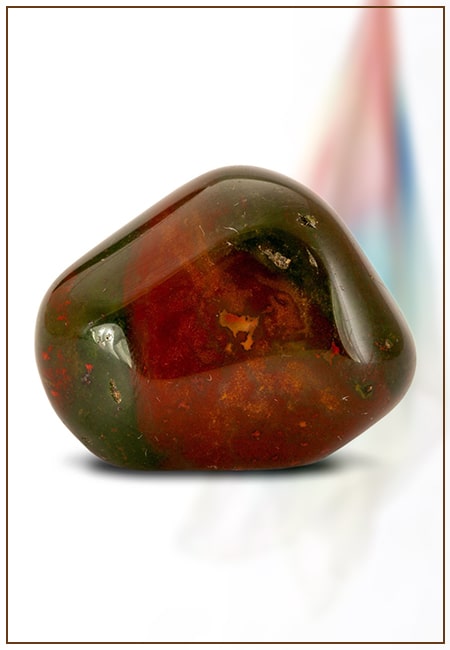
Bloodstone: Unveiling the Meaning, Healing Properties, Facts, Powers, Uses, and More
August 21, 2023 / BY Team DWS
Bloodstone, with its captivating deep green color with specks of red, is a mesmerizing gemstone that has fascinated civilizations for centuries. It possesses unique healing propert ..