


- Written By Team DWS
- Gemstones
- January 06, 2026
How Many Gemstones Are There in the World? A Beginner's Guide
When we think of gemstones, we often picture diamonds, rubies, and emeralds — the classics that dominate jewelry stores and royal collections. But the truth is far more fascinating and complex. The world contains thousands of mineral species, yet only a tiny fraction qualify as gemstones. Understanding the incredible diversity of gemstones available on our planet can deepen your appreciation for jewelry, inform your purchasing decisions, and perhaps inspire you to explore beyond traditional choices. This beginner's guide unveils the remarkable world of gemstones, revealing how many truly exist and what makes certain minerals rise to gem status.
The Definition: What Makes a Stone a Gemstone?
Before we can count how many gemstones exist, we must first understand what qualifies as a gemstone. A gemstone isn't simply any beautiful mineral — it must meet specific criteria that combine beauty, durability, and rarity. These three pillars form the foundation of gemstone classification and help jewelers and collectors determine value and desirability.
Beauty is the first criterion, encompassing color, clarity, and luster. A gemstone should possess an appealing appearance that draws the eye and maintains its visual appeal over time. This is why colorless stones like diamonds and vibrant stones like sapphires command attention in any jewelry collection. The aesthetic quality must be significant enough to justify cutting and polishing the stone into a finished gem.
Durability is equally critical, as gemstones must withstand daily wear and the test of time. This is measured using the Mohs Hardness Scale, which rates minerals from 1 (softest) to 10 (hardest). Diamonds rank at 10, while softer stones like opal may rate between 5 and 6. For jewelry intended for rings and bracelets, durability becomes paramount — a stone that scratches easily or fractures under pressure won't retain its beauty or value. This is why diamonds, sapphires, and rubies dominate engagement ring markets; their hardness ensures they remain brilliant for generations.
Rarity completes the triad. A gemstone must be scarce enough to command value in the marketplace. If a mineral were as common as quartz found in every garden, it would lose its gem status regardless of beauty. The scarcity principle applies whether we're discussing precious gemstones like emeralds or semi-precious stones like tanzanite. When a gemstone becomes too abundant, its value decreases accordingly, as we've seen with certain lab-created gems flooding the market.
639033021804186973.jpg "What Makes a Stone a Gemstone?")
The Numbers: How Many Gemstones Actually Exist?
Here's where the answer becomes surprisingly modest. While Earth contains approximately 5,000 known mineral species, only between 80 and 150 minerals are regularly used as gemstones in the jewelry industry. This dramatic difference reveals an important truth: the vast majority of minerals never achieve gem status, either due to insufficient hardness, lack of visual appeal, extreme rarity making them impractical for jewelry, or simple market indifference.
The Gemological Institute of America (GIA) and other leading gemstone authorities recognize approximately 200 gemstone species when including rare and collector-grade stones. However, the commercially available and widely recognized gemstones number significantly lower — typically around 30 to 50 varieties that dominate global jewelry markets. These include diamonds, sapphires, rubies, emeralds, pearls, tanzanite, tourmaline, and topaz, among others.
This numerical reality underscores an important concept in the gemstone world: rarity and commercial viability don't always align. A mineral might be extraordinarily rare yet possess insufficient durability for jewelry use. Conversely, a relatively abundant mineral might become a beloved gemstone if it combines beauty, durability, and affordability — as with amethyst, a purple variety of quartz found abundantly worldwide yet treasured by collectors and jewelry enthusiasts.
 copy-dws639033067052275750.jpg "How Many Gemstones Exist?")
The Classification: Precious vs. Semi-Precious
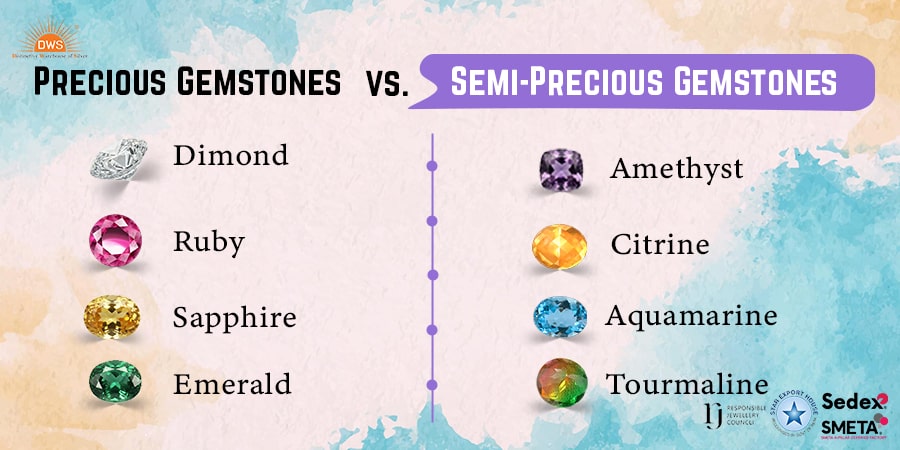
Traditionally, gemstones were divided into two categories: precious and semi-precious — a distinction that has evolved significantly in modern gemology. This classification once suggested that precious stones (diamonds, rubies, sapphires, and emeralds) held greater value and prestige than all others. However, modern gemologists recognize that this distinction can be misleading, as some semi-precious stones command extraordinary prices while certain precious stones sell affordably.
Precious gemstones historically referred to the "Big Four": diamonds, rubies, sapphires, and emeralds. These stones combine exceptional beauty, remarkable durability, and global recognition. A flawless ruby or emerald of significant size can easily exceed diamond prices per carat, demonstrating that the precious/semi-precious divide doesn't perfectly correlate with value.
Semi-precious gemstones encompass hundreds of varieties, from commonly available stones like amethyst and citrine to rarer gems like tanzanite and opal. Many semi-precious stones offer stunning beauty and adequate durability at more accessible price points, making them perfect for everyday jewelry and collections. The term "semi-precious" has largely fallen out of favor among gemologists, who now prefer simply calling them "colored gemstones" or "gemstone varieties."
Major Gemstone Families and Their Varieties
To better understand gemstone diversity, it helps to organize them by mineral family. Many seemingly different gemstones actually belong to the same mineral species but display different colors due to trace elements and formation conditions.
The Corundum Family includes both rubies and sapphires — a fact that surprises many beginners. Ruby is red corundum, while sapphire encompasses all other corundum colors: blue, pink, yellow, orange, and colorless. This single mineral species produces gemstones ranging dramatically in value based on color and quality. A fine ruby can cost ten times more than a blue sapphire of equal size and quality.
The Beryl Family brings us emeralds, aquamarines, heliodor, and morganite. Emerald's green hue comes from chromium and vanadium impurities, while aquamarine's blue derives from iron. The same mineral base produces these strikingly different gems, highlighting how elemental composition transforms appearance and value.
The Quartz Family is perhaps Earth's most abundant gemstone category, including amethyst (purple quartz), citrine (yellow quartz), rose quartz (pink quartz), and smoky quartz (brown quartz). Quartz's prevalence makes it economically important, with millions of carats mined annually for jewelry, industrial applications, and collectors worldwide.
The Feldspar Family contributes several gemstone varieties, including moonstone, labradorite, and sunstone. These feldspars display beautiful optical effects — particularly the adularescence (milky glow) of moonstone — making them beloved by jewelry designers and spiritual crystal enthusiasts.
Beyond these major families exist dozens of smaller mineral groups, each contributing rare and beautiful gemstones: tourmaline (multicolored variety), topaz (various colors), garnet (red but also green, orange, and other colors), and spinel (ruby-like appearance but different mineral structure).
The Rarest Gemstones: Beyond Mainstream Markets
While diamonds, sapphires, and emeralds dominate the gemstone world commercially, rarest gemstones exist in quantities so limited that they appeal primarily to serious collectors and museums. These ultra-rare stones often command astronomical prices per carat and rarely appear in traditional jewelry stores.
Taaffeite ranks among Earth's rarest gemstones, discovered in 1945 with only a handful of specimens known to exist. This pale violet to violet-pink stone remains so scarce that most gemologists have never seen one in person. When taaffeite does appear for sale, prices can exceed those of diamonds and fine rubies per carat.
Painite was once considered the rarest mineral in existence, known from only two specimens for decades. Recent discoveries in Myanmar have increased known painite specimens to several hundred, yet it remains extraordinarily rare with exquisite orange-red color and exceptional hardness suitable for jewelry.
Musgravite and red beryl represent other extreme rarities that appeal to dedicated collectors but remain virtually unknown to mainstream jewelry buyers. These gemstones embody the frontier of gemstone knowledge, where geological discovery still yields surprises about Earth's hidden treasures.
Gemstones and Astrology: A Different Counting System
For those interested in gemstone selection through an astrological lens, the counting system differs significantly from geological classifications. Vedic astrology recognizes nine primary gemstones corresponding to the nine celestial bodies: the Sun, Moon, Mars, Mercury, Jupiter, Venus, Saturn, Rahu, and Ketu. These include ruby (Sun), red coral (Mars), pearl (Moon), emerald (Mercury), diamond (Venus), yellow sapphire (Jupiter), blue sapphire (Saturn), and two nodes represented by gomedhaka and cat's eye.
This astrological framework provides a practical gemstone selection system for those seeking planetary alignment and energy balance through jewelry. Unlike the geological approach that categorizes hundreds of gemstone varieties, Vedic astrology distills gemstone selection into nine powerful choices, each carrying distinct significance and benefits.
Creating Your Gemstone Collection: A Beginner's Approach
For those beginning to explore gemstones, understanding this vast diversity can feel overwhelming. A practical approach involves starting with gemstones that combine affordability, durability, and availability. Amethyst, citrine, and smoky quartz offer beautiful variety at accessible prices, making them perfect gateway gemstones. These minerals teach you about color variations, quality assessment, and the joy of collecting.
As your knowledge grows, you might explore semi-precious gemstones like garnet, tourmaline, or topaz — each offering unique colors, properties, and stories. Eventually, you may venture into finer gemstones like aquamarine or tanzanite, or perhaps save toward a precious stone like ruby or sapphire.
The beauty of gemstone collecting lies not in acquiring expensive pieces but in discovering stones that resonate with you personally — whether chosen for aesthetic appeal, astrological significance, or the fascinating geological stories locked within each mineral crystal.
Conclusion: A World of Sparkle Awaits
So how many gemstones are there in the world? Technically, approximately 5,000 mineral species exist on Earth, yet only 80 to 150 regularly qualify as gemstones for jewelry use, with perhaps 200 more recognized by gemological experts for specialized collecting. This seemingly small number belies the remarkable diversity available — from common amethyst found in Brazilian caves to impossibly rare taaffeite known from only a handful of specimens.
Whether you're drawn to gemstones for their geological wonder, their beauty and brilliance, their investment potential, or their spiritual significance, the world's gemstones offer something for every taste and budget. Each stone carries the story of Earth's geological processes, shaped over millions of years and hidden in the planet's depths until human discovery. Understanding how many gemstones exist enriches your appreciation for these natural treasures and helps you make informed, intentional choices when selecting gemstones for your collection or jewelry.
The next time you admire a gemstone, remember: you're looking at one of Earth's most selective gems — a mineral that has passed nature's rigorous test of beauty, durability, and rarity to earn its place among the world's precious stones.
Popular on Blogs
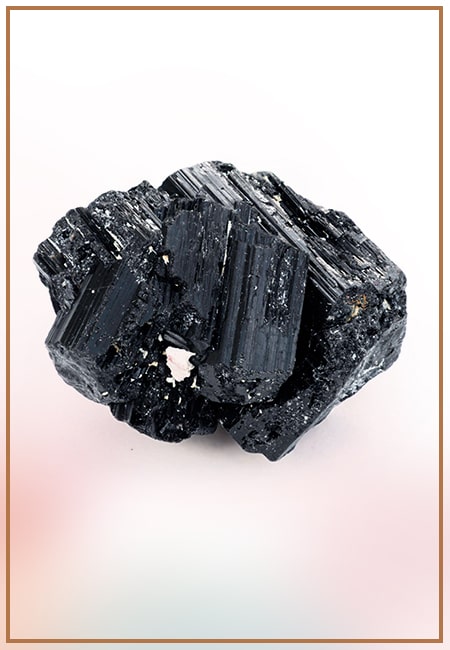
Black Tourmaline: Meaning, Healing Properties, Fascinating Facts, Powerful Attributes, Versatile Uses, and Beyond
September 05, 2023 / BY Team DWS
Black Tourmaline, also known as Schorl, is a highly revered crystal with incredible metaphysical properties. It derives its name from the Dutch word "turamali," meaning "stone with ..
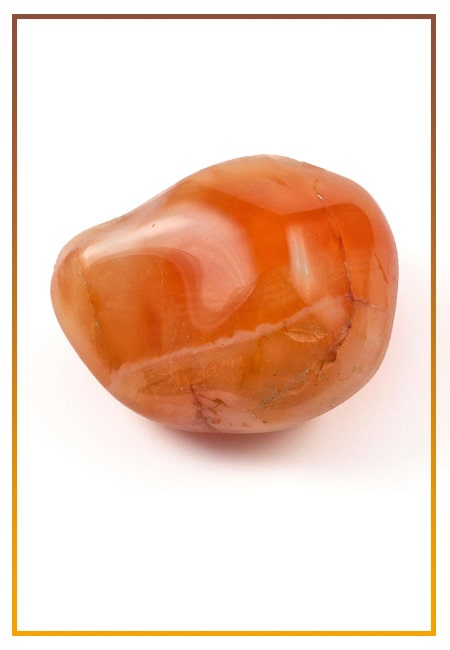
Carnelian Stone: Meaning, Healing Properties, Power, Facts, Color, Uses and More
December 26, 2023 / BY Team DWS
Carnelian is a vibrant and captivating gemstone that holds a plethora of meanings, healing properties, and powers. Its warm and fiery energy makes it a popular choice among crystal ..
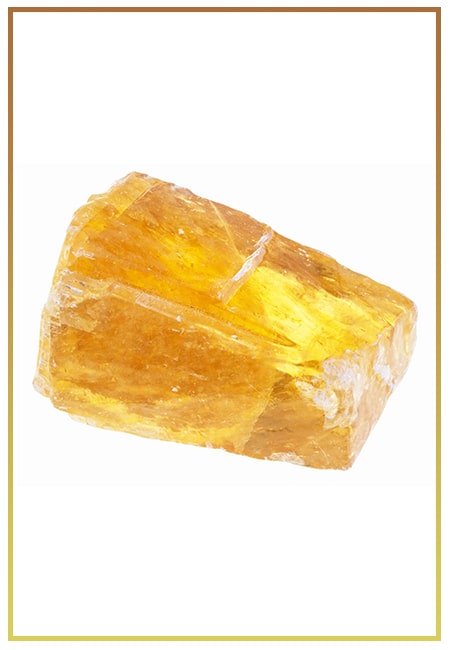
Citrine: Exploring its Meaning, Healing Properties, Fascinating Facts, Powers, Versatile Uses, and Much More
November 18, 2023 / BY Team DWS
Citrine, with its warm golden hues, has captured the attention and imagination of people for centuries. This beautiful gemstone, commonly associated with wealth and prosperity, hol ..
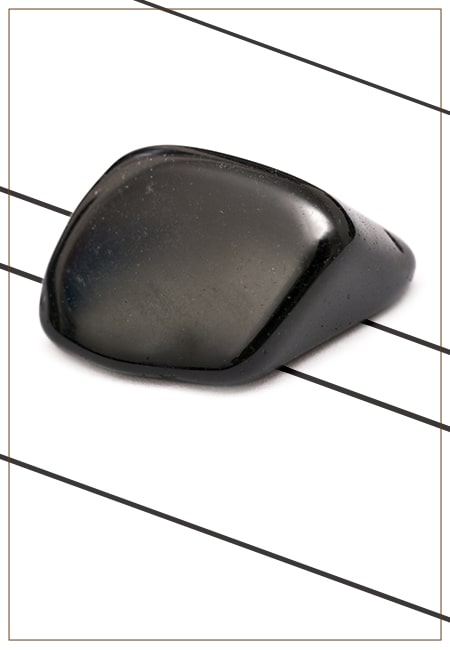
Black Onyx: Unveiling the Meaning, Healing Properties, Fascinating Facts, Powerful Attributes, Versatile Uses, and Beyond
July 25, 2023 / BY Team DWS
Black Onyx, a striking gemstone admired for its deep black hue and elegant appearance, has captivated people for centuries. In this comprehensive guide, we will delve into the mean ..
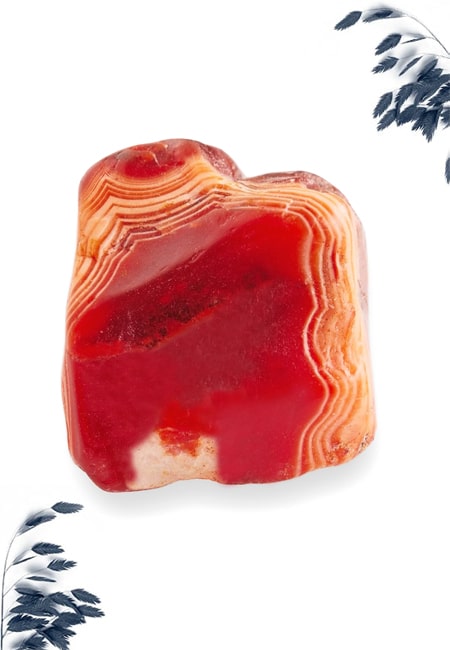
The History Behind The Popularity of Red Agate
December 23, 2022 / BY Team DWS
An Agate is a type of magma rock that takes many years till it is washed out naturally into the water. And that is the reason this stone has elements of water. This beautiful stone ..
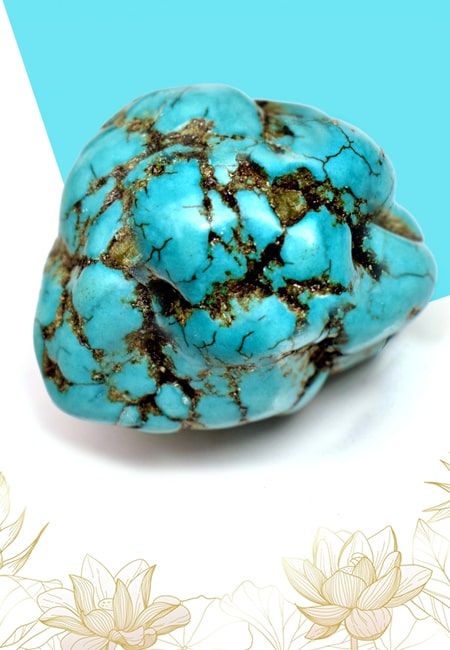
Unveiling the Mysteries of Turquoise Stone: Exploring its Meaning, Healing Properties, Power, Facts, Color, Uses, and More
December 05, 2023 / BY Team DWS
Turquoise, with its captivating blue-green hue, has been adorning jewelry and artifacts for centuries. This striking stone has a rich history, rich symbolism, and a plethora of int ..

Plan a Perfect Valentine's Week with Our Valentine Week List 2026
January 22, 2024 / BY Team DWS
Valentine's Day is undoubtedly the most romantic day of the year, but we believe that one day is just not enough to express your love and make your partner feel special. That's why ..
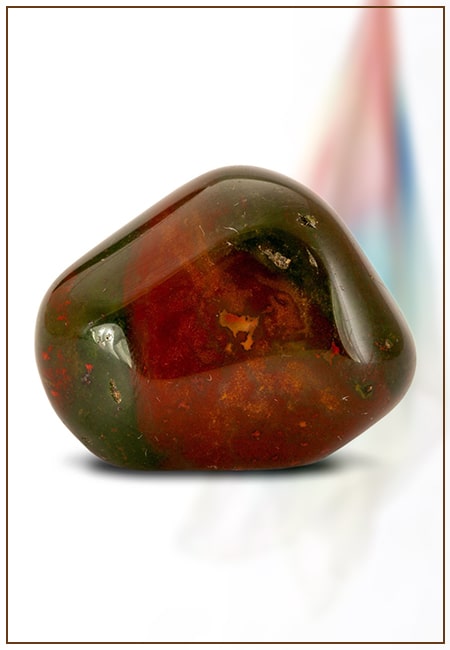
Bloodstone: Unveiling the Meaning, Healing Properties, Facts, Powers, Uses, and More
August 21, 2023 / BY Team DWS
Bloodstone, with its captivating deep green color with specks of red, is a mesmerizing gemstone that has fascinated civilizations for centuries. It possesses unique healing propert ..