


- Written By Team DWS
- Jaipur City
- December 17, 2025
City Palace Jaipur: A Royal Walk Through Pink City History
Stepping into Jaipur’s royal heart
The moment the gates of City Palace rise before a visitor, the chaos of Jaipur’s traffic fades into the background and the city’s royal past comes sharply into focus. Warm sandstone walls, painted arches and uniformed guards create the feeling of walking into a living palace rather than a static monument. For centuries this complex has anchored the life of the Pink City, and even today it remains both a home for the former royal family and a showcase of their legacy.
This post invites the reader on a “royal walk” through the palace: from its grand gateways and courtyards to museums, shrines and quiet corners that still whisper stories of processions, festivals and courtly intrigue. The narrative combines orientation and atmosphere so that someone planning a trip can both follow the route and imagine the textures, colours and sounds of each stop.
 copy-dws639015918290005166.JPG "The City Palace Jaipur")
How a new capital and its palace were born
To understand why the City Palace feels like the axis of Jaipur, start with the city’s origins. The old capital in the nearby hills had become cramped and strategically vulnerable, so the ruling maharaja decided to create a new, planned city on the plains. Instead of letting streets grow organically, the new capital was laid out as a grid of wide avenues, each flanked by high walls and punctuated by monumental gates.
At the very heart of this plan sat the City Palace. It was conceived not just as a royal residence but as a statement of power, prosperity and enlightened rule. Administrative quarters, ceremonial halls, inner residential spaces and sacred shrines were woven into a single complex, ensuring that governance, ritual and daily life all revolved around the same centre. When you stand in the main courtyard and look outward, you are standing at the literal and symbolic core of the Pink City.
The palace’s design reflects the blend of traditions shaping the new capital. Regional Rajput architecture, with its domed pavilions, scalloped arches and projecting balconies, merges with ideas influenced by other courts. Symmetry, balance and open courtyards let light and breeze move through the complex, which was crucial in Rajasthan’s heat. As you walk through, each turn reveals a slightly different interpretation of this fusion.
________________________________________
Architecture that paints history in stone
A walk through City Palace is like moving through a sequence of stage sets, each framed by an imposing gateway. The outer walls are simple and defensive, but once inside, the details become richer: painted floral patterns around doorways, carved stone lattice windows that screen the interiors, and courtyards that open suddenly out of narrow passageways.
Colour plays a huge role in the palace’s atmosphere. Jaipur is called the Pink City because many of its buildings are coloured with pinkish lime wash, and the palace participates in this scheme while also adding its own palette. Warm terracotta walls contrast with white marble columns and pale stone floors; painted doors burst with turquoise, green and gold; and some ceilings surprise with mirror work that turns a single candle or beam of sunlight into a constellation.
From an architectural point of view, the palace can roughly be imagined in layers. The first layer contains public and semi public spaces, where courtiers, petitioners and guests once gathered. Here the scale is monumental: large courtyards surrounded by arcades, audience halls and processional routes. Deeper inside lie more intimate courtyards and residential wings, with smaller doors and windows, shaded verandas and enclosed balconies where members of the royal family could watch events without being seen. At the deepest layer are shrines and private spaces where only a handful of trusted attendants were allowed.
________________________________________
A royal walk: following the courtyards
Begin your walk at the main gate, where the buzz of the city is still loud and rickshaws and cars jostle outside the walls. Passing through the arch is like crossing a sound barrier: the honking softens, replaced by echoing footsteps and the low murmur of guides. Guards in bright turbans stand near the ticket counters, and above them the facade rises with painted window frames and delicate balconies.
The first courtyard you enter often feels the busiest. Touring groups cluster around their leaders, photographers angle for shots of the gateway, and families pause to apply sunscreen or adjust scarves. It is worth taking a moment simply to look up. On higher levels you may notice jharokha balconies with carved brackets, or small niches holding faded paintings that most visitors walk straight past. This blending of the monumental and the minute characterises much of the palace.
From here, follow the flow of visitors into a second courtyard, slightly quieter and more enclosed. Halls open off the sides, housing museum collections that offer glimpses into royal life. Displays of textiles might show shimmering robes, turbans embroidered with gold thread, and delicate shawls that once brushed along the same stone floors you are walking. Another room may present armour, swords and shields, some ceremonial, others bearing nicks and dents that hint at real battles.
As you move from room to room, try to imagine the palace when these objects were still in use. An audience hall filled with courtiers in colourful attire; a balcony crowded with musicians; decorated elephants waiting in the courtyard below; the maharaja making a formal appearance in full regalia during a festival. The architecture was designed to frame such spectacles, and even in its quieter, museum like state, the building retains a sense of theatre.
Continue deeper and the spaces often grow calmer. Smaller courtyards may have potted plants, benches and stretches of open shade. These are good places to pause and let the palace settle around you. In one corner you might find a shrine with the faint scent of incense, in another a doorway painted so meticulously that it could be a work of art by itself. Look for patterns: repeated floral motifs, geometric borders, or symbols associated with particular deities or royal insignia. Each motif tells you something about the values and aspirations of the artisans and patrons who created them.
________________________________________
Stories, symbolism and hidden details
Beyond its visual splendour, City Palace is thick with stories. Some are recorded history—coronations, diplomatic receptions, military victories celebrated with grand processions through the gates. Others belong more to the realm of legend: tales of astrologers advising the king, queens watching from hidden balconies, or priceless jewels stored in secret chambers. When crafting your blog post, sprinkling a few such anecdotes, even in brief, helps readers feel the palace as a living backdrop rather than a museum shell.
Symbolism also runs through the complex. Gates aligned with cardinal directions echo ideas about cosmic order; repeated use of certain animals—like elephants, peacocks or lions—refer to strength, beauty or royal authority. Water channels or courtyards designed for monsoon celebrations remind visitors that the palace was tuned to the rhythm of seasons and festivals. When you describe these elements, link them to the palace’s broader role as a stage for both governance and ritual, where architecture reinforced the ruler’s connection to divine and earthly power.
One of the most rewarding ways to experience the palace is to focus on details other people rush past. The tiny faces and flowers in a fresco around a doorway; a worn step where thousands of feet have climbed; iron rings set into walls that once secured canopies or lamps. Encourage readers to slow down, look closely and perhaps even sketch or note a motif that catches their eye. These intimate encounters can become the most memorable parts of a visit.
________________________________________
Practical guide for your own royal walk
After immersing readers in history and atmosphere, guide them on planning their own walk through the palace. Suggest visiting early in the morning or towards late afternoon to avoid harsh heat and crowds, and to capture better photographs of painted gateways and courtyards glowing in slanting light. Recommending comfortable shoes is important, as the complex involves plenty of walking on stone floors and stairways.
Advise modest, breathable clothing suitable for both the climate and the cultural setting. A light scarf or shawl serves multiple purposes: protection from the sun, a cover up for shrines and a prop for photos. Remind visitors to carry water, but to be mindful of litter and to use designated bins to help conserve this heritage site.
Because City Palace is part museum and part living royal complex, visitors will encounter rules about where photography is allowed, which areas are restricted and how to behave in more sacred or ceremonial spaces. Encourage respect for these guidelines; they protect both fragile artworks and the privacy of people who still use parts of the palace. Suggest allowing at least two to three hours for a visit, more if someone enjoys lingering over museum collections or sketching architectural details.
For those building a wider Jaipur itinerary, position the City Palace as a natural anchor for exploring nearby sites in the historic centre. The surrounding streets offer markets, temples and other landmarks, making it easy to combine a palace visit with a full day in the old city.
 copy-dws639015918060781027.jpg "Silver Jewellery Factory in Jaipur")
Walking out of history
As your narrative draws to a close, return the reader to the palace gate. After tracing courtyards, museums and shaded verandas, stepping back into the noise of the modern Pink City can feel almost disorienting. Honking scooters, street vendors and bright shop signs rush in, while the memory of quiet stone courtyards remains vivid.
Encourage readers to reflect on how the City Palace compresses so many layers of Jaipur’s story into a single visit: the ambition of its founders, the artistry of generations of craftspeople, the rituals and spectacles that once filled its halls, and the contemporary efforts to preserve it. A final paragraph can invite them to think of their own walk through the palace as one more layer in that ongoing story—another set of footsteps on stone that has felt centuries of royal processions and everyday routines alike.
Popular on Blogs
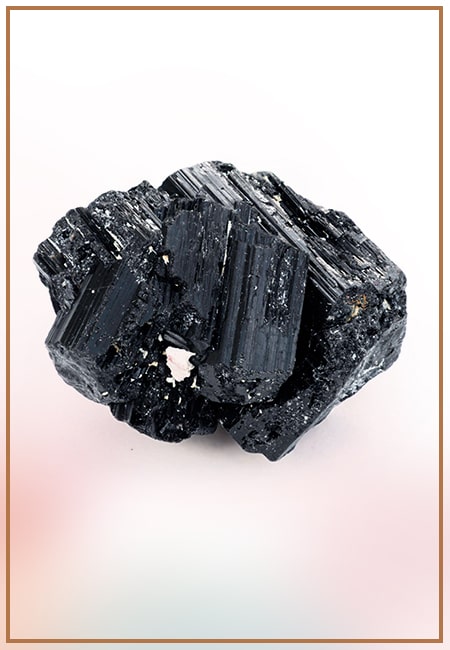
Black Tourmaline: Meaning, Healing Properties, Fascinating Facts, Powerful Attributes, Versatile Uses, and Beyond
September 05, 2023 / BY Team DWS
Black Tourmaline, also known as Schorl, is a highly revered crystal with incredible metaphysical properties. It derives its name from the Dutch word "turamali," meaning "stone with ..
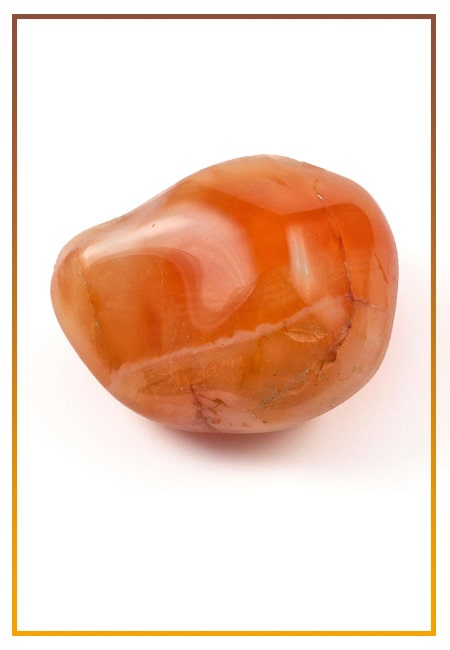
Carnelian Stone: Meaning, Healing Properties, Power, Facts, Color, Uses and More
December 26, 2023 / BY Team DWS
Carnelian is a vibrant and captivating gemstone that holds a plethora of meanings, healing properties, and powers. Its warm and fiery energy makes it a popular choice among crystal ..
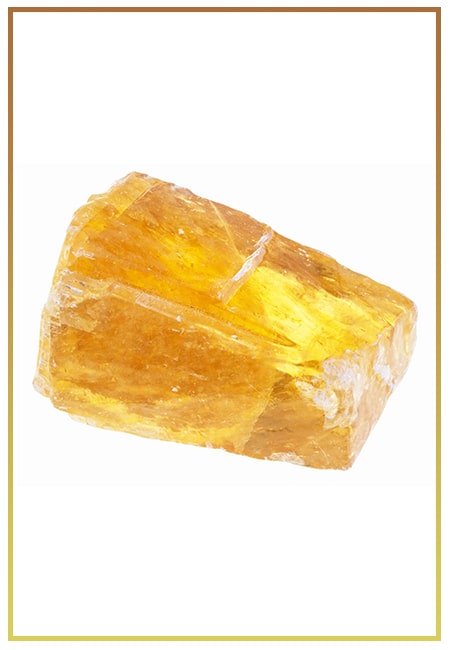
Citrine: Exploring its Meaning, Healing Properties, Fascinating Facts, Powers, Versatile Uses, and Much More
November 18, 2023 / BY Team DWS
Citrine, with its warm golden hues, has captured the attention and imagination of people for centuries. This beautiful gemstone, commonly associated with wealth and prosperity, hol ..

Black Onyx: Unveiling the Meaning, Healing Properties, Fascinating Facts, Powerful Attributes, Versatile Uses, and Beyond
July 25, 2023 / BY Team DWS
Black Onyx, a striking gemstone admired for its deep black hue and elegant appearance, has captivated people for centuries. In this comprehensive guide, we will delve into the mean ..
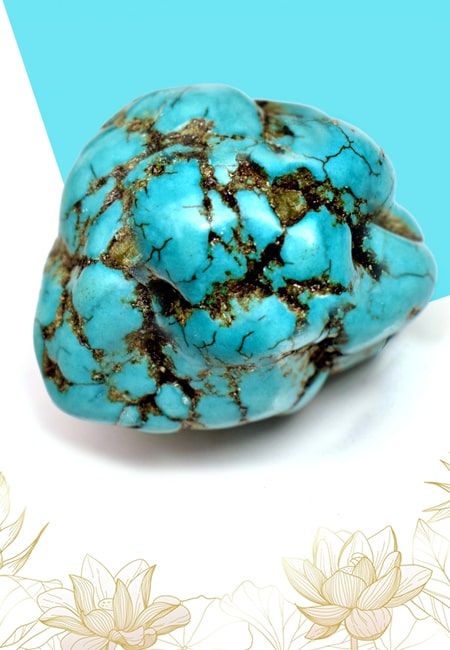
Unveiling the Mysteries of Turquoise Stone: Exploring its Meaning, Healing Properties, Power, Facts, Color, Uses, and More
December 05, 2023 / BY Team DWS
Turquoise, with its captivating blue-green hue, has been adorning jewelry and artifacts for centuries. This striking stone has a rich history, rich symbolism, and a plethora of int ..
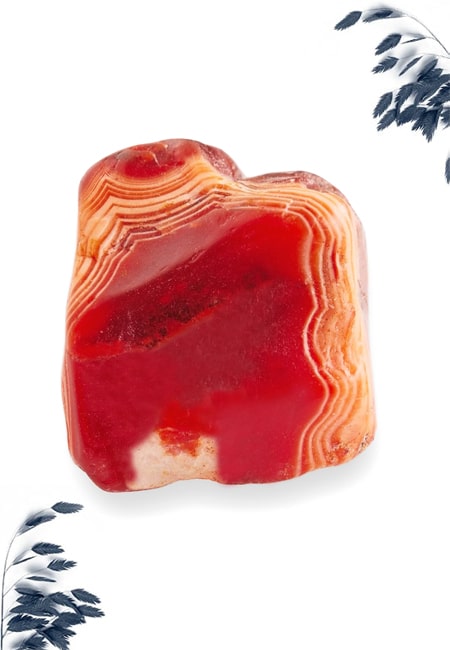
The History Behind The Popularity of Red Agate
December 23, 2022 / BY Team DWS
An Agate is a type of magma rock that takes many years till it is washed out naturally into the water. And that is the reason this stone has elements of water. This beautiful stone ..
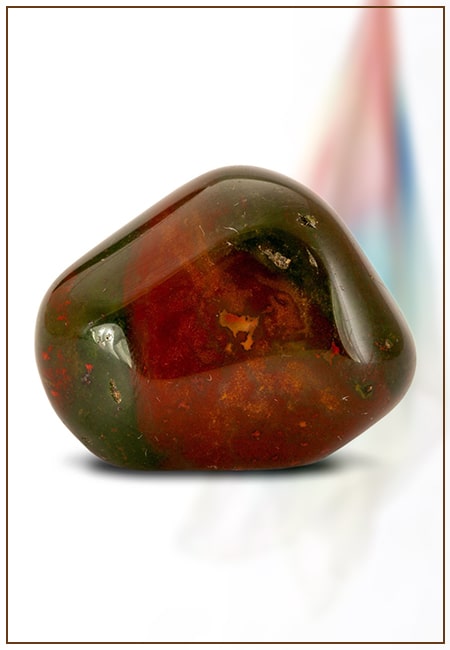
Bloodstone: Unveiling the Meaning, Healing Properties, Facts, Powers, Uses, and More
August 21, 2023 / BY Team DWS
Bloodstone, with its captivating deep green color with specks of red, is a mesmerizing gemstone that has fascinated civilizations for centuries. It possesses unique healing propert ..

Plan a Perfect Valentine's Week with Our Valentine Week List 2025
January 22, 2024 / BY Team DWS
Valentine's Day is undoubtedly the most romantic day of the year, but we believe that one day is just not enough to express your love and make your partner feel special. That's why ..